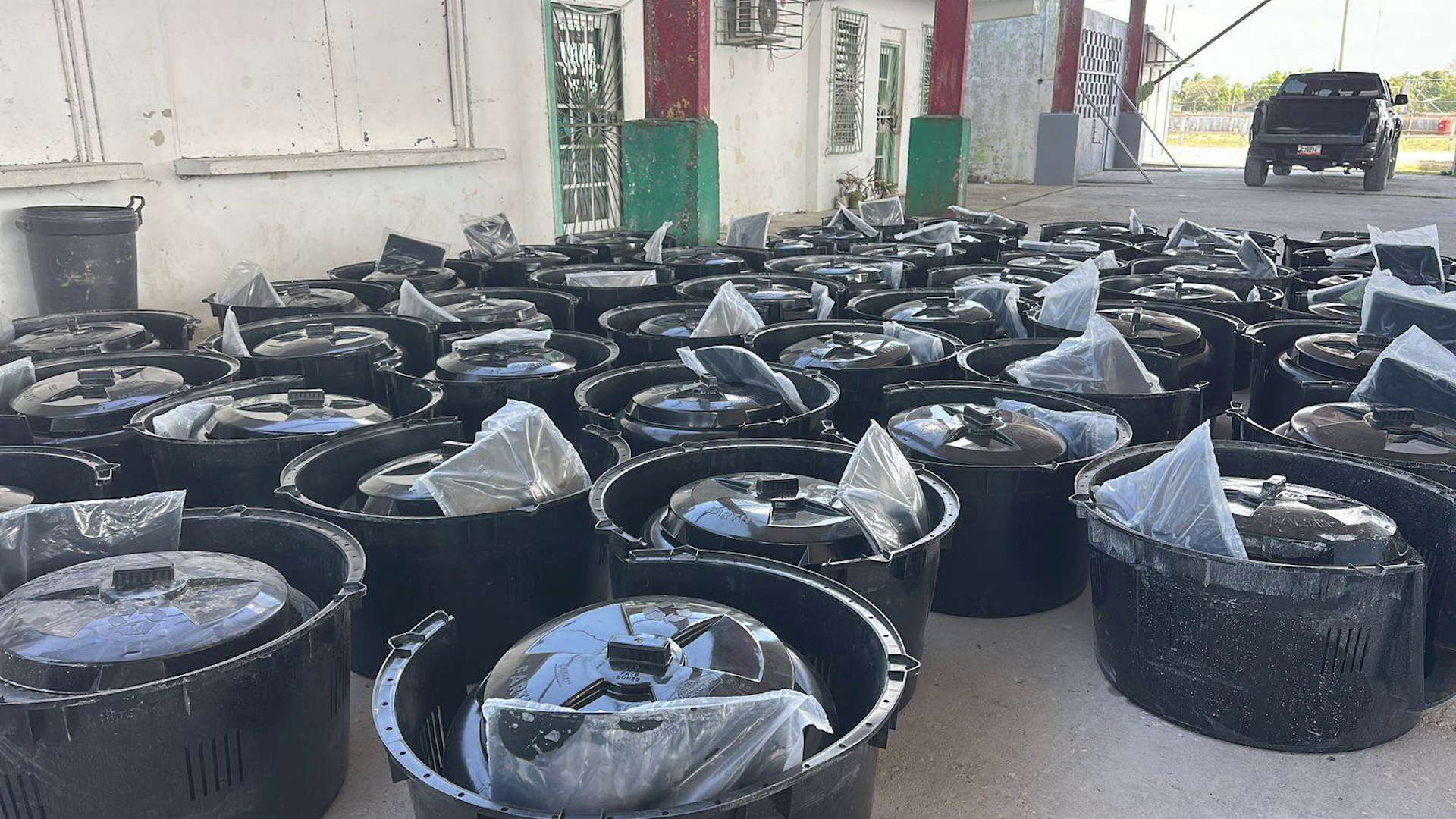
As climate change accelerates and methane emerges as a critical contributor to global warming, the small town of Orange Walk is stepping up to the challenge with a ground-up sustainability initiative that starts in the most unexpected place: local residents’ kitchens. Scheduled for official launch in May 2026, the town’s first-ever Home Composting Program turns the everyday problem of household food waste into a tangible climate solution, diverting organic scraps from overflowing landfills and turning them into nutrient-rich compost. So far, 50 local households have already joined the program, receiving hands-on training and specialized tools to help them convert kitchen leftovers into a valuable soil amendment, marking a small but meaningful shift in how the community approaches waste management. The initiative is rooted in hard local data: according to Orange Walk Town Councilor Joyce Castillo, 32% of all municipal waste generated in the town is organic material that currently gets dumped at the town’s open landfill, where it decomposes without oxygen and releases methane — a greenhouse gas 80 times more heat-trapping than carbon dioxide. Without a fully operational waste transfer station to handle organic waste properly, landfill methane emissions have remained a persistent problem for the town, motivating local leaders to seek out community-focused solutions. The Home Composting Program is part of Orange Walk’s broader participation in the global Recycle Organics Program, an international initiative designed to cut global methane emissions by redirecting food and green waste from landfills to compost production. Local leaders drew insights and best practices from peer municipalities in other countries to shape the program’s design, adapting proven strategies to fit Orange Walk’s unique community needs. Complementing the residential composting push, the town also recently took delivery of a new industrial woodchipper, shared jointly with Benque Municipality through the Recycle Organics Program. This new equipment will allow the town to process yard waste and tree branches that were previously dumped in landfills, shredding the green waste into a material suitable for composting. Because Orange Walk does not yet operate a municipal composting facility, the town council has signed a formal memorandum of understanding with BSI Factory, a local facility that already runs its own composting operation. Under the agreement, BSI will accept all processed shredded yard waste from the town to integrate into its existing compost production workflow. Once the town’s new waste transfer station comes online — which local leaders hope will happen by the end of 2026 — the facility will no longer accept yard waste or organic material, making the new pre-processing and diversion systems even more critical to keeping organic material out of landfills. For Orange Walk, the initiative represents more than just a waste management upgrade: it’s a model for how small communities can take local action to address a global climate crisis, turning individual daily habits into collective impact. By engaging residents directly in waste reduction and pairing community participation with strategic municipal partnerships, the town is building a more sustainable, low-emission waste system that can serve as a blueprint for other small municipalities grappling with similar challenges.