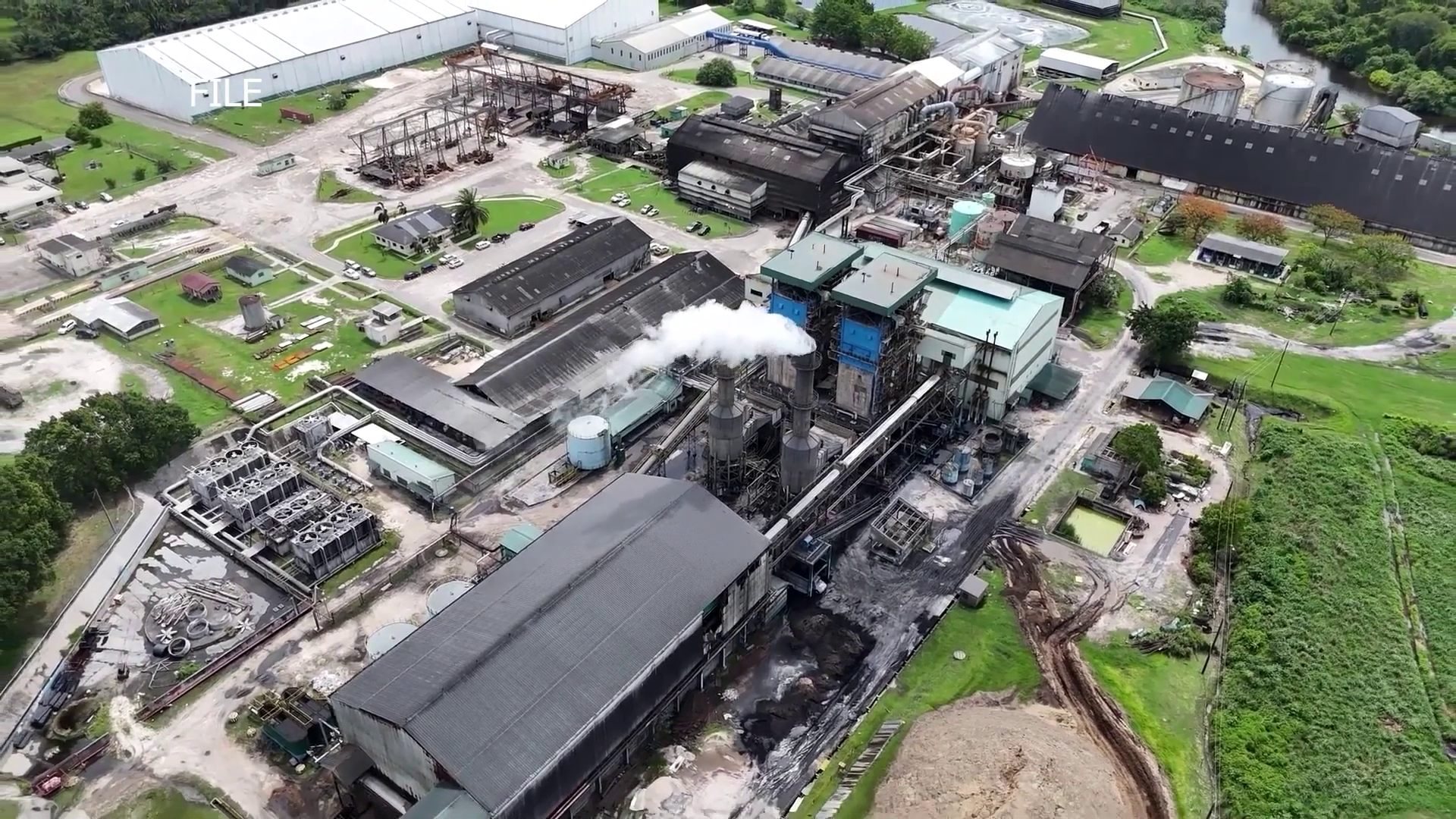
Against a backdrop of intensifying climate volatility and unpredictable global sugar pricing, Belize’s iconic sugarcane industry faces an existential crossroads, prompting top government leaders to push for urgent economic diversification among the nation’s cane growers. Prime Minister John Briceño and former Agriculture Minister Jose Mai have launched direct outreach to farming communities, framing a shift toward cattle ranching as a viable, high-demand path to build long-term agricultural resilience.
For decades, Briceño noted, policymakers have warned cane farmers against overreliance on a single commodity, stressing the age-old wisdom of not placing all eggs in one basket. Today, that warning has become more urgent as climate change brings growing pressure to sugar cultivation, from erratic rainfall patterns to shifting growing conditions, while global sugar markets continue to swing between unpredictable price peaks and slumps. Now, leaders say, a tangible, high-demand opportunity exists in the livestock sector:
cattle production for export to neighboring Mexico and Guatemala, where current domestic supply cannot keep up with existing consumer demand.
Under the government’s proposal, cane farmers who hold underutilized or non-marginal cane acreage can convert unused portions of their land into pasture for small-scale cattle herds, generating an additional, steady stream of revenue beyond sugar sales. “If you have some cane fields that are not marginal or not using, then you can convert it into pasture land and have a few heads of cattle to sell. So, it goes in line with what we are talking as government,” Briceño explained in public remarks.
Data from the Statistical Institute of Belize underscores the economic potential of this shift: the nation’s cattle export sector generated more than $16 million in revenue for producers in 2025, even as the industry has recorded modest export declines in recent months. For a country where sugar production has long been a cornerstone of the agricultural economy, the proposed diversification represents a fundamental strategic shift designed to shield farming livelihoods from the overlapping threats of climate change and global market volatility.