A fierce political debate has erupted in Belize this week over the proposed National Health Insurance Authority Bill, pitting the country’s opposition against the ruling administration over the legislation’s structure, transparency, and long-term financial implications for citizens.
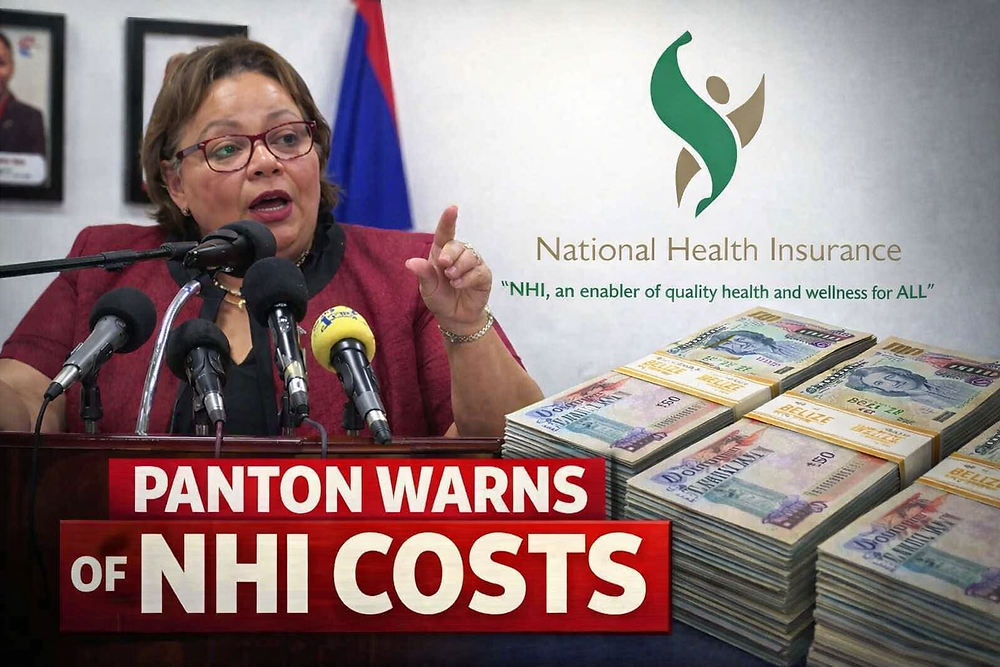
Speaking at a press briefing held by the United Democratic Party (UDP) on Tuesday, opposition leader Tracy Taegar Panton issued a series of sharp criticisms of the bill. Panton emphasized that the opposition does not oppose the core goal of expanding universal healthcare access for Belizeans, but condemned the government for pushing forward a deeply flawed piece of legislation that lacks critical checks and balances. She outlined three core flaws: first, the bill fails to meet basic transparency standards, with vague provisions around future funding that create unnecessary uncertainty for the public. Second, the proposed governance structure concentrates excessive power in the executive branch of government, stripping the NHI Authority’s governing board of its key oversight duties. Third, Panton raised red flags over the limited role assigned to the Ministry of Health in the new framework, warning that the legislation could leave public healthcare facilities underfunded while steering the majority of NHI contracts to private healthcare providers.
One of the most consequential concerns Panton raised centers on the bill’s potential long-term impact on workers. She argued that the legislation’s ambiguous wording paves the way for mandatory, Social Security-style contributions that would result in automatic additional deductions from working Belizeans’ paychecks down the line. The opposition leader also highlighted a restrictive patient registration rule that would require people to seek care only from providers in their home district, a policy she says would unfairly harm cross-district commuters, including daily wage workers, out-of-town students, and traveling vendors who regularly leave their home municipalities for work or commerce.
In response to these criticisms, Panton and the UDP have called on the Briceño administration to hit pause on the legislative process. The opposition demands that the government conduct broader public consultation with stakeholders, release full details of the bill’s long-term financial projections, and strengthen accountability and governance safeguards before moving forward with a vote.
Prime Minister John Briceño pushed back against the opposition’s claims during a media interview on Wednesday, rejecting allegations that the bill includes immediate new taxes or fees that would burden Belizean residents. Briceño clarified that the contribution provisions referenced in the legislation are not designed for the current primary care-focused NHI model, but are merely pre-structured to support potential future expansion of the program into secondary and tertiary healthcare services.
The prime minister explained that Belize’s existing NHI program is currently funded through general taxpayer revenue and proceeds from the national Boledo lottery, which allows patients to access covered primary care services at very low out-of-pocket costs. He noted that any future mandatory contribution system would be modeled after successful universal healthcare frameworks in countries like Costa Rica, where collective pooled funding is used to expand the scope and quality of covered services for all citizens. Briceño also added that the long-term plan includes potential public-private partnerships with local insurance companies, an initiative that would expand care access domestically and cut down on the number of Belizeans who have to travel abroad for expensive, specialized medical treatment.