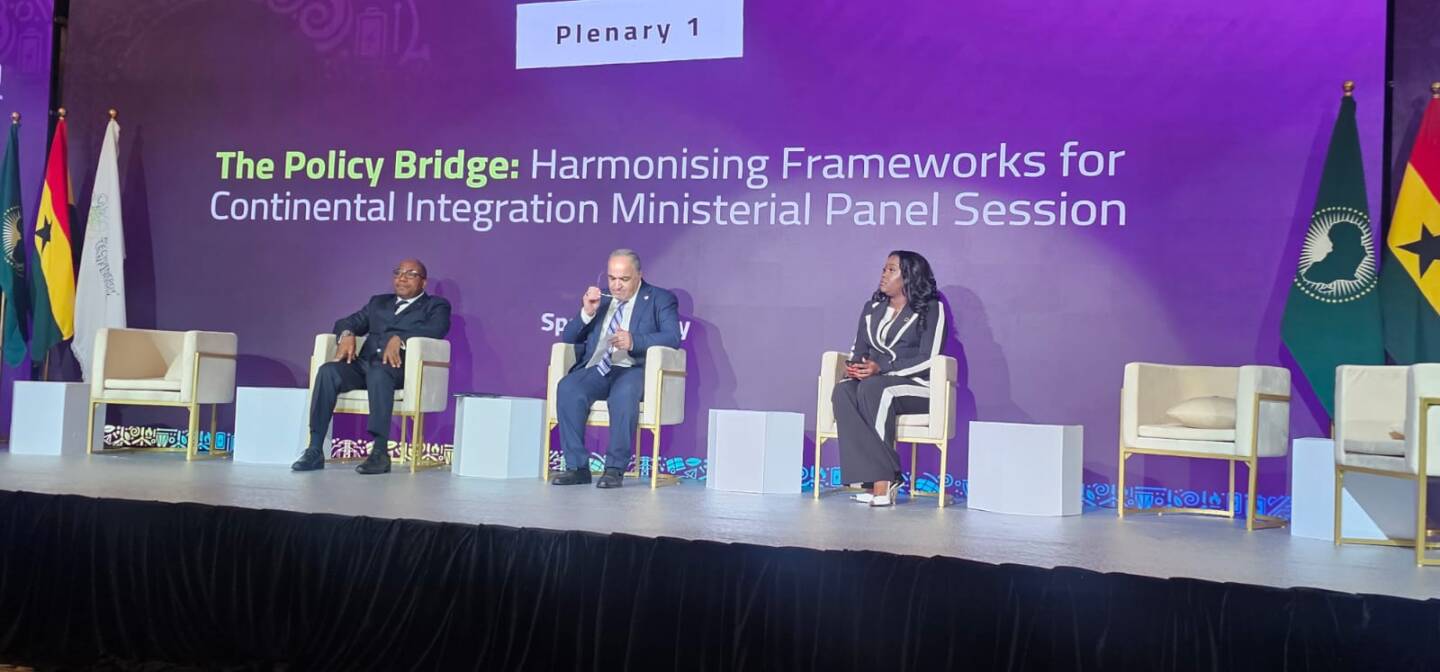
The Africa Energy Technology Conference 2026, one of the continent’s leading gatherings focused on sustainable energy innovation and integration, recently hosted a high-stakes Ministerial Session centered on harmonizing cross-border policy frameworks for continental energy cooperation. Hon. Kerryne James, Grenada’s Minister of Climate Resilience, the Environment and Renewable Energy, joined the event as a featured distinguished panellist for the session, titled “The Policy Bridge: Harmonising Frameworks for Continental Integration”.
This closed-door high-level dialogue brought together top policymakers, regulatory leaders and senior energy industry executives from across Africa and beyond, all gathered to address long-standing regulatory and policy barriers that have slowed progress on regional and continental energy trade and collaborative infrastructure development. Attendees agreed that fragmented national rules have long blocked the seamless flow of energy across borders, making it far harder to build the resilient, interconnected energy systems that are critical to expanding access and meeting climate goals. Session discussions centered on the urgent need to align divergent national legal frameworks, tariff structures, industry regulations and core energy policies, with a shared focus on how coordinated action can accelerate progress toward universal energy access, environmental sustainability and inclusive economic growth across the continent.
During her interventions, Minister James drew attention to the unique position that small island developing states (SIDS) like Grenada occupy amid the global energy transition, highlighting both their disproportionate climate vulnerability and their untapped potential to lead on innovative renewable energy solutions. She emphasized that equitable global partnerships, adaptive regulatory structures, and accessible, inclusive financing models are non-negotiable to enable SIDS to fully engage in and benefit from emerging regional and international energy markets.
Beyond policy and financing, Minister James used the high-profile platform to push for greater representation and meaningful leadership opportunities for women and youth across the global energy sector. She argued that inclusive progress cannot stop at token representation; instead, women and young people must be centered in core decision-making processes, elevated to senior leadership roles, and given direct access to deploy cutting-edge clean energy technologies.
“Women and young people must not only be viewed as beneficiaries of the energy transition, but as innovators, leaders, and active contributors shaping the future of sustainable energy systems,” James told the gathered participants.
She further added that targeted investments in human capacity building and intentional creation of accessible pathways for youth engagement are foundational to delivering a just, inclusive energy transition—especially for vulnerable developing economies that face the steepest barriers to climate action.
Grenada’s presence at the 2026 Africa Energy Technology Conference underscores the Caribbean nation’s ongoing commitment to strengthening cross-border and global climate partnerships, scaling up domestic renewable energy deployment, and contributing valuable perspectives from small island states to global conversations about building sustainable, climate-resilient energy systems for all.