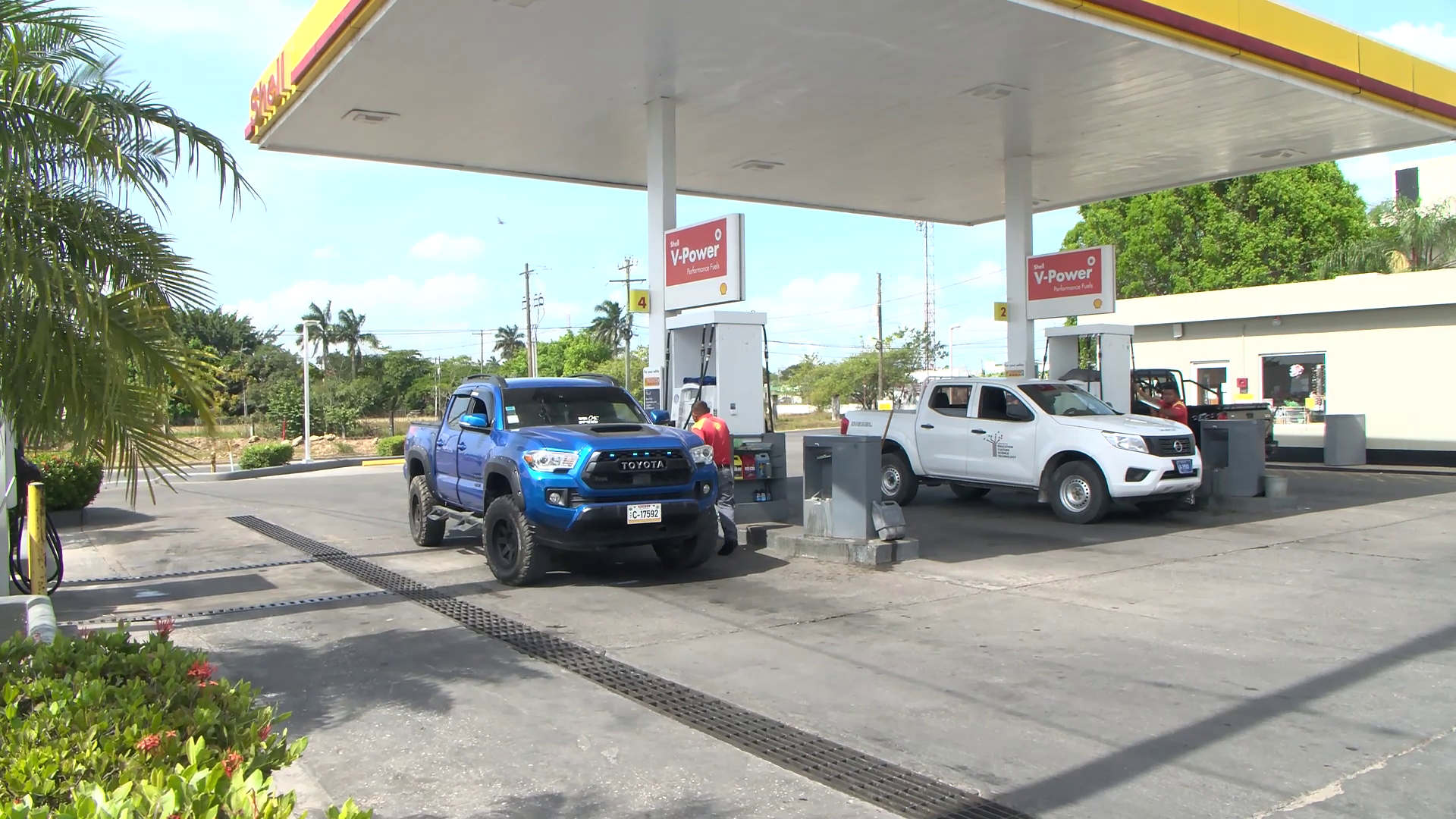
As of May 20, 2026, Belizean motorists are facing the fourth consecutive fuel price increase of the year, with the burden of higher costs falling unevenly across different regions of the country. The sharp upward trend at the pump has added new strain to households already grappling with soaring cost-of-living pressures, sparking public debate over the sustainability of the government’s current relief strategy.
Regional data on fuel prices after the latest overnight hike highlights stark geographic gaps. In Belize City, the nation’s largest urban center, both diesel and regular-grade gasoline now retail at $14.83 per gallon, while premium fuel sells for $14.53. Slight increments are seen in the capital city of Belmopan, where diesel hits $14.86, regular gasoline reaches $14.85, and premium comes in at $14.55. The steepest increases, however, are concentrated in the southern town of Punta Gorda, where diesel climbs to $15.80, regular gasoline to $15.10, and premium to $14.79, putting far greater financial pressure on local drivers and transport businesses.
Prime Minister John Briceño attributes the nationwide price surge to overwhelming global market pressures that are impacting fuel costs across the world, noting that in the U.S. alone, fuel prices have nearly doubled over the past eight to ten weeks. As a small net fuel importer, Briceño explained Belize lacks the bulk purchasing power that allows larger economies like the United States to negotiate lower per-gallon costs. To offset runaway price gains, his administration has repeatedly cut fuel taxes, a policy that has already cost the national budget an estimated $80 million in foregone revenue that was previously allocated to public programs. In the most recent hike alone, Briceño confirmed tax cuts reduced final retail prices by approximately one dollar per gallon.
A breakdown of pump price components reveals that the largest contributor to this year’s surge is the landed cost of imported fuel – a figure that covers freight, insurance, and port processing fees. As of mid-April 2026, landed cost had jumped from $4.85 per gallon at the start of the year to $8.12, driving a $2.33 per gallon increase in premium fuel prices, which rose from $12.28 to $14.61 over the same period. Taxes, by contrast, have actually declined as part of the government’s relief effort, while commercial margins for transporters, wholesalers, and retail dealers have seen only a modest uptick.
Historical comparisons have intensified criticism of the government’s approach: in August 2012, when premium fuel hit a previous peak of $12.97 under the prior Barrow administration, the landed cost of $7.68 was near current levels. But total taxes at that time stood at just $3.67 per gallon, far lower than current tax levels even after recent cuts, leading critics to argue the government has room to implement deeper tax reductions.
Briceño pushed back against those calls, noting the government is already working to identify cuts to other non-essential spending to protect its core policy priorities. The administration will not compromise on funding for key social programs that form the central pillars of the PUP government’s Plan Belize 2.0, Briceño confirmed, including food assistance for low-income households, affordable housing initiatives, land access programs, public education, and the National Health Insurance scheme. Any necessary budget adjustments will be made to other line items to preserve these commitments.
As fuel prices continue to climb faster than household income growth across Belize, the core unresolved question remains: how long can the government’s sustained tax cuts remain fiscally sustainable? For News Five, reporter Paul Lopez filed this report from Belize.