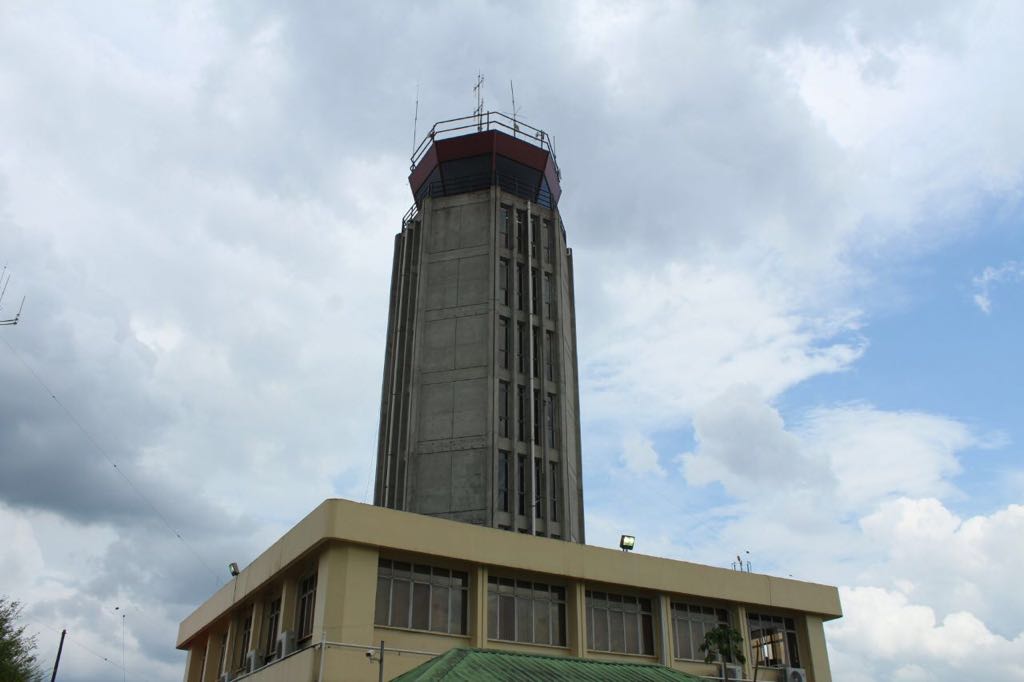
On Wednesday, May 20, 2026, Guyana’s Minister of Aviation Deodat Indar announced a critical infrastructure development plan that will reshape the country’s aviation sector: the construction of a brand-new Air Traffic Control Tower at the Cheddi Jagan International Airport (CJIA), located in Timehri along the East Bank Demerara. The announcement came during a press briefing previewing the third International Civil Aviation Organization/European Union Aviation Safety Agency Global Regional Safety Oversight Organization (RSOO) and Regional Accident and Incident Investigation Organization (RAIO) Forum on Aviation Safety, which is scheduled to take place in Guyana September 29–30.
According to Indar, relocating and rebuilding the control tower is a necessary first step to unlock large-scale expansion of the already strained CJIA, which has seen explosive growth in air traffic over the past five years. The new tower will be constructed on the opposite side of the airport’s existing footprint, creating space to add additional aircraft parking aprons to accommodate more concurrent arrivals and departures.
Indar emphasized that growing congestion has already created operational challenges at the hub. In 2020, just four airlines operated out of CJIA; today, that number has jumped to 16. During peak periods, when multiple flights arrive within a narrow window, the airport runs out of available parking space, forcing incoming aircraft to hold on taxiways waiting for available spots. This bottleneck slows operations and limits the airport’s ability to support further growth in Guyana’s aviation sector.
The new ATC tower is just one component of a nationwide aviation modernization push taking place across the country. Indar noted that the overhaul extends beyond infrastructure to include updates to national aviation laws and regulatory frameworks, as well as upgrades at all of Guyana’s aerodromes. Planned upgrades include new security scanners, expanded closed-circuit camera coverage, automated inline baggage handling systems, and modernized digital check-in systems to improve passenger experience and security.
Official data shared by the minister underscores the rapid expansion driving these changes: total aircraft movements across Guyana rose from 63,863 in 2020 to 99,508 by the end of 2025, a more than 55% increase in just five years. For Indar, this surge in air traffic is more than an operational challenge—it is a clear indicator of broader economic growth across the country. “It tells you movement is a sign of economic activity. It tells you what’s happening in the sector,” he said, framing the modernization efforts as a direct investment in Guyana’s ongoing economic expansion.