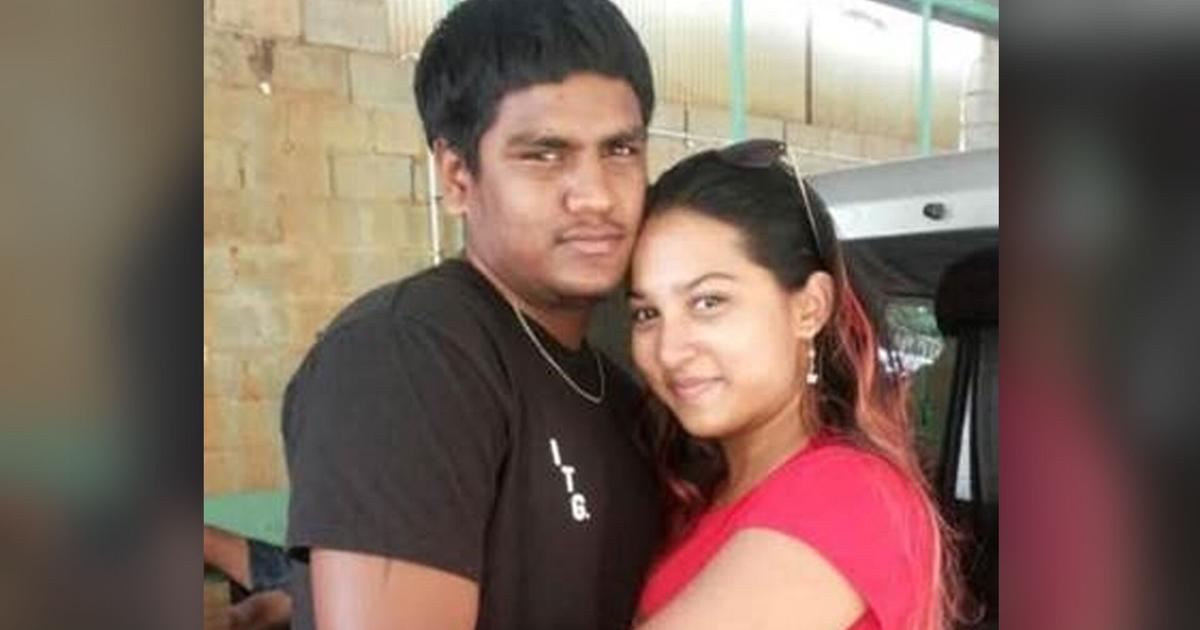
In a historic first for the twin-island nation of Trinidad and Tobago, a wrongful death lawsuit alleging vaccine-induced fatal injury has been filed at the nation’s High Court, naming both the national government via the Office of the Attorney General and the North Central Regional Health Authority (NCRHA) as defendants. The case centers on the tragic death of 26-year-old Alisha Kanna Seebaran, a waitress from Curepe who passed away in May 2023, two years after experiencing a catastrophic neurological reaction to her first dose of Pfizer’s mRNA COVID-19 vaccine.
According to court filings submitted by Seebaran’s husband, Nicholas Francis—who is bringing the claim on behalf of his late wife—Seebaran received her initial vaccination at an NCRHA-run mass vaccination clinic in Arima on October 6, 2021. Within just 48 hours of the injection, she developed sudden paralysis on the left side of her body. She was quickly admitted to the Eric Williams Medical Sciences Complex (EWMSC), where clinicians diagnosed her with transverse myelitis, a rare inflammatory disorder that targets the spinal cord and can cause permanent nerve damage.
Francis launched the formal lawsuit at the San Fernando Sub-Registry earlier this month, after more than a year of failed attempts to resolve the dispute outside of the judicial system. Court records show Francis submitted a mandatory pre-action protocol letter to both named defendants in April 2024, but the process stalled amid repeated delays from NCRHA officials and complete silence from the Attorney General’s Office. It was not until November 2025 that NCRHA finally issued a formal response, denying all allegations of negligence and rejecting any causal connection between the Pfizer vaccine and Seebaran’s terminal illness. Francis’ legal team argues that this official position directly contradicts internal conclusions reached by NCRHA’s own treating medical staff.
To back up their claim of a direct causal link, the legal team has cited peer-reviewed medical research published in the international journal Cureus in February 2022. The paper, co-authored by a consultant neurologist who directly treated Seebaran, documented four confirmed cases of post-vaccination neurological illness in Trinidad and Tobago—including Seebaran’s case—and concluded that the adverse events were “likely due to the vaccines.” Subsequent medico-legal reports prepared by both local and international independent medical consultants have echoed this finding, the court filings confirm.
Beyond the claim of medical negligence, the lawsuit also challenges the legality and constitutionality of key planks of the Trinidadian government’s 2021 COVID-19 public health policy, specifically the controversial “Safe Zone” regulations that barred unvaccinated people from entering most workplaces and public spaces. Court documents outline that Seebaran was personally hesitant to receive the COVID-19 vaccine, but felt she had no other choice to keep her job as a waitress. Her lawyers reference public statements made by then Prime Minister Dr. Keith Rowley and then Minister in the Office of the Prime Minister Stuart Young during the September 2021 rollout of the Safe Zone policy, which made clear that access to employment and public life would be restricted for unvaccinated residents.
Francis’ legal argument holds that when the State conditions access to work and basic public participation on receiving a medical intervention, it takes on legal responsibility for any harm that results from that intervention. The case raises sweeping constitutional questions about the boundaries of public health emergency policy, the duty of care the government owes to its citizens, and the legal requirements for informed consent. Key legal questions the court will rule on include whether official government descriptions of COVID-19 vaccines as “safe and effective” were misleading to the public, whether consent obtained under the implicit threat of unemployment counts as legally valid informed consent, and whether constitutional civil rights protections can be lawfully restricted during a public health crisis.
Francis is seeking both compensatory damages for the death of his wife and formal court declarations that would set binding legal precedent on issues of state accountability, informed consent, and public health communications for future cases. The litigation is being supported by the Trinidad and Tobago Civil Advocacy Network (TTCAN), a local civil society group that provided support to Seebaran after she suffered her initial injury. Francis is represented by a three-attorney team led by Kingsley Walesby, with co-counsel Alvin Ramroop and Stephanie Rajkumar.