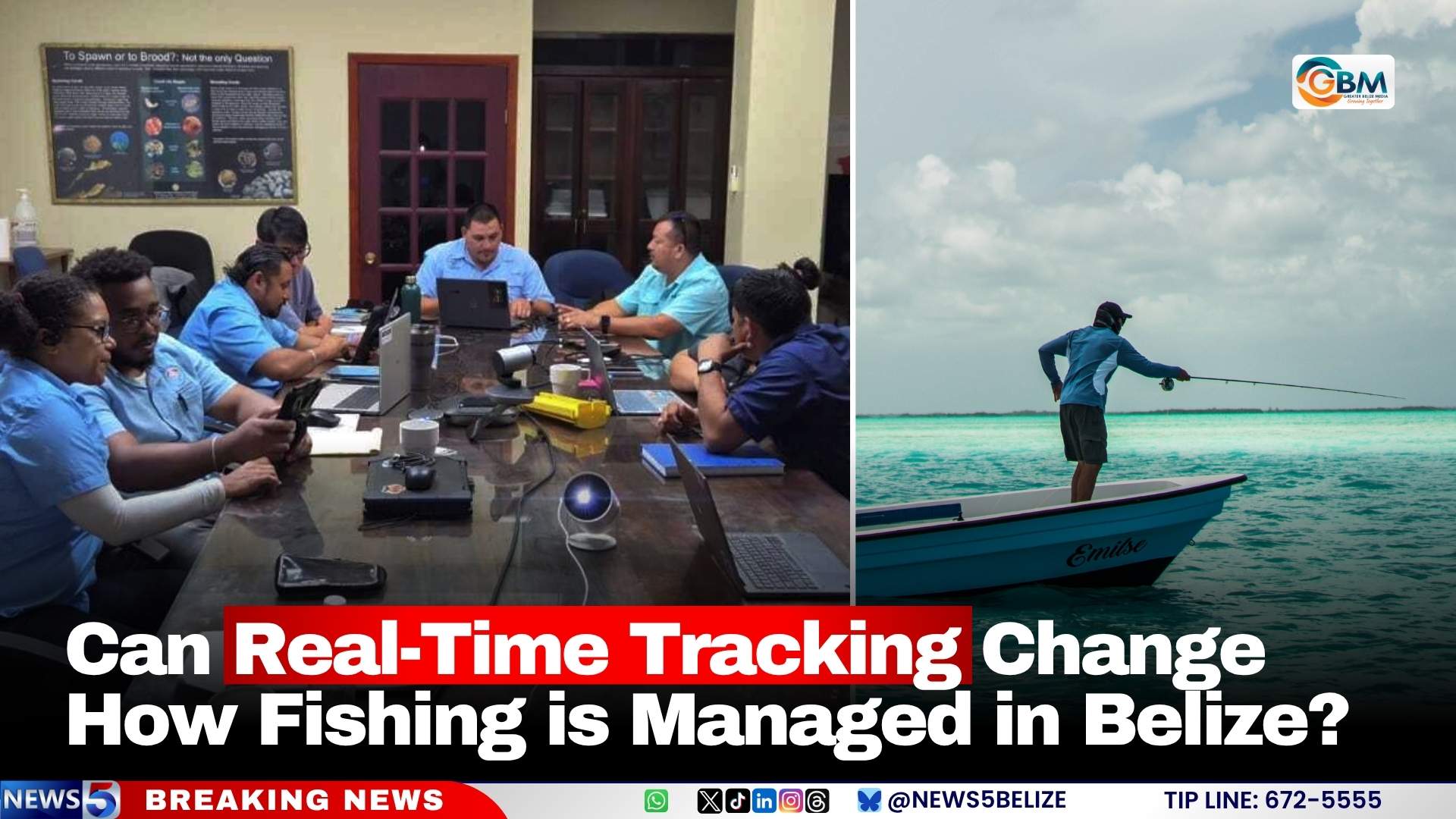
By 2026, Belize’s fisheries management sector is undergoing a major digital transformation, as the country’s Fisheries Department phases out traditional paper-based logging in favor of an integrated digital data collection platform. This shift, designed to overhaul how fishing activity data is gathered and utilized nationwide, has reached a key implementation milestone with a specialized training workshop held on May 14, 2026.
Hosted by the department’s Capture Fisheries Unit, the workshop brought together fisheries officers to build hands-on skills with the new SMART digital system, which replaces handwritten paper catch logs with digital recording and instant cloud uploading. Unlike the legacy paper system that required weeks or even months to process data, the new platform enables near-instant uploading of both catch volume and fishing effort data from coastal and offshore operations.
This near real-time data access is a game-changer for fisheries regulators, according to department officials. Faster access to actionable information means management teams can make more timely, evidence-based decisions to address overfishing risks, adjust catch limits, and protect vulnerable marine ecosystems. Beyond speed, the digital transition is projected to cut down on common errors that plague handwritten records and repeated manual data entry, streamlining the entire reporting workflow for both fishers and regulatory staff.
The long-term vision for this initiative is full end-to-end automation of fisheries data collection across all of Belize’s fishing zones. Officials emphasize that this digital upgrade is not just an administrative overhaul: it is a core investment in the long-term sustainability of Belize’s Blue Economy, ensuring marine resources remain productive for future generations while supporting the livelihoods of coastal communities that depend on fishing.
The project is a collaborative effort between Belize’s Fisheries Department and the Wildlife Conservation Society, with specialized technical support from veteran fisheries expert Julio Maaz, who led the facilitation of the recent SMART system training workshop. As rollout continues across coastal regions, stakeholders are monitoring how the real-time tracking system will reshape sustainable fishing practices in one of the Caribbean’s most biodiverse marine territories.