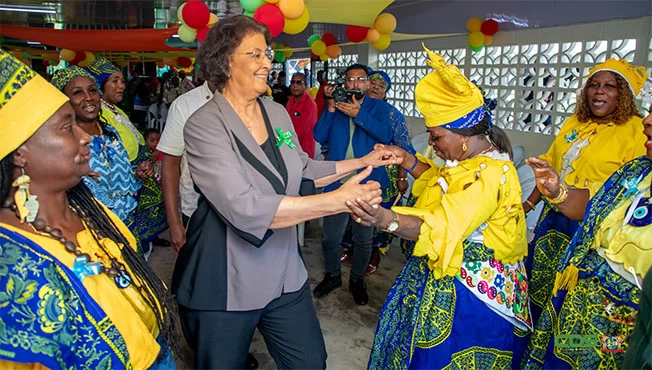
On a reflective and celebratory Monday, Plantation Onverwagt in Suriname gathered residents and national leaders to mark 145 years since local community members secured ownership of the land, a milestone that came just years after the abolition of slavery across the region. The event blended lively music, shared personal memories, and intergenerational storytelling, centering two core goals: honoring the site’s complex history and charting a path forward to protect the community’s shared heritage and social cohesion for decades to come.
Speaking at the celebration, Suriname President Jennifer Simons emphasized the critical urgency of documenting the unique history of the Para region and preserving the oral histories passed down by elder generations. She warned that without intentional efforts to transfer these collective memories to younger cohorts, large portions of the nation’s vulnerable cultural heritage risk fading into permanent loss.
According to Suriname’s Communication Service, the 145th anniversary commemorates the 1881 purchase of the plantation by its residents, a transaction that took place shortly after chattel slavery was abolished in the region. Simons stressed that this historic act of self-determination offers a powerful example of how Suriname’s ancestors built a stable, hopeful future for their descendants even in the face of immense systemic hardship and displacement.
“Our ancestors refused to remain trapped in the identity of victims. Instead, they came together to build a lasting community for the generations that would come after them,” the head of state told attendees. She used the occasion to make a major policy announcement: this coming August, Suriname will launch its first annual National Heritage Month, a nationwide initiative designed to draw greater public attention to the country’s diverse cultural heritage and advance the values of peaceful coexistence across all communities.
Beyond the new heritage initiative, President Simons also raised urgent concerns about the long-term protection of collective land holdings tied to historic plantations like Onverwagt. She issued a call to action, urging local community leaders, academic and cultural heritage experts, and national government bodies to collaborate closely to develop sustainable solutions that will safeguard the collective land rights of these communities in perpetuity.
Local community leader Clyde Vyent also reflected on the plantation’s enduring meaning for the people who call it home. He framed Onverwagt as a lasting national symbol of human dignity and resilience, noting that the 1881 land purchase by ancestors was a deliberate act designed to free future generations from economic dependence on outside actors. At the same time, Vyent acknowledged the persistent challenges the Onverwagt community still grapples with today, including high rates of unemployment, gaps in educational access, and outdated, inadequate public infrastructure. “Our goal is to leave behind a community that our children and grandchildren will be proud to call home,” he said.