Nearly 10 years in the planning, Belize is breaking with conventional narratives around cross-border movement, launching a landmark national process to codify a new approach that positions migration as a core driver of national progress rather than a crisis to manage.
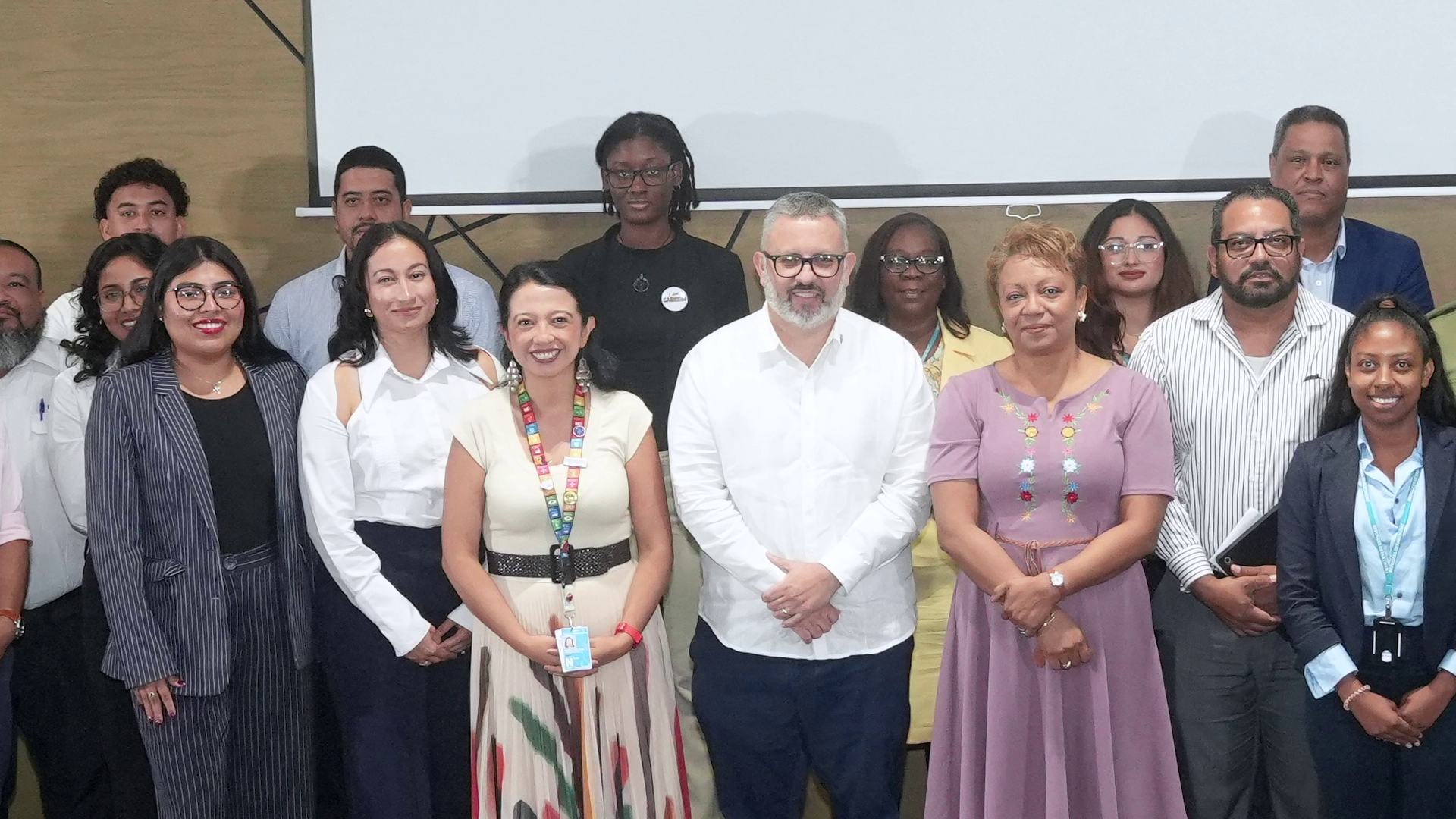
On May 18, 2026, government leaders, international collaborators and local stakeholders convened in the capital city of Belmopan to kick off the first national consultation phase for the country’s inaugural Migration and Development Policy. The multi-day engagement will stretch across four major population centers: Belmopan, Belize City, Bella Vista and the popular coastal hub of San Pedro, with a week of structured dialogue designed to inform a holistic policy framework that integrates migration planning across national security, labor markets and social service systems.
Opening the gathering, Immigration Minister Kareem Musa framed the consultation as a long-awaited turning point for the small Central American nation. “It is my honor to stand before you today as we open this first National Stakeholder Consultation on the Belize Migration and Development Policy, a milestone that our ministry, government and this country have been working on for almost a decade,” Musa told attendees. “I want to begin with something simple but important. Migration is not a problem to be solved. It is a reality to be managed wisely, humanely and strategically — and for too long, Belize has been navigating that reality without a comprehensive national policy to guide us.”
Tanya Santos, chief executive officer of the Ministry of Immigration, expanded on the holistic vision guiding the new policy, noting that migration can no longer be reduced to a narrow border security concern. “Migration can no longer be considered just a border issue. It is a labor issue, a health issue, an education issue, a demographic issue and a national development issue,” Santos said. “The development of a Migration and Development Policy is Belize’s formal recognition of this reality.”
This public consultation phase comes as Belize adapts to shifting regional migration patterns, and the inclusive stakeholder process is intended to ensure the final policy addresses the needs and perspectives of communities across the country. Once finalized, the framework will be the first formal national policy guiding migration management in Belize’s modern history, aligning cross-sector planning with the country’s long-term social and economic development goals.
This report is adapted from a transcript of an evening television news broadcast, with transcribed Kriol language statements adjusted to follow standard English spelling conventions for digital publication.