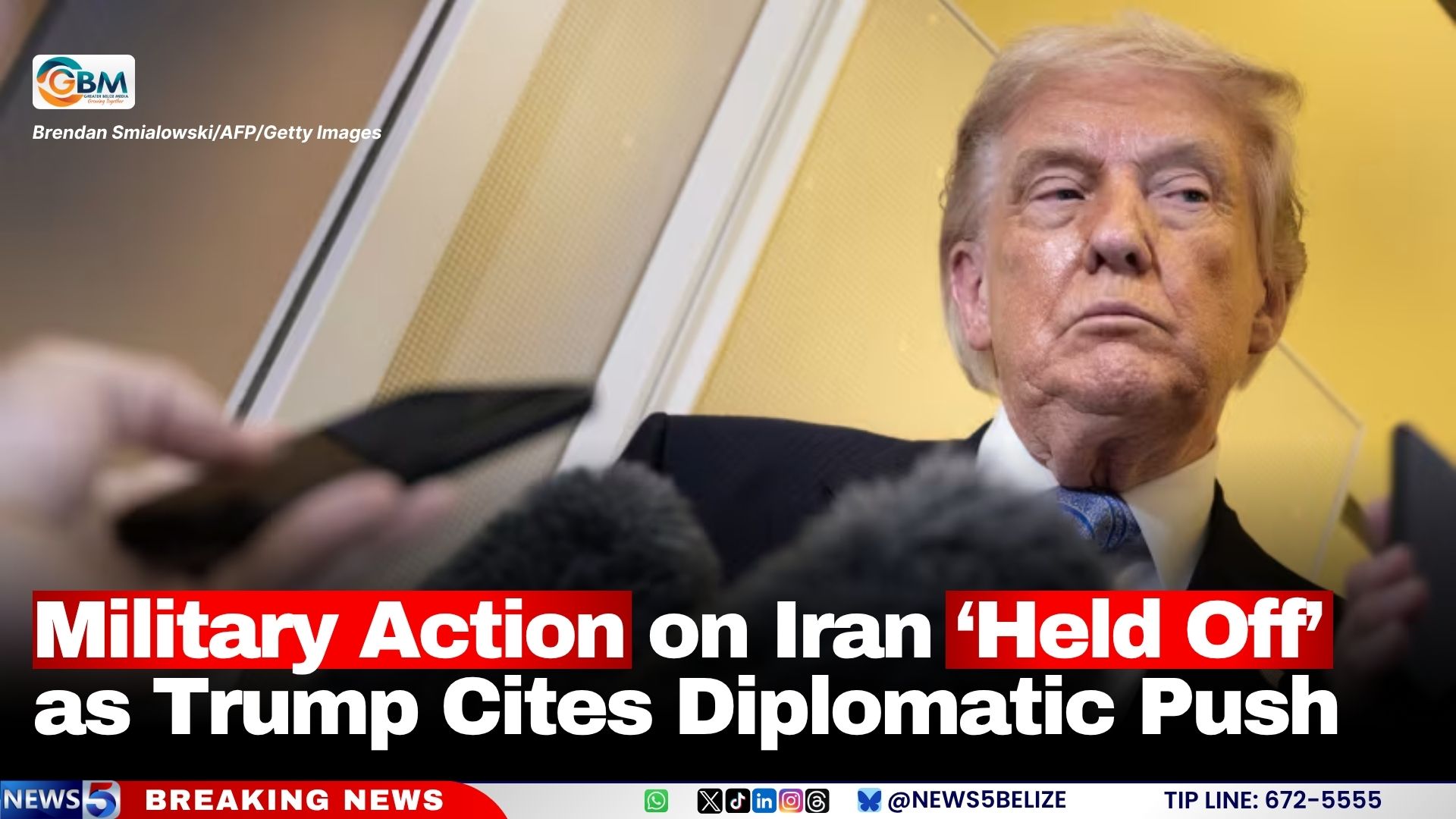
In a last-minute reversal of planned hostilities that has shifted the trajectory of Middle Eastern tensions, former U.S. President Donald Trump announced on May 18, 2026 that he has called off an imminent military strike against Iran that was scheduled for the same day. The decision, Trump confirmed in a post to his social media platform Truth Social, came in direct response to appeals from key regional leaders. Top officials from Qatar, Saudi Arabia, and the United Arab Emirates reportedly reached out to the White House to ask for additional time to advance ongoing diplomatic negotiations between the two nations. According to Trump, these influential Gulf leaders share the assessment that there is a meaningful, credible chance to broker a mutually acceptable deal that satisfies both Washington and other stakeholders across the Middle East. While the strike is on hold for now, Trump emphasized that the pause is only temporary. He has issued explicit instructions to U.S. military commanders and senior defense leadership to maintain full readiness, enabling the U.S. to launch a large-scale full assault against Iran immediately if diplomatic efforts collapse and no viable agreement is reached. The core of the prospective agreement under discussion centers heavily on Iran’s controversial nuclear program. U.S. negotiating teams have remained firm on one non-negotiable condition: Tehran must permanently abandon any capacity to develop nuclear weapons. Tensions between the United States and Iran have been steadily escalating for months leading up to this moment. Trump has repeatedly issued public warnings that the window for a diplomatic resolution is closing, while consistently making clear that military action would immediately resume if negotiations fail to deliver acceptable outcomes. Beyond the direct geopolitical risk of open conflict between the two nations, the escalating standoff has already triggered tangible economic ripple effects across global markets. It has contributed to a measurable uptick in international fuel prices and stoked widespread anxiety among governments and investors over the future of global energy security and broad regional stability.