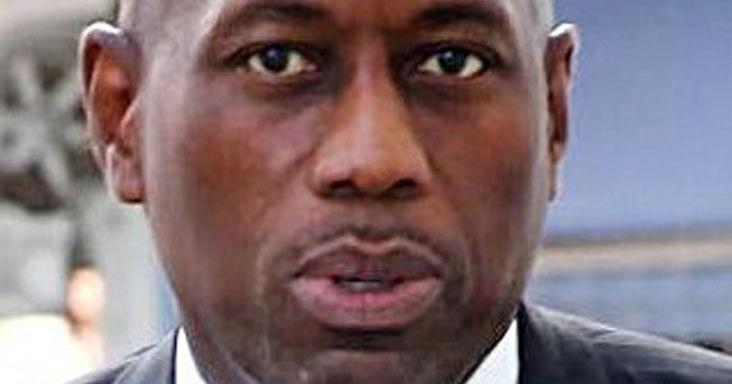
Plans to expand Trinidad and Tobago’s High Court Criminal Division to clear a massive backlog of criminal cases have run into open staffing concerns, prompting the country’s Judiciary to issue a formal public assurance that recruitment for vacant prosecutorial positions is already well underway. The clarification comes after Director of Public Prosecutions Roger Gaspard sent an official warning letter to acting Supreme Court Registrar Kimberly Prescott, confirming that his office currently lacks the personnel to assign prosecutors to the newly created additional criminal courtrooms.
Gaspard’s warning cast significant doubt over whether the Judiciary’s high-profile initiative to add more judges to tackle the nation’s growing criminal case backlog can deliver meaningful results without matching investments to expand prosecutorial capacity. The shortage of prosecuting staff has emerged as a critical bottleneck that could derail broader efforts to speed up criminal case resolution.
In a formal statement released to the public this week, the Judiciary — issued through Kerry-Anne Roberts, the body’s Communications and Information Manager — addressed growing public uncertainty over the initiative’s viability. The statement confirmed that the Judicial and Legal Service Commission (JLSC), the body responsible for judicial and legal appointments, is already actively moving forward to fill all open vacancies at the DPP’s office. The Judiciary also emphasized that Gaspard and his team have been fully involved in the recruitment process from the start, as his office holds a core stakeholder role in selecting new hires.
The Judiciary further clarified that the exchange of correspondence between Gaspard and the acting Registrar was part of routine administrative coordination ahead of the court expansion, rather than an open conflict between justice sector bodies. The registrar initially reached out to Gaspard to align on logistics for the new judge appointments and revised courtroom arrangements, prompting Gaspard’s response outlining the staffing gap.
Beyond addressing the immediate staffing controversy, the Judiciary used the statement to outline its broader, long-term reform agenda for the national criminal justice system. Current ongoing initiatives include targeted improvements to case management protocols, specialized continuing training for sitting judges, enhanced cross-agency stakeholder collaboration, and strategic administrative overhauls designed to reduce bottlenecks. A central pillar of these coordinated reforms is the newly established Criminal Justice Board, a permanent coordinating body created to foster ongoing open dialogue and joint problem-solving across all agencies involved in criminal justice administration. The board is already advancing multiple targeted improvement initiatives, the statement noted.
With a cohort of new High Court judges recently appointed to support the expansion, the Judiciary confirmed that it continues rolling out parallel improvements to strengthen how criminal cases are managed and moved through the court system. Earlier in the day, local outlet the Sunday Express had sent a formal inquiry to Chief Justice Ronnie Boodoosingh seeking comment on Gaspard’s leaked letter. The Judiciary explained that due to the tight media deadline, the Chief Justice required additional time to consult fully with JLSC members on the matter, leading to the unified institutional statement released in his place.
Closing out its remarks, the Judiciary reaffirmed its unwavering commitment to delivering timely, fair resolutions for pending criminal cases across the country, and pledged to provide regular public updates on the progress of its reform and recruitment initiatives moving forward.