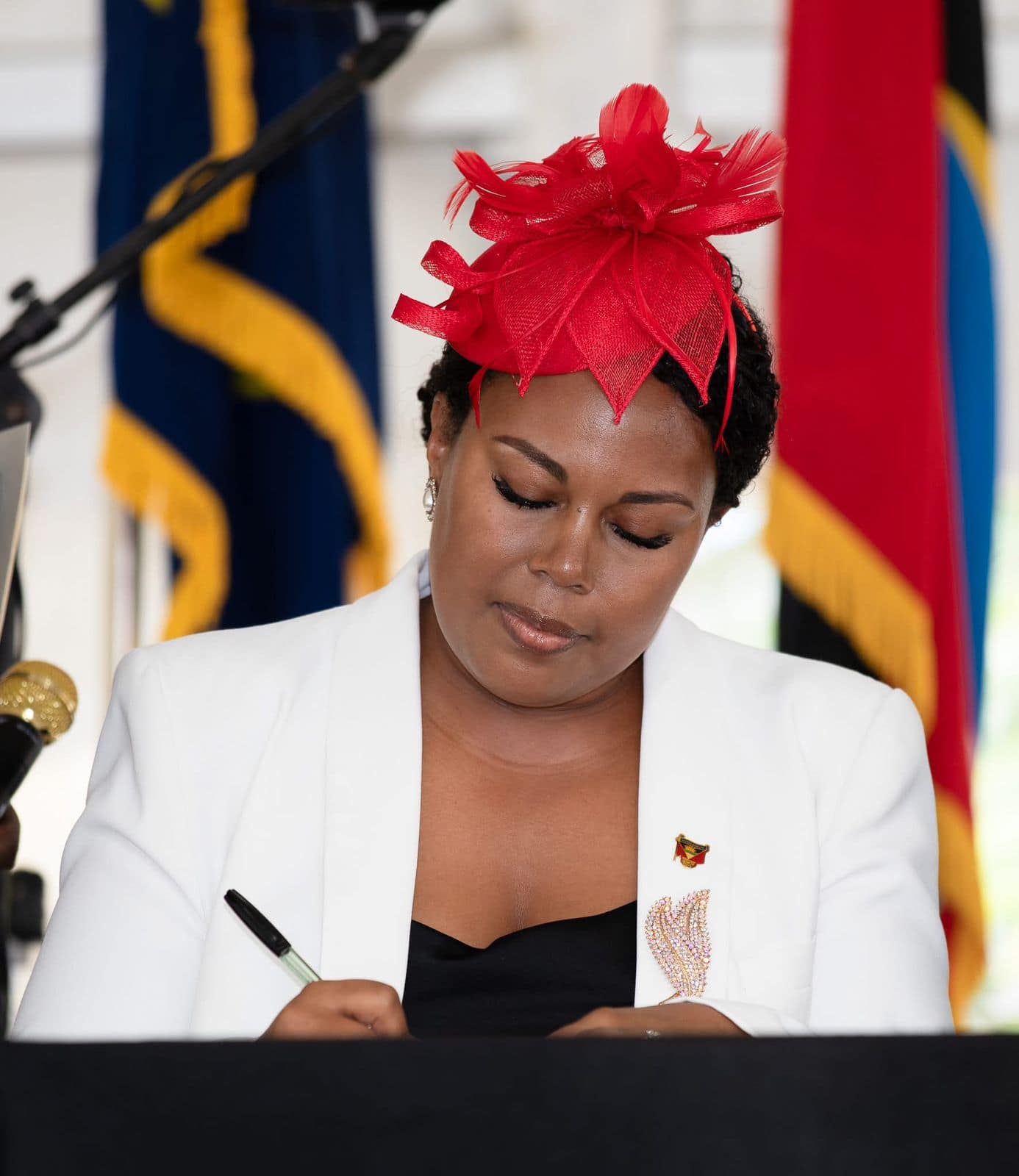
A senior lawmaker from the Antigua and Barbuda Labour Party (ABLP) has publicly backed the administration’s controversial plan to position Spanish as the nation’s official second language, framing the policy shift as a critical strategic step to boost cross-border commerce, deepen Caribbean-Latin American integration, and insulate the small island nation against global economic volatility.
In a public statement outlining her support for the proposal, Senator Abena St. Luce pushed back against unspoken critics of the plan, emphasizing that developing proficiency in a second language delivers broad national benefits rather than posing a risk to local culture or identity. “Being bilingual is an advantage, not a threat,” she emphasized in her written remarks.
St. Luce grounded her argument in recent trade uncertainty that rattled the Caribbean region earlier this year, when the Trump administration’s tariff proposals put existing trade relationships with North America at risk. She reminded stakeholders of the widespread regional consensus that emerged in response to that threat: to diversify trade partnerships by expanding economic ties with Latin American economies as a buffer against inflation and sudden market shifts.
As global trade routes and commercial alliances continue to evolve away from historic patterns, St. Luce argued that Antigua and Barbuda cannot afford to miss the opportunity to build new capacity to connect with fast-growing neighboring markets. “The country must improve its ability to communicate, compete, and collaborate beyond traditional borders,” she said, adding that tangible progress in strengthening regional connections starts with cultural and linguistic engagement. “Strengthening ties with Latin America starts with understanding and yes, embracing its language,” St. Luce added.
The senator’s intervention comes just weeks after the Antigua and Barbuda Cabinet formally approved the plan to codify Spanish as the nation’s second official language. As part of the policy rollout, the cabinet has issued a directive to the Ministry of Education, Science and Technology to overhaul the national K-12 education curriculum, expanding Spanish language education starting as early as preschool and extending through primary and secondary school to build a new generation of bilingual workers and leaders.