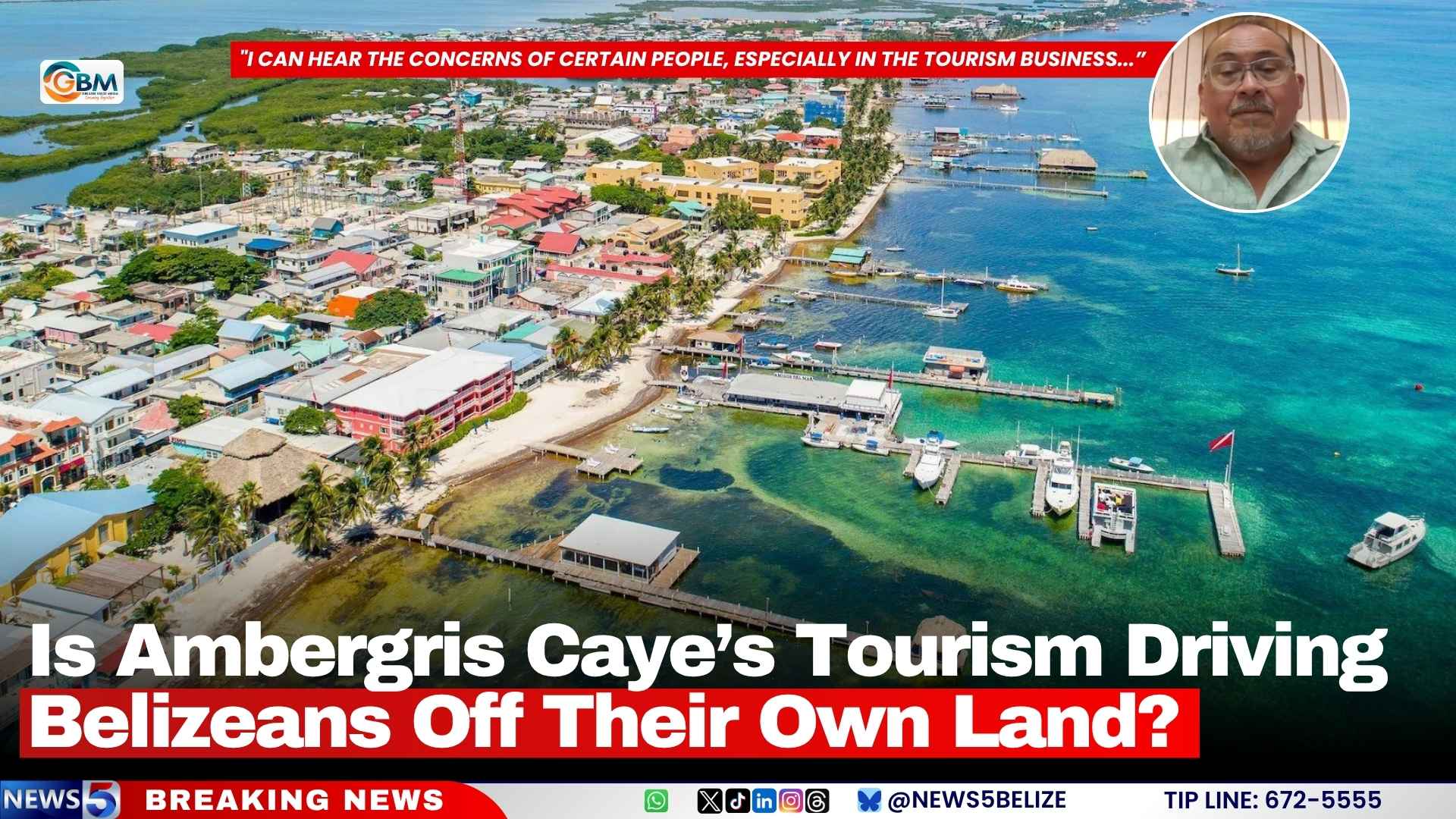
Nestled in the heart of Belize’s Caribbean coastline, Ambergris Caye has long stood as one of the country’s most popular tourist destinations, drawing thousands of annual visitors with its turquoise waters, coral reefs, and laid-back island culture. But as the tourism sector continues to expand at a breakneck pace, a growing public debate has emerged over who exactly benefits from this boom — and whether long-time local residents are being pushed off the land their communities built.
As of May 14, 2026, Andre Perez, the area’s elected representative, acknowledged publicly this week that large-scale development across the island has progressed “a bit too fast,” confirming that the national government has been “acutely aware” of the mounting pressures facing local communities. Despite this acknowledgment, construction activity shows no signs of slowing: cranes remain operational across the island, dredging work for new resort and residential projects continues, and new construction sites are still being cleared, particularly in the less developed northern stretches of the caye.
This unrelenting growth has forced an uncomfortable question into the public spotlight: Is the island’s main town of San Pedro being developed for native Belizeans, or exclusively for the foreign tourists that power its economy?
Perez pushed back against widespread claims that local residents are being priced out of the land market in an interview with local outlet News 5 on Wednesday. He pointed to a government initiative that has delivered more than 1,000 developed lots to first-time Belizean landowners as evidence that officials are still working to preserve access for locals. He argued that this program directly counters narratives of displacement, noting that young, first-time buyers now have clear pathways to secure property on the island.
“Everyone here, the new generation, first-time landowners, are getting the opportunity to get a piece of land,” Perez told reporters. “So that is actually counteracting those that are saying [they] are being outpriced.”
He added: “It remains on them to decide whether they want to sell or not, but they have been delivered in their hands a title that says they have a piece of Ambergris Caye.”
While the government frames its land initiative as a solution to affordability concerns, local residents argue that rising property values driven by tourism investment are about more than just upfront housing costs. The steady influx of outside capital and tourism-related infrastructure has gradually shifted the island’s cultural and economic identity, reshaping a community that was once built around local fishing and small-scale commerce into a hub catering almost exclusively to international visitors.
Many locals now worry that the same rapid growth that has boosted the island’s GDP will ultimately displace the intergenerational communities that gave Ambergris Caye its unique character. Perez acknowledged these growing anxieties this week, admitting that calls for a slowdown in development merit serious consideration.
“I can hear the concerns of certain people, especially in the tourism business,” Perez said. “Perhaps it’s time to look and say, ‘Let’s take a pause in development,’ because it’s going a bit too fast. So as a government, we are aware of it, acutely aware of it.”