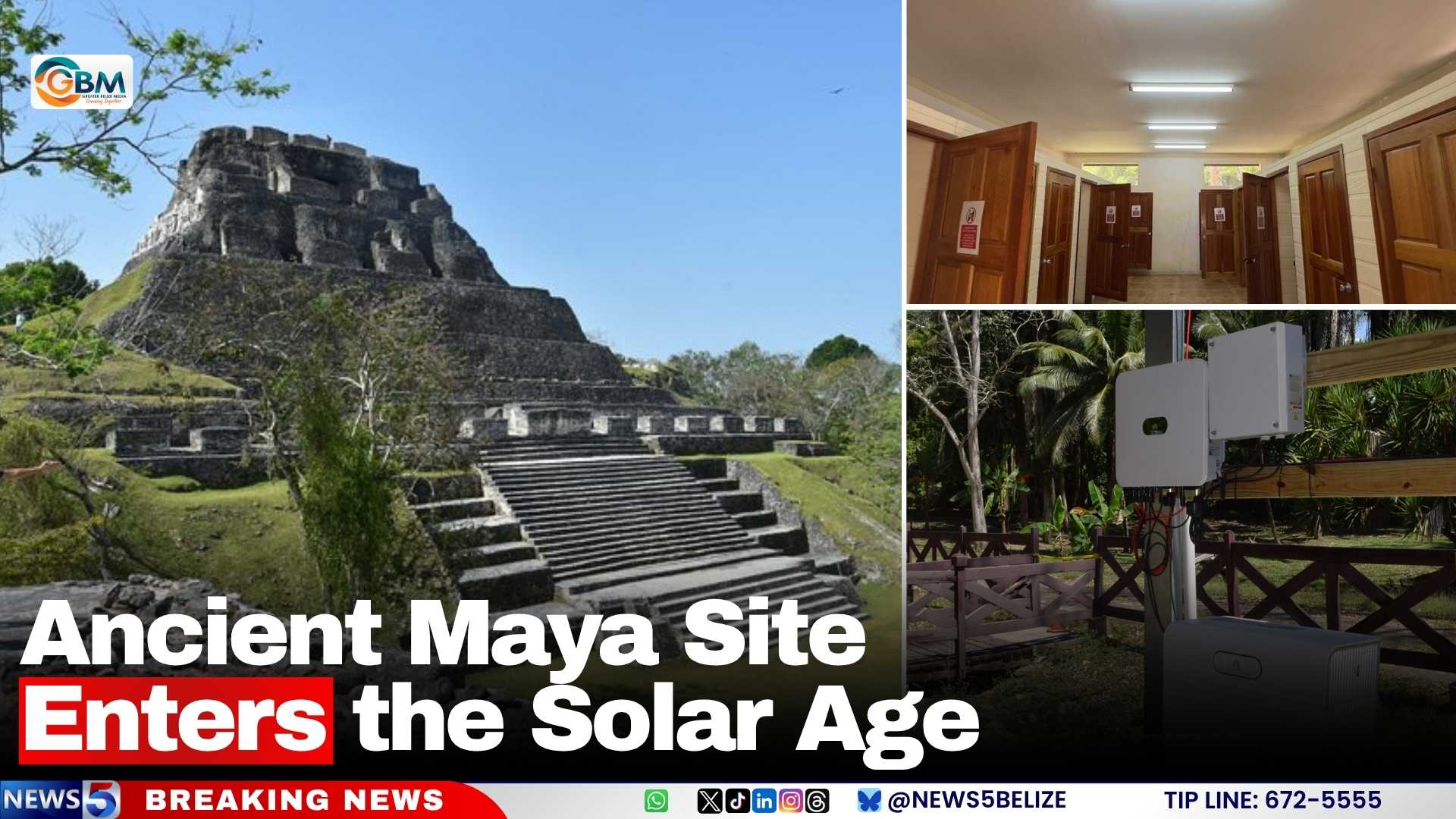
One of Belize’s most celebrated and frequently visited ancient Maya archaeological landmarks, Xunantunich, has marked a historic shift toward sustainable operation by connecting to a solar energy system for the first time since the site opened to visitors nearly 30 years ago. The new renewable energy infrastructure was formally commissioned as a collaborative project between Belize Electricity Limited (BEL) and the country’s National Institute of Culture and History (NICH).
This 100% clean solar system is engineered to meet all of the heritage site’s daily energy needs around the clock, powering every operational system from the entrance ticket scanners to site-wide lighting, communication networks, and administrative facilities. Beyond meeting current energy demands, the solar setup also paves the way for long-term upgrades, including the rollout of expanded e-ticketing services and more robust modern communication systems that will improve visitor experience.
Data from the project shows the system produces up to 1,500 kilowatt-hours of emission-free energy each month, a volume sufficient to power multiple average residential homes across Belize for the same period. As a top international tourist destination that draws archaeology enthusiasts and cultural travelers from every corner of the globe, the transition to solar has been described as a long-overdue milestone for the protected site. Both BEL and NICH emphasized that the project embodies the two institutions’ shared commitment to protecting Belize’s irreplaceable cultural heritage while advancing the country’s transition to renewable, low-carbon energy sources.