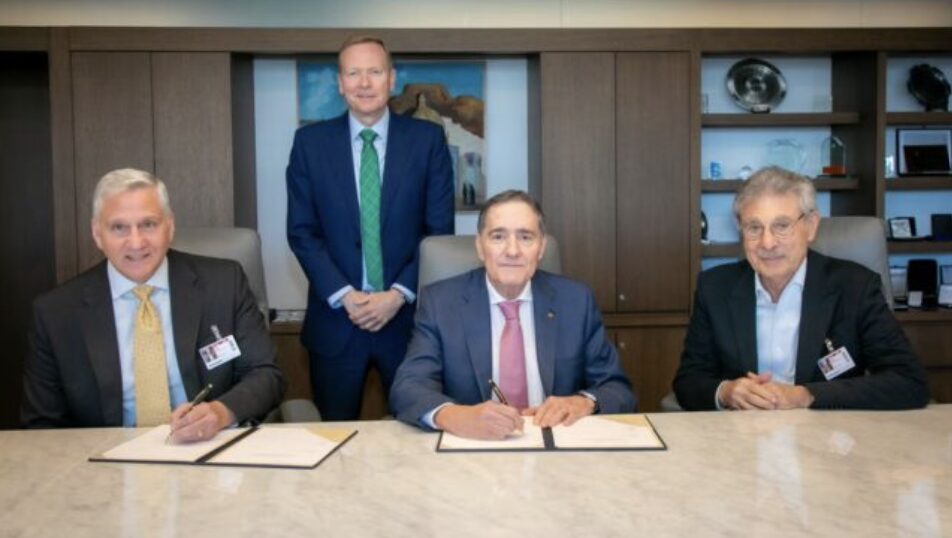
Against the backdrop of ongoing global circulation of high-risk zoonotic viruses such as avian influenza, the Pan American Health Organization (PAHO) has launched a landmark public-private partnership with Australian pharmaceutical firm CSL Seqirus to strengthen pandemic preparedness across Latin America and the Caribbean, ensuring more equitable and timely access to pandemic influenza vaccines when the next public health emergency strikes.
At the core of the new agreement is a pre-negotiated dose allocation mechanism that earmarks a fixed portion of CSL Seqirus’ global pandemic influenza vaccine production exclusively for participating PAHO member states. If a pandemic is declared, participating nations will immediately gain access to an initial pre-reserved pool of doses, eliminating the chaotic bidding wars and supply shortages that left many regions scrambling for vaccines during the height of the COVID-19 pandemic. This framework is built directly on hard-won lessons from the global COVID-19 crisis, which exposed deep gaps in regional preparedness and global vaccine equity, particularly for middle-income countries.
To add resilience to the regional supply chain, partial vaccine manufacturing will take place locally in Argentina in collaboration with domestic biotech firm Sinergium Biotech. This arrangement not only brings production closer to end users but also supports long-term growth of regional biomanufacturing capacity, a key priority identified in post-COVID-19 public health reforms. CSL Seqirus will lead global development of pandemic influenza vaccines and support technology transfer to regional partners, drawing on the company’s decades of specialized expertise in influenza research and large-scale vaccine production.
PAHO Director Jarbas Barbosa emphasized that the agreement marks a transformative shift for regional health security. “This agreement is a direct response to the hard lessons of COVID-19 and a major step forward in strengthening health security and pandemic preparedness across the Americas,” Barbosa said. “Through our Regional Revolving Funds, countries are joining forces to secure a reserved share of vaccine production, helping protect those at risk when it matters most.”
Barbosa added that for the first time, countries across the Americas are approaching future pandemic response as a unified bloc rather than fragmented individual markets, putting the region on far more equal footing with wealthy nations that typically outcompete lower and middle-income countries for limited global vaccine supplies. By pooling collective demand through PAHO’s Regional Revolving Funds, participating countries can negotiate better terms and ensure access even when global demand surges.
David Ross, Executive Vice President and General Manager at CSL Seqirus, called the partnership a model for proactive pandemic preparedness. “This agreement puts pandemic preparedness best practices into action, bringing together reserved doses, regional manufacturing capability, and a long-term public-private commitment,” Ross said. “We’re proud to establish this kind of partnership in Latin America and the Caribbean for the first time.”
Alejandro Gil, President and CEO of Sinergium Biotech, noted that the deal builds on more than a decade of collaboration between his firm, PAHO, and CSL Seqirus. Fifteen years of investment in infrastructure and workforce development have now positioned Sinergium to deliver high-quality vaccines to the region, aligning with PAHO’s regional public health strategies. “For Sinergium, it is a source of pride to be able to contribute in such a significant way to public health in the region,” Gil said.
The agreement, which followed a full year of negotiations and an international competitive procurement process, addresses a longstanding structural gap that has disadvantaged middle-income countries during global health crises. These nations often lack the purchasing power to secure early vaccine access from manufacturers, but are also excluded from the emergency support programs offered to the world’s poorest countries.
When a pandemic does occur, dose allocation from the reserved pool will be guided by real-time epidemiological data and formal risk assessments, with high-priority access guaranteed to the most vulnerable populations. PAHO officials stressed that this framework shifts the region from a reactive crisis response model to a proactive, pre-planned system that can cut through supply chain delays and global competition to deliver doses when they are needed most.
Public health experts have repeatedly identified animal-borne influenza viruses as one of the highest-risk pathogens for triggering the next global pandemic, making proactive preparedness for a pandemic influenza event a top global health priority. PAHO officials noted that this new agreement sets a precedent for regional cooperation that could be replicated in other parts of the world to improve global pandemic preparedness overall.