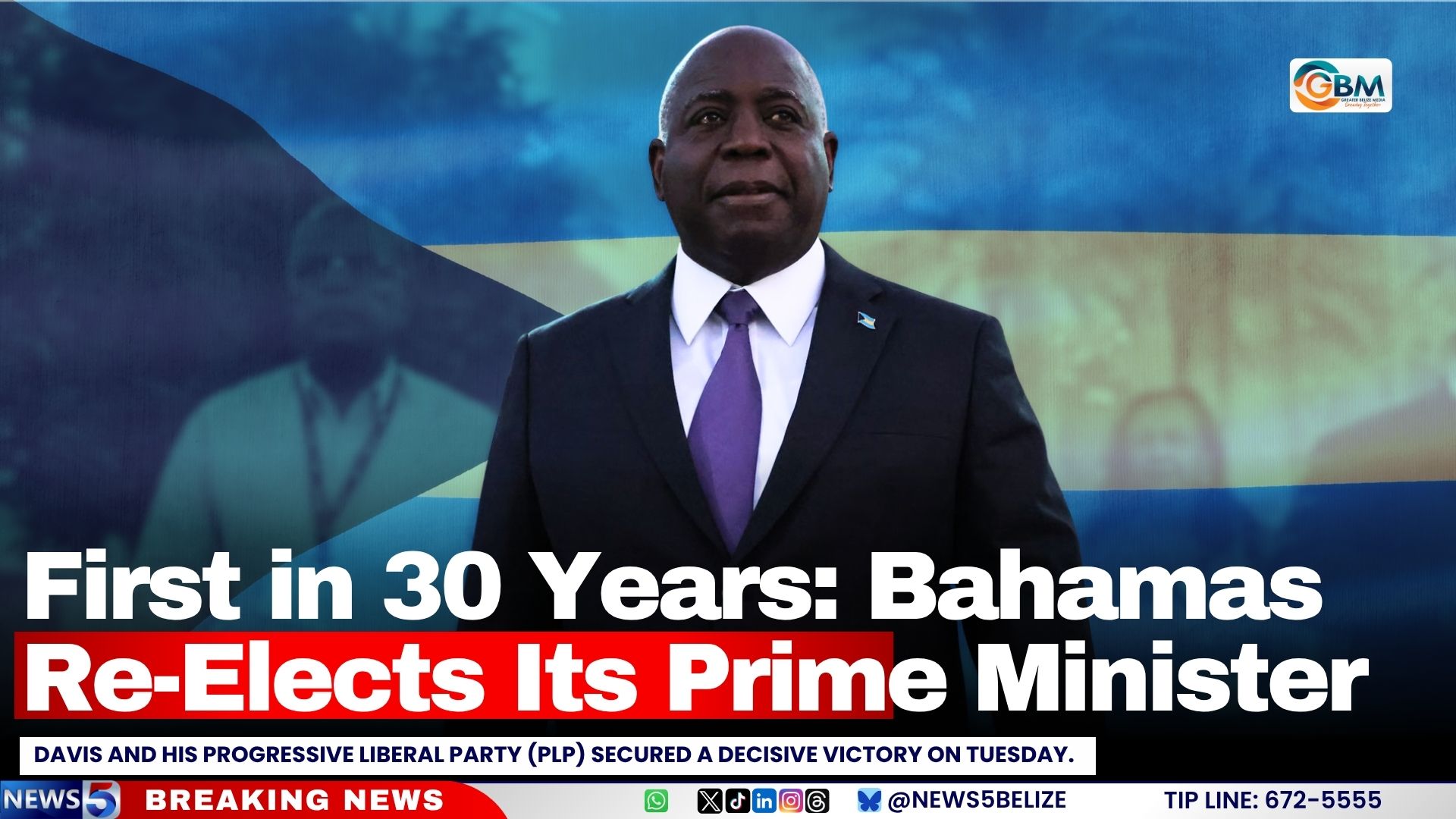
In a historic outcome that reshapes Bahamian politics, incumbent Prime Minister Philip Davis of the Progressive Liberal Party (PLP) has secured a decisive re-election victory, marking the first time a sitting leader has won back-to-back terms in nearly three decades. The snap vote, held on a Tuesday in May 2026 months ahead of the originally scheduled October poll, delivered a landslide for Davis and his party, which claimed more than 30 out of the 41 total seats in the national parliament. The early election was strategically called by Davis to avoid potential disruption from the annual Atlantic hurricane season, a decision that ultimately paid off for the ruling party. In his first public address following the confirmation of his victory, Davis struck a humble tone, acknowledging the will of the Bahamian people. “The Bahamian people have spoken, and I receive their verdict with humility and gratitude,” Davis said. “This victory is a mandate to keep moving The Bahamas forward, to expand opportunity, strengthen security, ease the pressure on families, and deliver progress across our islands.” The main opposition bloc, the Free National Movement (FNM), faced a devastating rout in the election. The party was projected to walk away with just 8 parliamentary seats, and both its sitting chair and deputy leader lost their bids for re-election. The losses extended to former Prime Minister Hubert Minnis, who was denied the FNM’s nomination for his long-held seat and launched an independent campaign to retain the post he had held for nearly 20 years. Minnis ultimately failed to secure enough support to hold the seat, closing a major chapter in the FNM’s recent history. Cost of living pressures dominated voter concerns throughout the campaign, with skyrocketing housing costs and stagnant wage growth emerging as the top issues driving Bahamian voters to the polls. Davis’ ability to address these public anxieties, paired with his strategic decision to call an early vote, cleared a path to his historic re-election, breaking a three-decade pattern of leadership turnover in the island nation.