In a critical proactive step to safeguard the Caribbean’s pork industry and food security, Dominica’s Ministry of Agriculture, Fisheries, Blue and Green Economy has teamed up with two leading agricultural bodies—the Inter-American Institute for Cooperation on Agriculture (IICA) and the United States Department of Agriculture (USDA)—to host a two-day African Swine Fever (ASF) sampling pilot between May 6 and 7, 2026.
Held at the Dominica China Agricultural Science Complex in Portsmouth, the pilot forms a core component of a broader regional program titled “Strengthening Surveillance and Response Capacity for African Swine Fever through Training and Sample Collection in the Caribbean Region”. Per an official press release outlining the initiative, the overarching goal is to lay the groundwork for robust ASF surveillance and response frameworks for both Dominica and the entire CARICOM trade bloc.
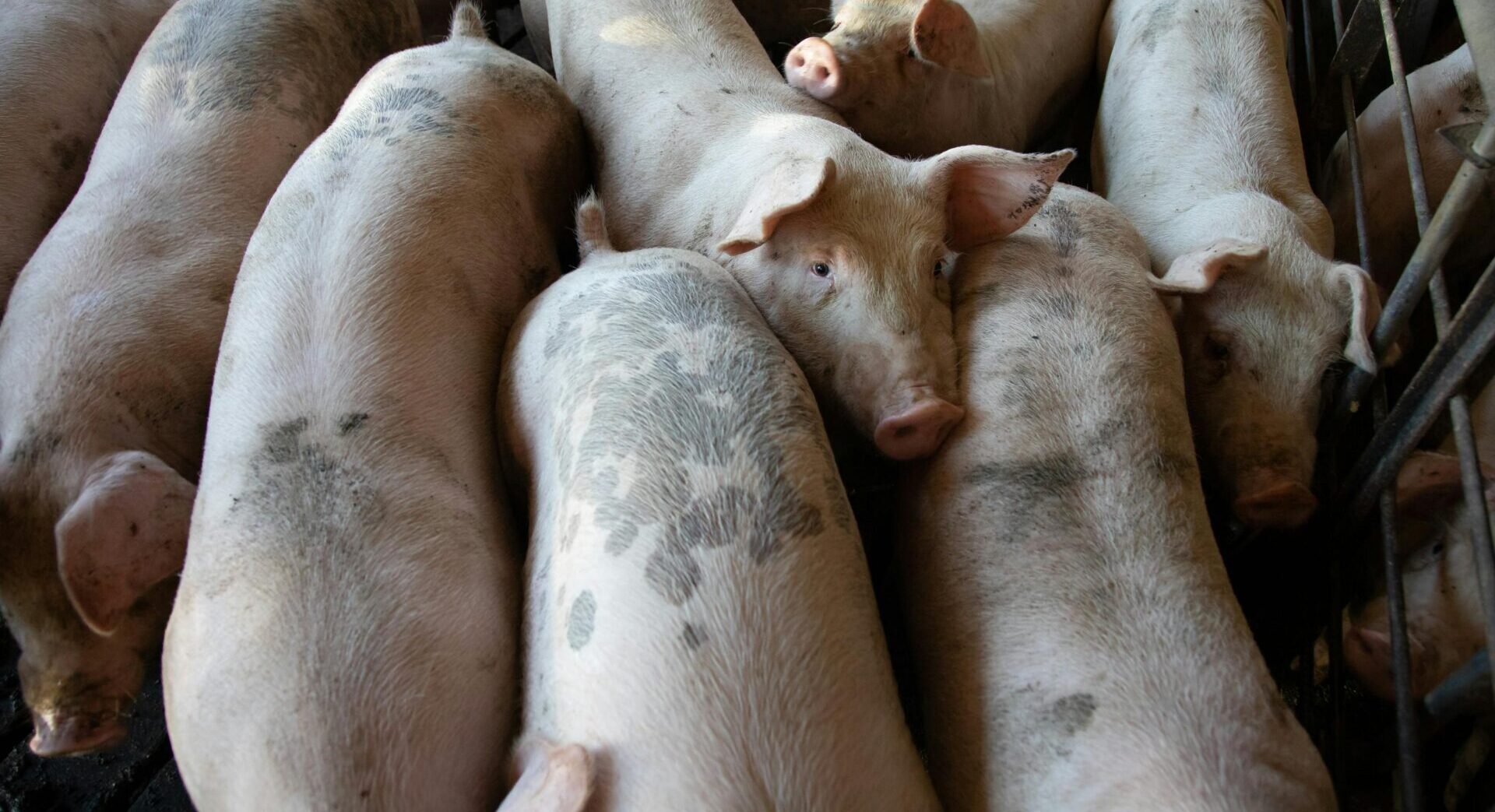
ASF is a notoriously deadly, highly contagious viral pathogen that targets both domesticated and wild pig populations, with a near-100% mortality rate for infected animals. While public health officials have confirmed the virus cannot jump to humans, its economic and food system impacts are severe: it puts entire national pig farming sectors at risk, undermines regional food and nutrition security, erodes the livelihoods of small-scale and commercial pig farmers, and disrupts cross-border agricultural trade.
Right now, regional authorities are on high alert. ASF outbreaks have already been officially confirmed in neighboring Dominican Republic and Haiti, and a combination of underregulated, porous borders, tightly interconnected regional economies, and limited veterinary infrastructure across many parts of the Caribbean leaves the entire CARICOM region facing a high risk of widespread transmission. Local and international stakeholders alike stress that early detection, enabled by standardized, proper sampling and accurate diagnostic testing, is the single most critical factor in preventing outbreaks, containing any spread that does occur, and eliminating the virus from affected areas entirely.
The first day of the pilot, Wednesday May 6, was dedicated entirely to hands-on technical training, running from 9:30 AM to 4:00 PM at the Dominica China Agricultural Science Complex’s One Mile campus in Portsmouth. A diverse cross-sector cohort took part in the training, including licensed veterinary professionals, animal health technicians, public sector laboratory staff, national quarantine officers, independent pig farmers, and representatives from both public and private agricultural organizations across the island.
Training modules covered a full range of core competencies needed for effective ASF response: from recognizing the key clinical signs of ASF infection in pigs, to step-by-step protocols for collecting diagnostic ear and blood swab samples, and safe handling practices for potentially contaminated materials. Trainees also received detailed instruction on field biosafety and biosecurity protocols, including hands-on guidance for the correct use of personal protective equipment (PPE) to prevent accidental spread during sampling activities.
Supplementing the technical skills training, participants also held working discussions on standardized regional ASF surveillance and response protocols, as well as best practices for correct packaging, temperature-controlled storage, and compliant cross-border transportation of diagnostic samples to testing facilities.
On the second day of the pilot, Thursday May 7, joint technical teams made up of staff from IICA, USDA, and Dominica’s national veterinary services traveled to targeted high-risk communities across the island. These priority locations included border zones close to other Caribbean nations and areas with particularly high concentrations of pig farming operations.
During this field practicum, the joint teams collected ear and blood swab samples from pigs in the selected high-risk sites. All collected samples have been prepared for shipment to the USDA National Veterinary Services Laboratory based at Plum Island, where full diagnostic testing will be conducted to confirm the presence or absence of the ASF virus.