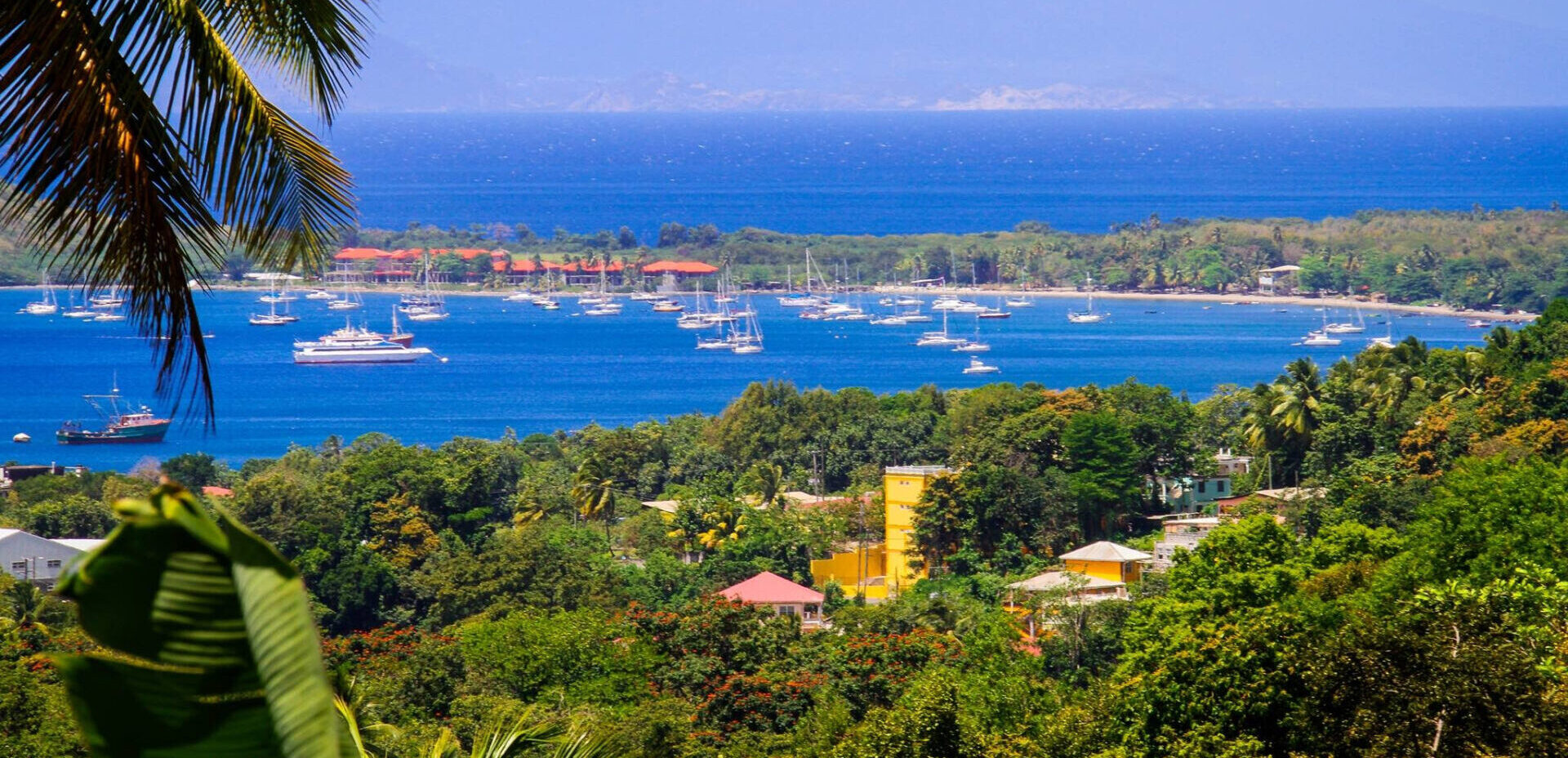
As the Caribbean nation of Dominica lays the groundwork to scale up its domestic geothermal energy capacity, a new long-term industrial vision has emerged for the northern coastal city of Portsmouth, centered on building a pilot green fuel production facility powered by zero-carbon geothermal electricity. This proposal, outlined in the final installment of a three-part investigative series by independent contributor McCarthy Marie, frames the green fuels project as a secondary strategic priority that would only move forward after Dominica meets its core national energy goal: expanding geothermal power to replace polluting diesel generation and speed up electric vehicle adoption across the island.
Marie notes that a viable geothermal resource has already been identified in the northern region of Dominica, creating the foundation for industrial development. If the country successfully expands its initial 10 megawatt geothermal capacity to 20 megwatts and strengthens its national grid to support new large-scale energy loads, the green fuels pilot becomes a technically realistic possibility. For operational flexibility, the industrial facility could run as a largely independent power producer using the northern geothermal field, with a backup connection to the national grid only for emergency contingencies.
To make the proposal accessible to non-technical audiences, Marie breaks down the basic science behind the three core products the facility would produce: green hydrogen, green ammonia, and medical oxygen. Unlike carbon-intensive hydrogen produced from fossil fuels, green hydrogen is created by splitting water molecules through electrolysis, a process powered entirely by renewable electricity. Green ammonia, in turn, is synthesized by combining that green hydrogen with nitrogen captured from the atmosphere. Ammonia already serves as a critical input for global fertilizer production and is emerging as a promising low-carbon fuel for the international shipping industry.
Unlike many industrial inputs, all key raw materials required for production are available locally on Dominica. The island’s abundant geothermal and hydropower resources provide the required zero-carbon electricity, fresh purified water supplies the water for electrolysis, and nitrogen for ammonia production can be captured directly from ambient air using small-scale, compact pressure swing adsorption or membrane air separation technology that can be installed on-site, eliminating the need for costly nitrogen imports.
One often-overlooked benefit of green hydrogen production that this project would leverage is the co-generation of medical-grade oxygen. For every 1 kilogram of hydrogen produced through electrolysis, approximately 8 kilograms of oxygen are created as a byproduct. This oxygen has immediate, high-value public benefits for Dominica: it would drastically strengthen the country’s medical oxygen supply resilience, improving hospital capacity and emergency preparedness for public health crises. If the facility scales up over time, surplus oxygen could also open new export opportunities for the island, provided logistics, certification, and market conditions prove favorable.
Structured around three core revenue streams, the Portsmouth facility would prioritize practical near-term use cases before pursuing larger commercial opportunities. Green hydrogen would first supply local industrial operations and small-scale pilot power projects, or serve as an intermediate input for ammonia production. Green ammonia would target two potential markets: as a domestic fertilizer input and as a maritime bunkering fuel for international shipping, but only if the project meets strict port safety and bunkering standards and proves financially viable. Medical oxygen would be reserved for domestic hospital use first, with exports considered only after meeting all local demand.
Marie emphasizes that the proposal follows a strict, cautious development framework: feasibility assessment first, pilot testing second, and large-scale scaling only if all preliminary checks confirm the project’s viability. Crucially, the green industrial project must not distract from Dominica’s urgent immediate goal of rapidly expanding geothermal capacity to displace diesel.
The concrete next step outlined in the proposal is a comprehensive feasibility study for the Portsmouth site, which will examine six core areas: total electricity demand for the pilot facility, water sourcing and purification requirements, safety protocols and storage infrastructure (especially for ammonia, which requires strict handling), alignment with international port handling and bunkering standards, identification of realistic off-takers starting with medical oxygen, and access to climate finance and resilience funding to cover pilot development costs.
If the feasibility study returns positive results, the Portsmouth project could mark a strategic turning point for Dominica, moving the country beyond energy sovereignty for electricity and road transport to build a more resilient, low-carbon industrial economy centered on sustainable maritime logistics. Marie stresses that development would proceed incrementally, prioritizing safety, financial viability, and alignment with the country’s core national priorities at every step.