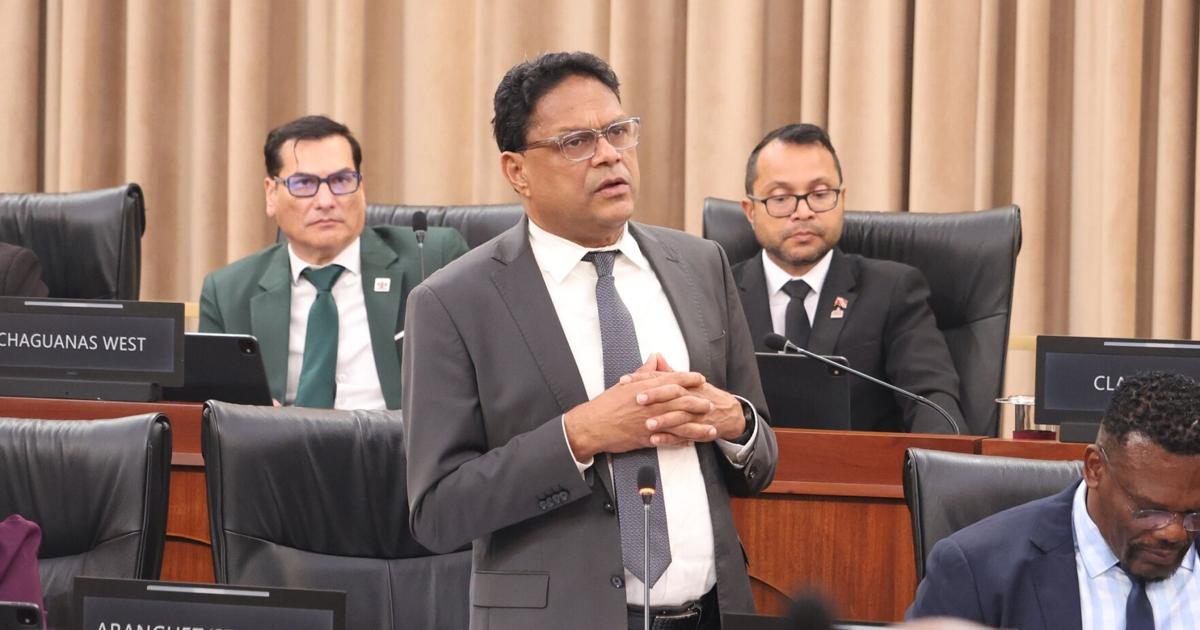
Trinidad and Tobago’s criminal justice system is poised for its most sweeping shift in how crime victims are treated, as Justice Minister Devesh Maharaj introduces a transformative, revolutionary Victims’ Rights Bill for its first reading in the national Senate on Monday.
For decades, victims of crime across the twin-island nation have reported systemic neglect: left uninformed of investigation progress, sidelined during court proceedings, and forced to wait years for tangible justice. The new legislation directly addresses these longstanding grievances by codifying a full suite of formal rights for victims, upending a justice system that has historically centered the rights of the accused. The bill redefines victims as active, recognized stakeholders in the legal process rather than passive bystanders, expanding the definition of a victim to include not only people directly harmed by a crime, but also immediate family members and witnesses, regardless of whether an offender is ever identified or convicted.
Key provisions of the landmark legislation mandate consistent, transparent communication from law enforcement and judicial bodies to victims. Police will be required to share regular updates on the status of investigations, while prosecutors must notify victims of all court developments: from initial charges and hearing schedules to case outcomes, appeals, bail decisions, and any protective conditions imposed on accused individuals. In high-stakes case decisions—including dropping charges, accepting plea bargains, or appealing sentences or acquittals—the Director of Public Prosecutions will be legally required to consult victims before finalizing a call. The bill also guarantees victims the right to attend court proceedings (barring specific judicial exceptions), formalizes the right to submit impact statements outlining the emotional, psychological and financial toll of a crime ahead of sentencing, and sets strict rules to minimize unnecessary contact between victims and accused persons to reduce intimidation and trauma.
A core priority of the legislation is addressing the widespread problem of secondary victimization, where survivors experience additional harm through insensitive interactions with police, court staff and legal processes. The bill requires all authorities to treat victims with dignity, compassion and respect, with accommodations tailored to individual needs including language barriers, disabilities and age. It also places strict limits on the public disclosure of victims’ personal identifying information, mandates the timely return of personal property seized for investigations, and guarantees access to information on existing support services ranging from counseling to legal aid. Victims also retain the right to appoint a representative to act on their behalf if they are unable to advocate for themselves.
On the compensation front, the bill consolidates existing fragmented support systems into a single, streamlined framework. It expands pathways for financial redress, allowing victims to pursue compensation directly from offenders through civil court claims, while opening access to state-funded compensation in cases where other mechanisms are not available. Currently, the Criminal Injuries Compensation Board provides this support, having disbursed roughly $1.2 million to eligible victims to date; the new bill brings this existing program under its comprehensive umbrella, along with victim voice provisions from the existing Criminal Procedure Plea Discussion and Plea Agreement Act.
To ensure accountability across all agencies that interact with victims, the legislation establishes a formal, multi-tiered complaints process. Victims can file grievances over inadequate treatment, seek remedies including formal apologies, explanations and corrective action, and escalate unresolved complaints to the national Ombudsman. The bill also requires mandatory training guidelines for all personnel working with victims—including police, prosecutors and support staff—to ensure consistent, sensitive and professional care, and mandates the Justice Minister submit a detailed public report to Parliament every two years, including data on complaints filed, services accessed, and overall program outcomes.
In an interview ahead of the bill’s debut, Maharaj acknowledged that the existing justice system suffers from a critical, long-standing gap: victims are routinely sidelined rather than prioritized as key stakeholders. He described the legislation as revolutionary, noting that it will accelerate the delivery of justice by embedding accountability into every stage of the legal process. While Maharaj acknowledged the reform will face early teething challenges, as agencies align their processes with the new requirements, he said the government will roll out comprehensive awareness and training programs to bring all stakeholders on board. He added that the government is already working to address broader systemic issues slowing justice delivery, including a massive case backlog, by expanding capacity for the DPP’s office with additional prosecutors and increasing the number of public defenders.