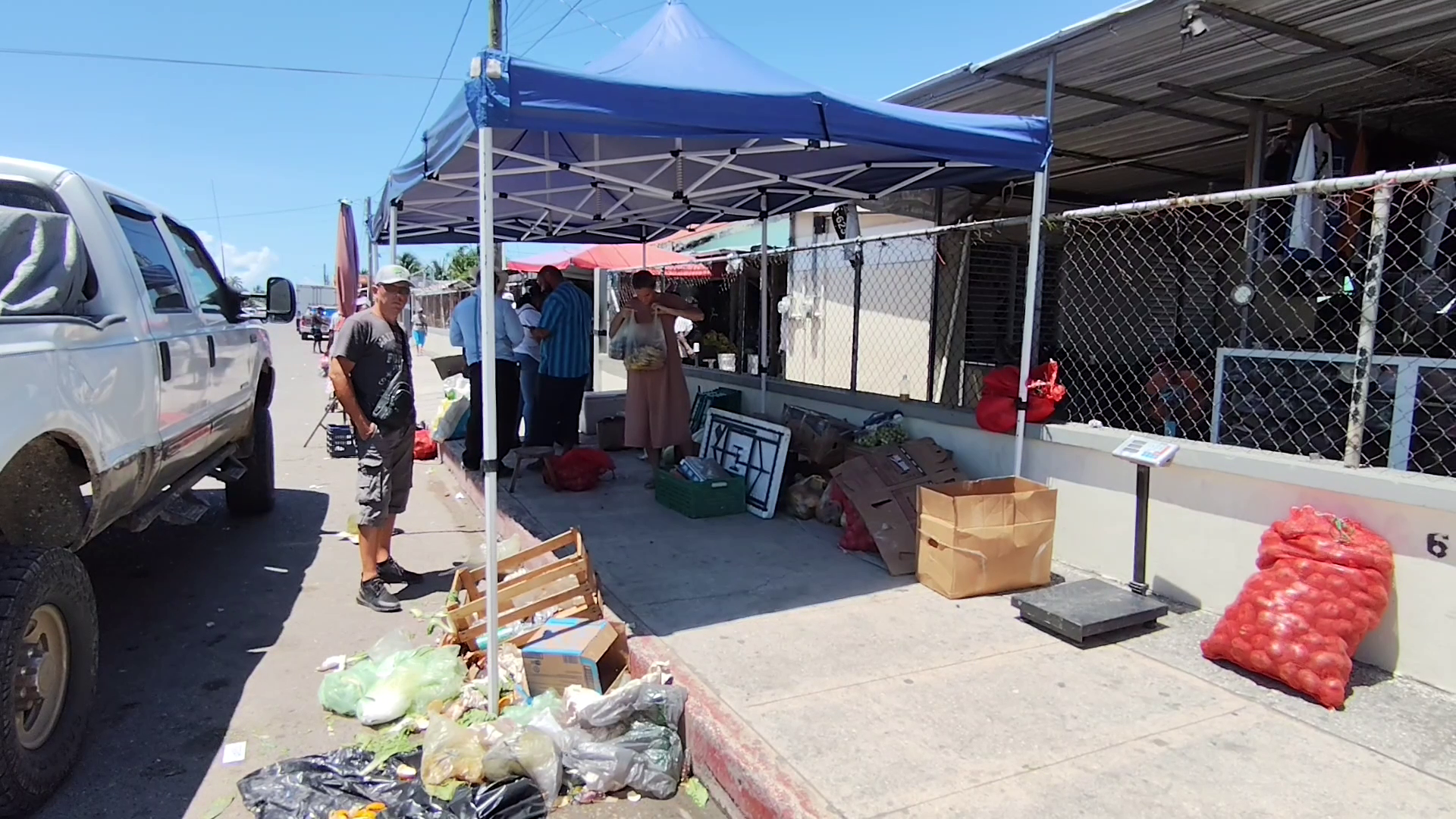
As Belize prepares for an unusually severe dry season forecast to bring well below average rainfall between June and August 2026, the Caribbean nation has rolled out its first proactive drought relief program – though gaps in coverage have left many small-scale producers grappling with uncertainty over their livelihoods and family stability.
The new “Anticipatory Action” initiative, a collaborative effort between Belize’s Ministry of Agriculture, the National Meteorological Service, and the World Food Program, aims to pre-emptively support vulnerable farmers before drought destroys their crops. Just weeks after the program was triggered by the grim rainfall forecast, 419 preselected farmers across the northern and western districts of Cayo, Orange Walk, and Corozal are set to receive one-time, no-strings-attached grants of 400 Belize dollars each, disbursed via Western Union. Unlike many government relief schemes, no repayment is required, and no spending receipts need to be submitted.
Andrew Mejia, Director of Extension at the Ministry of Agriculture, explained that the flexible funding is designed to let farmers address their most urgent drought preparedness needs. “They can buy whatever they need – drought-resistant seeds, fertilizers, small irrigation equipment,” Mejia said in an interview. “It’s not a large sum of money, but it will make a meaningful difference for Belize’s small farming operations. While we don’t require receipts for spending, our ministry will conduct follow-up check-ins to understand how the funds were used and whether the support helped farmers weather the coming drought.”
To qualify for the aid, farmers must be registered in the national Belize Agriculture Information Management System, operate plots between half an acre and three acres, and reside in one of the three targeted districts. Even with these clear eligibility rules, many small producers across the country have been excluded from the first round of support, leaving them to cope with soaring input costs and dry conditions on their own.
Abner Cienfuegos, a small farmer who has received support from a separate government program in the past, told reporters that the current dry conditions have already taken a heavy toll on his crops. Increased watering to keep plants alive has pushed up his gas costs dramatically, at a time when global fuel prices are already at record highs. Even as production costs surge, Cienfuegos said he cannot raise produce prices at local markets, where shoppers demand the lowest possible rates.
What has kept Cienfuegos going through the dry spell without access to the new anticipatory aid is the mentorship of Alberto Villanueva, a 40-year veteran of farming in Belize. Villanueva, however, says he has not received any government cash assistance recently, even though he qualifies for support in principle. The veteran farmer emphasized that the need for aid is acute: during drought years, production drops sharply, so extra cash is critical to covering household bills and keeping operations afloat. “It would always be helpful for our family to maintain our bills and everything,” Villanueva said. “Yes, we do need the cash.”
For other farmers, the barrier to aid is simply lack of awareness of the program. Alex Spice, a small producer in Lower Barton Creek, pays official monthly farm taxes and is registered with the government, but had never heard of the Anticipatory Action plan. Spice, who says he prefers to earn his living through his own work rather than seeking government support, supplements his farm income by importing produce from Mexico during lean dry seasons – a safety net that many of his neighbors do not have.
“I’m really not familiar with all these programs,” Spice explained. “I try to make my life with my hands, and I don’t go around asking for support. I don’t even know if I’m eligible for any of these programs.”
Other farmers report repeatedly being locked out of government support, even when they meet eligibility requirements. A Stann Creek district farmer told News Five that he has missed out on multiple relief programs over the years, while many others struggle to complete the registration and outreach steps required to access available funds. The Ministry of Agriculture advises unregistered farmers to sign up for the national information system and contact a local extension officer to access future support, but for farmers already juggling drought stress and rising costs, completing those steps is far from straightforward.
As the dry season approaches, the gap between limited government aid and widespread need has left many of Belize’s small farming communities wondering whether they will be able to keep their operations running and support their families through the coming months. While the new anticipatory program marks a milestone in proactive disaster response in the Caribbean, many producers are still waiting for the support they say they desperately need.