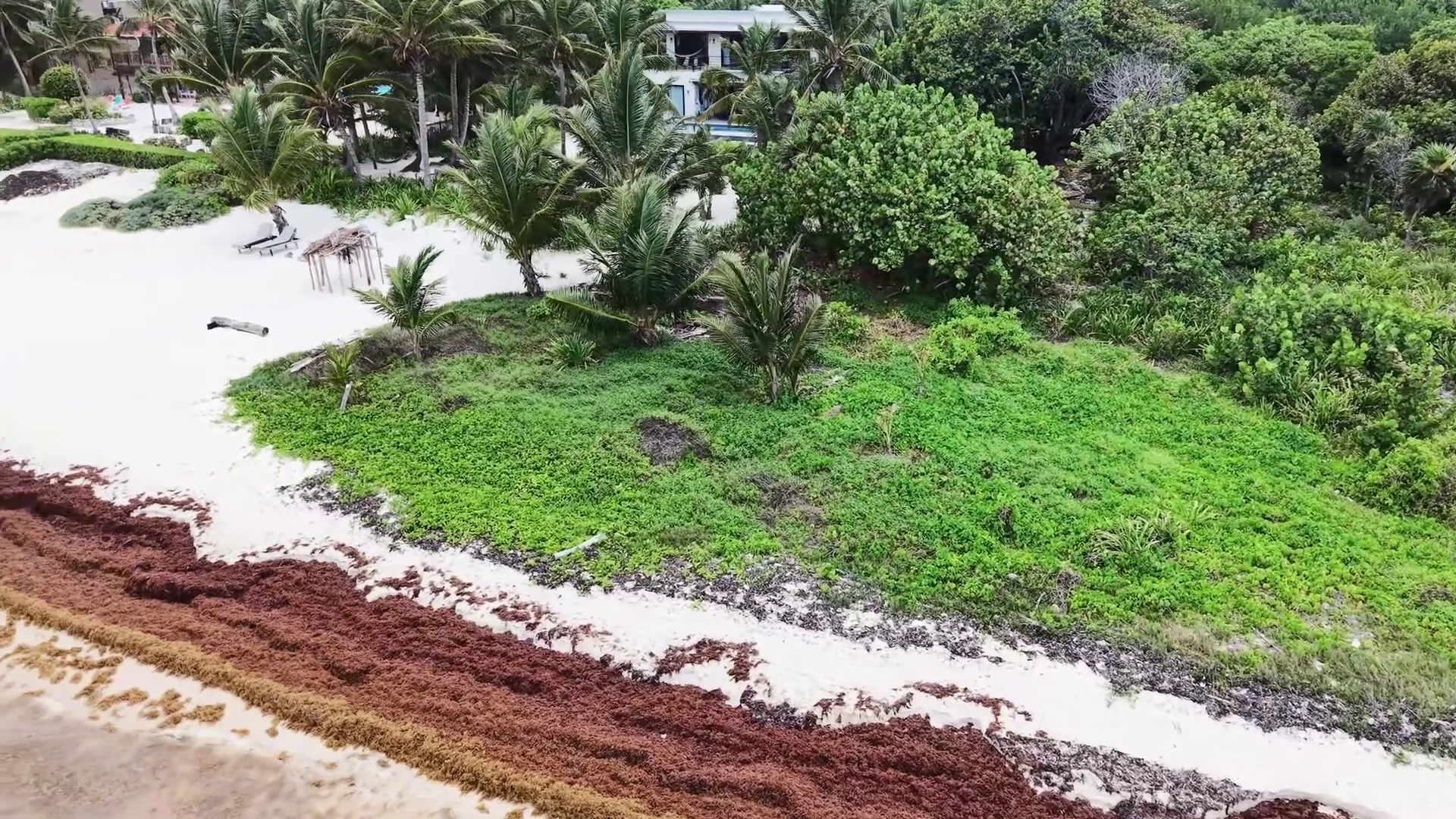
As seasonal sargassum blooms once again wash onto Belize’s Caribbean coastlines, the nation’s tourism industry has rejected reactive panic in favor of urgent, collaborative action to protect its core economic driver. The Belize Tourism Industry Association (BTIA) announced this week that industry leaders and national government agencies have already begun coordinated talks to scale up cleanup operations and build a more robust long-term response to the recurring environmental challenge.
Efren Perez, president of BTIA, emphasized that stakeholders are prioritizing speed and collaboration to mitigate damage to Belize’s global reputation as a top beach and eco-tourism destination. Unlike past years where disjointed responses allowed public perception of widespread beach fouling to hurt bookings, this year industry operators are collecting on-the-ground feedback from coastal hotels and tour companies to share directly with government partners, ensuring response efforts target the hardest-hit areas first.
Perez clarified that sargassum influxes are not an isolated problem for Belize, but a growing regional environmental crisis impacting multiple Caribbean nations. Many neighboring countries continue to struggle with ongoing maintenance and long-term impact mitigation, leaving their tourism sectors vulnerable to booking drops and customer dissatisfaction.
For Belize, the most immediate risk is not just the environmental impact of accumulated seaweed on beaches and marine ecosystems, but the reputational damage that comes from widespread public assumption that coastlines are completely overtaken by sargassum. Perez noted that local hoteliers have already reported canceled reservations and a slowdown in new bookings driven by this misperception, making a fast, visible response critical to reversing the trend.
BTIA has already initiated formal discussions with three key government bodies: the Ministry of Tourism, the Ministry of Blue Economy, and the Ministry of Environment. The working group’s immediate priorities are expanding daily cleanup operations along high-traffic tourist beaches, developing clear public communication to update visitors on current conditions, and exploring long-term strategies to reduce the impact of future annual sargassum blooms. The collective goal remains unchanged: preserve Belize’s appeal as a world-class tourist destination and protect the thousands of livelihoods that depend on the sector through the peak travel season.