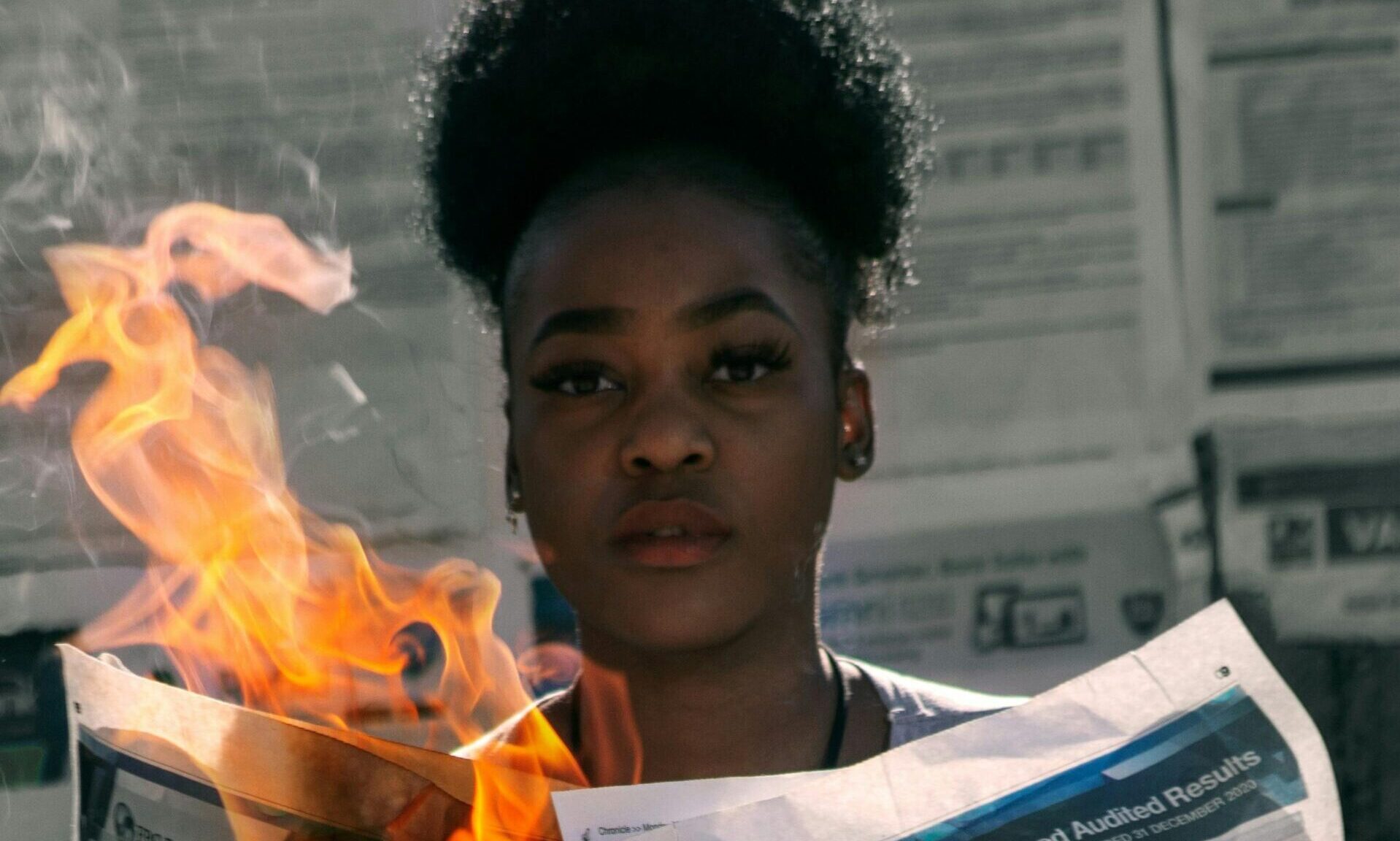
As the world marks World Press Freedom Day 2026 on May 3, the latest annual assessment from Reporters Without Borders (RSF) delivers a stark warning: global press freedom has declined to its lowest point in two and a half decades, with more than half of all nations now categorized as having either “difficult” or “very serious” conditions for independent journalism.
The iconic American journalist Walter Cronkite once summarized the inseparable link between a free press and democratic governance: “Freedom of the press is not just important to democracy, it is democracy.” Decades later, that statement carries new urgency as the global retreat of press freedom accelerates. Journalists across every region face growing rates of imprisonment, targeted harassment, and heightened scrutiny of their work, while heavy-handed state regulation of media activity signals deepening democratic erosion. When press rights are curtailed, it is always the general public that bears the greatest cost, as independent oversight of power and access to unbiased information are eroded.
First introduced decades ago, RSF’s World Press Freedom Index evaluates the state of press freedom across 180 countries and territories. The framework defines press freedom as the ability of journalists to carry out their work independently, free from political, economic, legal, or social interference and without threats to personal safety. It scores countries based on five core indicators: the surrounding political context for media, the legal framework governing journalism, economic conditions for media workers, the broader socio-cultural environment, and on-the-ground safety for reporters.
Observed annually on May 3 and formally established by the United Nations General Assembly in 1993, World Press Freedom Day serves two core purposes: it is a day to stand in solidarity with media outlets facing censorship or attempts to shut down independent reporting, and a moment of remembrance for journalists who have lost their lives while pursuing the truth. The day also acts as a global checkpoint to celebrate the foundational principles of press freedom, assess global conditions for independent journalism, defend media independence from targeted attacks, and honor reporters killed while practicing their profession.
This year’s theme, “Shaping a Future at Peace,” aligns with the UN’s stance that independent, free media and press freedom underpin global peace, equitable economic recovery, sustainable development, and the protection of human rights by enabling access to reliable information, strengthening accountability, fostering constructive public dialogue, and building public trust. Today, that work is facing unprecedented new threats: malicious actors are leveraging artificial intelligence to spread disinformation and manipulate public discourse, eroding public trust in media and undermining national security. At the same time, independent media outlets face growing economic instability that threatens their survival. The RSF report notes that self-censorship among journalists has risen by more than 60% globally, driven by fear of retaliation, coordinated online harassment, judicial intimidation, and crippling economic pressure. Against this backdrop, World Press Freedom Day 2026 provides a critical opportunity to reaffirm global commitments to freedom of expression, and to align actors across journalism, technology (including the AI sector), and human rights groups around actionable solutions to strengthen resilient, independent information ecosystems for the future.
One of the most alarming trends highlighted in the 2026 index is the accelerating criminalization of journalism across the globe. Anne Bocande, a representative from RSF, emphasized that existing international protection mechanisms for journalists are no longer adequate, as international law is increasingly undermined and cases of violence against journalists go unpunished with widespread impunity. The erosion of journalistic independence and increasing suppression of core press principles are the central findings of the 2026 index.
Regional performance varies widely across the Americas and beyond. Jamaica ranked 26th out of 180 countries, holding a relatively strong regional standing but continuing a years-long downward slide: it fell from 24th place in both 2024 and 2025, and from a top-10 ranking in 2020, with growing concerns over journalist safety and declining government transparency driving the drop. Trinidad and Tobago fell 13 places to rank 32nd; while the country still holds an overall “good” rating for press freedom, worsening economic and political conditions have eroded its media environment. Canada placed 20th, while the United States ranked 64th. At the lower end of the index, Russia ranked 172nd, China 178th, North Korea 179th, and Eritrea ranked last at 180th. In the Caribbean, Guyana slipped three spots to 76th, with an overall score of 59.58 (down from 60.12 in 2025), placing its media environment in the “problematic” category. Haiti ranked 107th, with a global score of 50.32, landing it in the “Difficult” category, reflecting a ongoing, severe crisis for independent journalism in the country. Burkina Faso ranked 110th overall. For the tenth consecutive year, Norway held the top spot on the index, with the Netherlands and Estonia rising to second and third place respectively, leading a top tier dominated by Nordic and Baltic nations with strong protections for press freedom.
As the global community gathers to mark World Press Freedom Day 2026, the occasion serves as a urgent reminder to governments worldwide to uphold their formal commitments to protecting press freedom. It is also a moment for media professionals to reflect on the challenges facing press freedom and core ethical standards of their work. In the words of former U.S. President Barack Obama: “we have to uphold a free press and freedom of speech because, in the end, lies and misinformation are no match for the truth.”
This commentary is from Wayne Campbell, an educator and social commentator focused on how development policies shape culture and gender equity, and does not represent the views of Duravision Inc., Dominica News Online, or any of its affiliated brands.