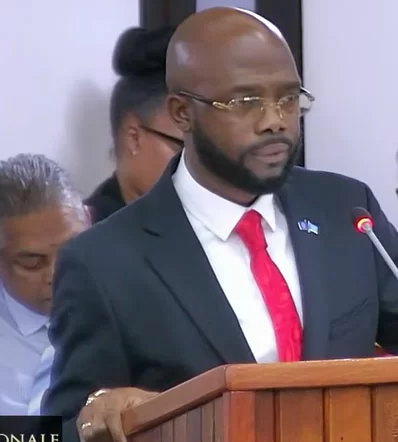
Suriname’s healthcare system is grappling with intense systemic pressure driven by a steady exodus of trained healthcare personnel, a crisis that Health Minister André Misiekaba has publicly acknowledged in official remarks. According to Misiekaba, the shortage of specialized nursing professionals is particularly acute, creating a bottleneck that prevents the country from fully utilizing critical healthcare infrastructure, including operating theaters and intensive care units.
Speaking before the National Assembly of Suriname, Misiekaba emphasized that the nation cannot resolve its immediate staffing gaps without support from foreign healthcare workers. Currently, around 70 Filipino medical staff are already working at the Academic Hospital Paramaribo, where they have been deployed specifically to offset critical staffing deficits across the facility.
To expand this short-term relief, the Ministry of Health is currently in active negotiations with a United States-Canadian recruitment firm. The proposed partnership would see the company supply qualified physicians, medical specialists, and specialized nurses to multiple healthcare facilities across Suriname, including the Mungra Medical Center and regional public hospitals that have also reported crippling staff shortages.
Beyond addressing immediate gaps with foreign personnel, the government is pursuing long-term measures to retain local healthcare workers and grow the domestic workforce. One key priority is rolling out a revised salary scale for nurses, designed to boost compensation for local medical staff and bring their earnings in line with a more sustainable, reasonable income level. The government is also exploring targeted housing solutions to reduce the financial burden on nursing professionals, another step to improve retention of locally trained staff.
To grow the domestic talent pipeline, the government also plans to expand existing nursing and medical training programs. In addition to upgrading current training offerings, the ministry will launch a pilot nursing education program in the Marowijne district, aimed at training new generations of local healthcare workers to meet the country’s long-term care needs.