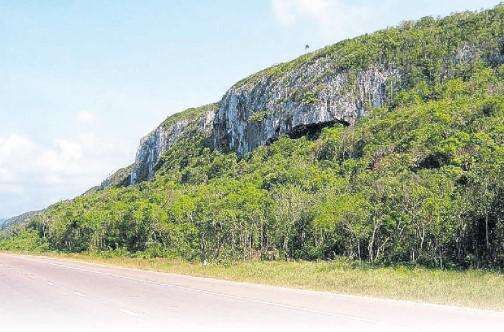
KINGSTON, Jamaica — In a watershed decision that has reshaped the conversation around environmental governance and constitutional rights in the Caribbean nation, Jamaica’s Constitutional Court has struck down a 2020 environmental permit issued to Bengal Development Limited for a planned limestone mining operation in St Ann’s ecologically fragile Dry Harbour Mountains. The court ruled the permit unconstitutional, void, and legally unenforceable, a decision that has drawn swift praise from opposition leadership.
Omar Newell, the Opposition Spokesperson on Environment and Climate Resilience, framed the ruling as a transformative win not just for local communities, but for all Jamaicans who advocate for a balanced approach to progress that prioritizes environmental protection over unregulated development. Speaking in an official statement released the same day the ruling was handed down, Newell emphasized that the judgment rejects the long-held narrative that economic growth must come at the cost of public health, natural ecosystems, and constitutionally protected rights.
What makes this legal outcome particularly historic is that it marks the first time Jamaica’s judiciary has adjudicated on the environmental rights clause enshrined in the country’s Charter of Fundamental Rights and Freedoms, setting a binding precedent that will shape future environmental legal battles across the island.
Newell reaffirmed that his party, the People’s National Party (PNP), has stood in firm opposition to the mining project since its earliest stages. As far back as November 2020, the PNP publicly denounced the then-administration’s plan to issue a provisional mining permit, sounding the alarm over the severe risks the project posed to the Dry Harbour Mountains — one of Jamaica’s most ecologically sensitive regions, home to unique biodiversity and critical watershed systems that supply water to communities across the area.
“This historic ruling affirms that every person in Jamaica holds a constitutional right to a healthy and productive environment,” Newell said. “This judgment belongs to the residents of St Ann, who showed immense courage in standing up to powerful interests to protect their homes and way of life. It is a victory for every Jamaican who believes in sustainable development, open governance, and accountability from our public institutions.”
Beyond celebrating the ruling, Newell used the moment to highlight a critical gap in Jamaica’s environmental regulatory framework. The judgment, he argued, lays bare the urgent need for stronger, politically independent environmental oversight that can make decisions based on scientific evidence rather than political pressure.
“Jamaica can no longer rely on ministerial discretion to safeguard our natural heritage. We need an independent environmental protection agency, fully empowered to make evidence-based decisions that serve the national interest,” Newell explained. “Our environmental future, and the natural resources we leave for coming generations, depend on building strong, credible institutions with the authority to protect what matters most to all Jamaicans.”