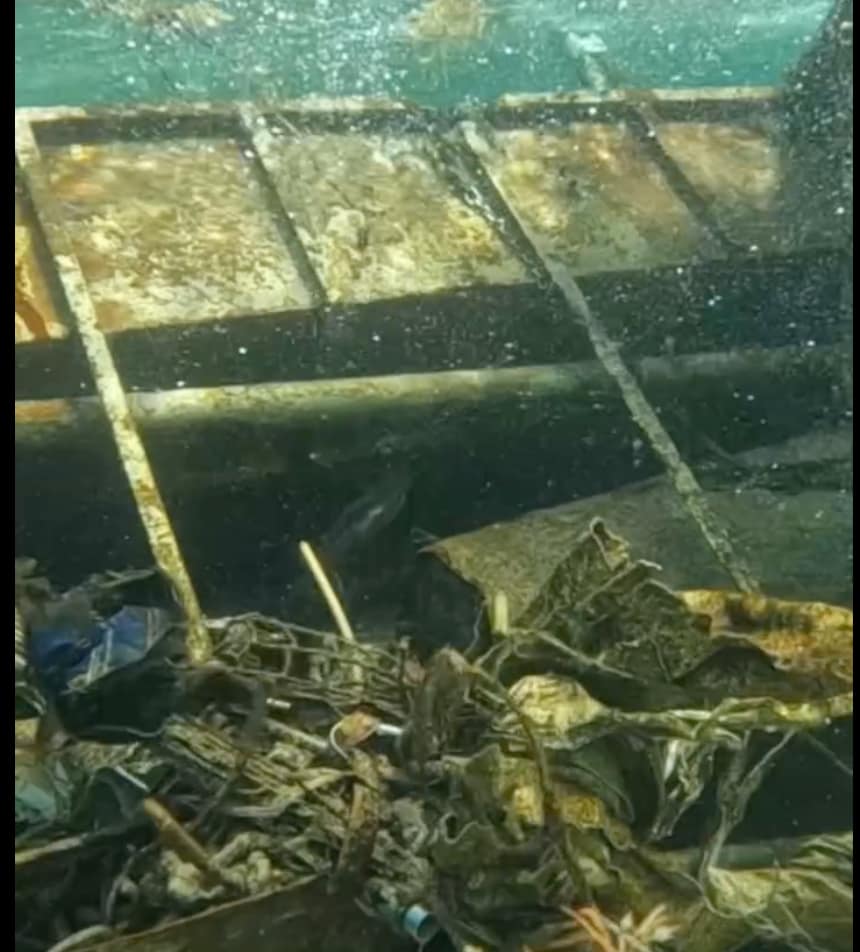
Off the quiet shoreline of Barbuda, a coalition of volunteer divers has completed a targeted marine cleanup that pulled nearly 300 pounds of discarded debris from the sunken wreck of the yacht *Jonah*, in a critical push to safeguard the fragile coral reef system surrounding the site. For months, the wreck had accumulated all manner of waste, most dangerously abandoned fishing gear known as “ghost nets” – a pervasive marine pollutant that continues to entangle, injure, and kill fish, sea turtles, and other marine organisms long after they are discarded by fishing operations. These tangled nets had already wrapped around large sections of the nearby reef, putting additional stress on a ecosystem already grappling with global threats like rising ocean temperatures and acidification.
The cleanup effort brought together 16 experienced free divers and snorkelers, who spent multiple hours navigating the wreck site to extract trapped waste. Divers ferried each bag of collected debris from the seabed up to waiting support boats on the surface, working carefully to avoid damaging living coral during the process. What made the initiative particularly notable was the heavy involvement of emerging local conservation leaders: nine young eco-divers from Antigua joined the expedition, alongside professional boat crew, rounding out the total 18-person team. Organizers have publicly highlighted the dedication and hard work of these young participants, noting that their presence signals a growing shift toward youth leadership in global marine conservation.
The project was a community-led collaboration, with in-kind support from local tourism and marine conservation groups including Adventure Antigua and the Barbuda Ocean Club. Financial backing for the cleanup came from the Global Environment Facility Small Grants Programme (GEF SGP) operating in Antigua and Barbuda, which funds grassroots environmental initiatives across the region.
Coral reefs, often called the “rainforests of the sea,” support more than 25% of all known marine biodiversity despite covering less than 1% of the ocean floor. Today, these critical ecosystems face unprecedented pressure from a range of threats: plastic and chemical pollution, manmade climate change that drives ocean warming and coral bleaching, and destructive overfishing practices. Local, small-scale cleanup projects like this one do not solve the systemic challenges facing coral reefs, but they do address immediate, localized hazards that prevent reef recovery, while building community momentum for larger, long-term restoration efforts. Video footage of the cleanup was provided by the Antigua Barbuda Ocean Trust.