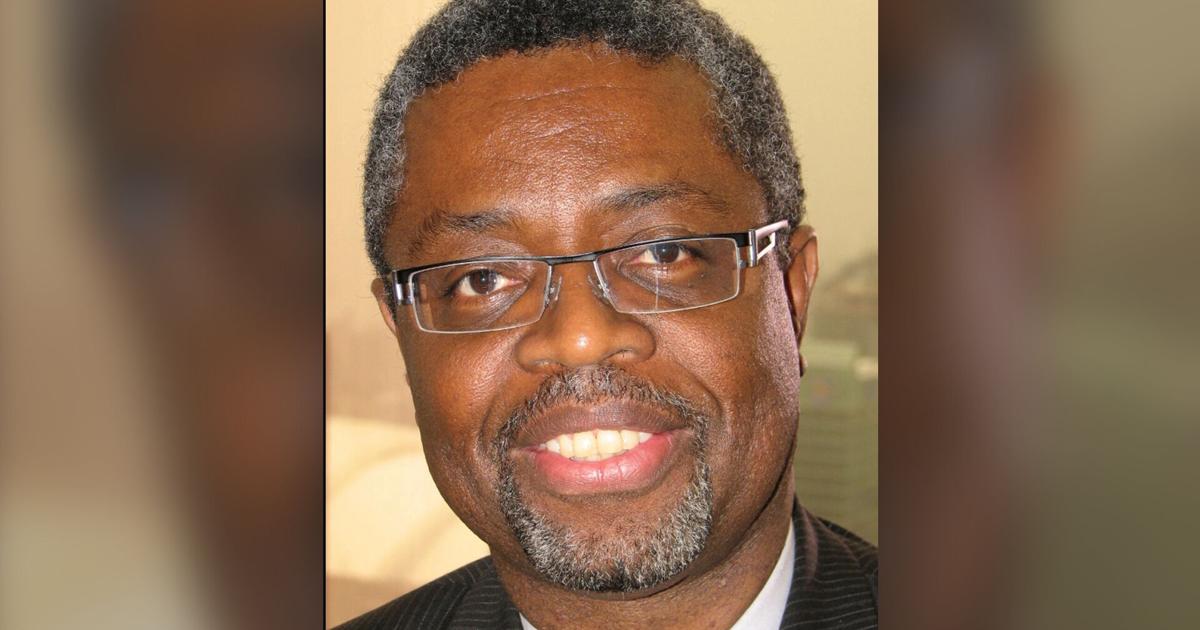
Against the backdrop of shifting global political tides, a leading international relations scholar has sounded a urgent alarm over the strategic choices shaping Trinidad and Tobago’s foreign policy. Dr. Andy Knight, speaking at the weekly Movement for Social Justice (MSJ) Tuesday Talk forum hosted by MSJ leader David Abdulah, argued that the current close alignment of Prime Minister Kamla Persad-Bissessar’s administration with U.S. President Donald Trump carries significant long-term risks that the small Caribbean nation cannot afford to ignore.
At the core of Knight’s warning is the unpredictable nature of American political cycles, which stand in sharp contrast to the stable long-term relationships small states depend on for their security and economic prosperity. “Right now, we see one or two Caricom nations tying their fate to a sitting U.S. president, but leaders in these capitals need to remember that no presidential term lasts forever,” Knight explained. He noted that even before the next presidential election, midterm congressional shifts could easily turn the sitting president into a lame duck, drastically limiting their ability to deliver on any informal or formal commitments made to Caribbean allies.
For a country like Trinidad and Tobago, which relies heavily on consistent, mutually respectful diplomatic ties to sustain its trade and security, this overalignment could leave the nation exposed when the inevitable leadership change occurs in Washington. “When you hitch your entire wagon to a single president, you set yourself up for long-term harm,” Knight emphasized. “If a new administration takes power in the next U.S. election, your close ties to the previous president could leave you on the wrong side of Washington, with few paths to repair the damage. That’s an existential threat for a small state that can’t afford to burn diplomatic bridges.”
Knight also pointed out growing unease across the Caribbean Community (Caricom) over Trinidad and Tobago’s close adoption of U.S. security priorities, noting that regional rifts have already begun to emerge. One high-profile example he cited was Venezuela’s decision to suspend energy cooperation with Trinidad and Tobago shortly after a U.S. warship was deployed to the region, a move that illustrates how quickly alignment with a major power can trigger damaging diplomatic and economic tension with neighboring states.
This reality, Knight argued, underscores the need for Trinidad and Tobago to prioritize both major power relations and regional integration. The nation maintains extensive trade and people-to-people ties across the Caribbean, and a breakdown of those relationships would carry severe economic and political consequences. “The smarter long-term play is to align your national interests with your Caribbean neighbors,” he said. “If regional partners grow frustrated with your choices and scale back cooperation, Trinidad and Tobago will find itself in an extremely difficult position.”
Adding another layer of risk is Trump’s well-documented unpredictability, Knight argued. Even in the short term, there is no guarantee that the current favorable alignment will hold: “We have no certainty that this president will maintain his support for Trinidad and Tobago, given how fickle he has proven to be. He can reverse course on past allies in an instant, which would leave the nation isolated almost overnight.”
Instead of tying the nation’s future to Washington, Knight argued that all Caribbean states should pursue a more balanced, independent foreign policy that preserves regional autonomy and unity. “We shoot ourselves in the foot when we tie our entire future to one individual or one single administration,” he said. “The entire region needs to think strategically about how to protect its sovereignty, strengthen regional cohesion, and avoid being left vulnerable when the inevitable shifts in global politics occur.”