As global outbreaks of vaccine-preventable diseases (VPDs) and the resumption of unrestricted international travel expose long-dormant gaps in population immunity across the Caribbean, Barbados has launched an urgent push to strengthen its national immunization framework and disease surveillance systems to fend off renewed public health threats. Though the island nation built a decades-long reputation for successful VPD control through consistent vaccination programs, health leaders confirm the country is now working to reverse recent declines in coverage and rebuild robust defenses against high-risk pathogens like measles and polio.
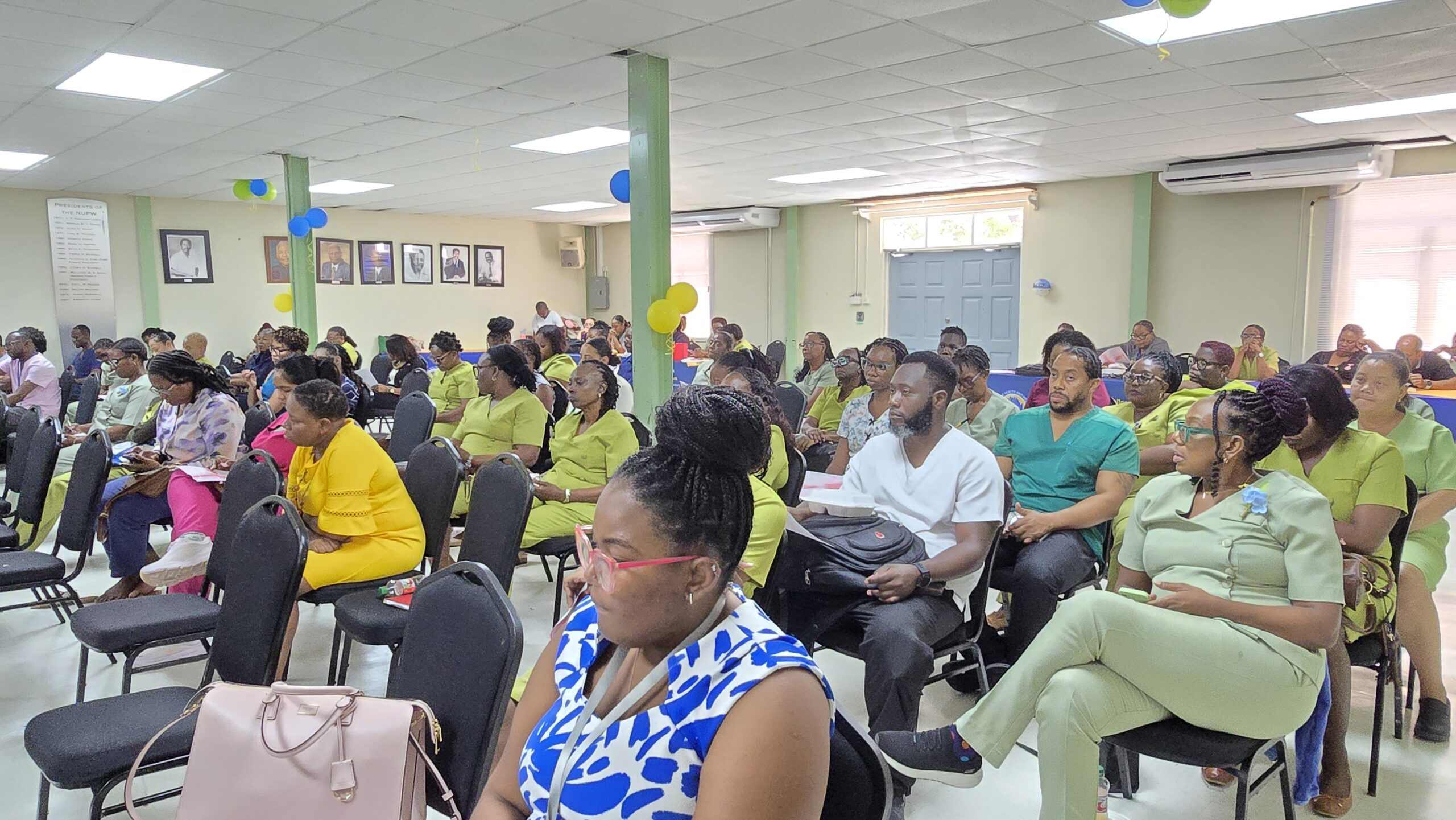
This week, Barbados’ public health authorities accelerated the national immunization campaign, expanding access to life-saving vaccines by bringing services directly into local communities through a scheduled series of open house events at polyclinics across the country. Speaking at a nurse training workshop hosted by the National Union of Public Workers in Dalkeith on Wednesday, Chief Public Health Nurse Larond Hyland outlined the new challenges facing the nation’s once-heralded immunization program.
“For decades, Barbados, like much of the Caribbean, achieved extraordinary success controlling vaccine-preventable diseases through our immunization programs,” Hyland told attendees, which included both public and private sector nursing staff. “But in recent years, we have seen coverage decline, and we are now in an active recovery phase that demands urgent strengthening. To protect our most vulnerable communities and reach the 95 percent herd immunity threshold critical for measles control, we cannot afford to relax our efforts.”
Hyland pointed to alarming trends in North America as a warning for the Caribbean: both the United States and Canada have already lost their official measles elimination status in recent years due to sustained, ongoing outbreaks. While the Caribbean region has not yet reached that tipping point, Barbados’ heavy reliance on international tourism leaves it uniquely exposed to imported cases of highly contagious VPDs.
“Tourism is the backbone of our economy, but it also makes us extremely vulnerable to imported disease,” Hyland emphasized. “We must never lose sight of that risk. Infants are our most at-risk group – they are not yet fully vaccinated, and if an imported case takes hold in this population, the consequences could be catastrophic.”
Under the country’s updated public health strategy, measles and polio have been flagged as top priority pathogens for continuous active monitoring. Hyland stressed that retaining VPD elimination status requires unwavering vigilance and regular verification, even for diseases that have been controlled for decades. Measles, one of the most contagious viral pathogens circulating globally, has been monitored by Barbadian health authorities for more than 25 years as part of the regional elimination effort, while polio surveillance remains critical despite decades of successful eradication efforts in the Americas.
Laboratory confirmation is a core pillar of the country’s enhanced surveillance framework. The Pan American Health Organization (PAHO) requires Barbadian authorities to submit a set number of laboratory-tested samples annually to verify suspected cases of measles and polio, a process that also helps health officials assess the overall performance of their immunization program. For example, a spike in confirmed measles cases among fully vaccinated people would signal a potential gap in vaccine effectiveness or coverage that requires immediate intervention.
Hyland called on all healthcare providers across Barbados – not just physicians – to strictly adhere to established protocols for suspect cases, particularly for patients presenting with fever and unexplained rashes, a common early symptom of measles. She also highlighted the critical need for collaboration with the private healthcare sector, given that international tourists are far more likely to seek care at private facilities than public polyclinics or public emergency departments when visiting the island.
To illustrate this risk, Hyland shared details of a recent incident involving an unvaccinated child from the United Kingdom who arrived in Barbados and developed measles symptoms, seeking care at a private facility. The case triggered urgent public health response protocols and laid bare the gaps that can emerge when private sector providers are not fully integrated into national surveillance efforts.
“We can have perfectly designed plans in the public sector, but every link in the public health response chain matters,” Hyland said. “Unvaccinated tourists who develop measles symptoms will almost always turn to private care first, so we need our private sector colleagues to be just as trained and prepared to act quickly.”
Reinforcing her call for action, Hyland cited longstanding guidance from the World Health Organization, describing vaccination as “the most important public health intervention in history, full stop.” She closed by encouraging all Barbadian healthcare workers to remain proactive and engaged in the work of strengthening national surveillance and immunization systems to protect the island’s 20 years of hard-won public health gains.