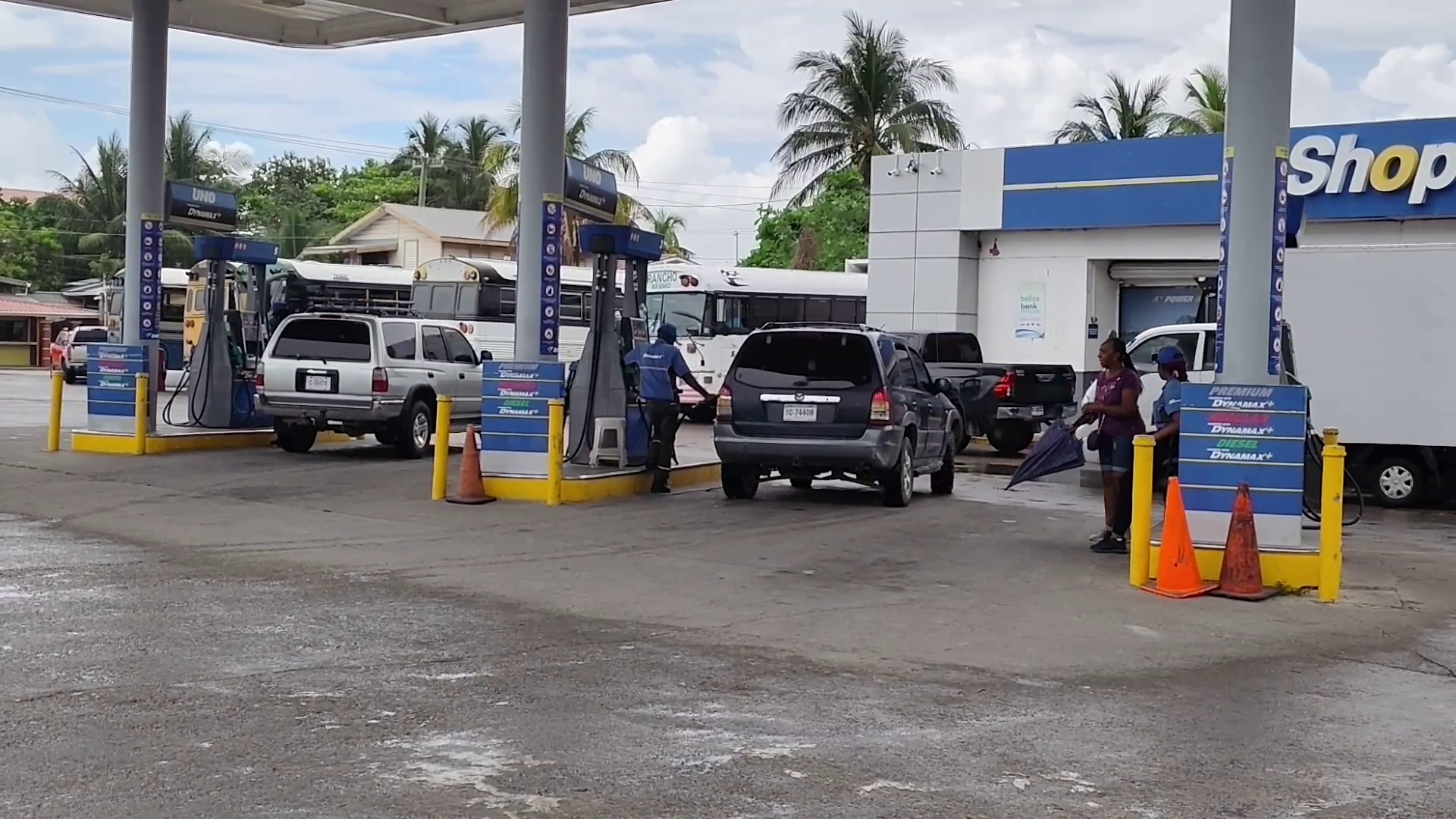
As motorists across the country feel the ongoing sting of rising gas prices at the pump, the ripple effect of higher fuel costs has now reached public safety operations, prompting a top government official to order a full restructuring of how law enforcement carries out its daily work. Elton Bennett, chief executive officer of the Ministry of Home Affairs, told local reporters in a televised address Wednesday that accelerating fuel inflation is not just a burden for private drivers—it is squeezing budgets across every sector of the public sphere, from media outlets to national security agencies and all government departments that rely on vehicle fleets to deliver services.
Bennett emphasized that blanket budget increases to cover higher fuel bills are not a viable long-term solution for stretched public finances. Instead, he said, the ministry will need to return to the drawing board and redesign core operational frameworks to cut unnecessary fuel use while still maintaining public safety standards. The restructuring will focus specifically on routine patrol routes, emergency response deployments, and day-to-day logistics, with the goal of maximizing efficiency from every gallon of fuel purchased without compromising the quality or speed of essential services.
“The rising cost of fuel is impacting all of us,” Bennett said in the address. “You in the media, in the security service, across government, in the delivery of goods—everyone is feeling the effects of higher fuel prices. So it’s something that would require us to go back to the drawing table to redesign our operations to ensure that we take into consideration the rising cost of fuel so that we can plan our operations better.”
The announcement comes amid a broader trend of public sector agencies adjusting their operations to account for sustained energy price inflation, which has pushed up operational costs for every service that relies on ground transportation. Local government leaders across the region have warned that unadjusted fuel costs could eat into budgets for other critical public services, from education to infrastructure maintenance, if operational overhauls are not implemented quickly.