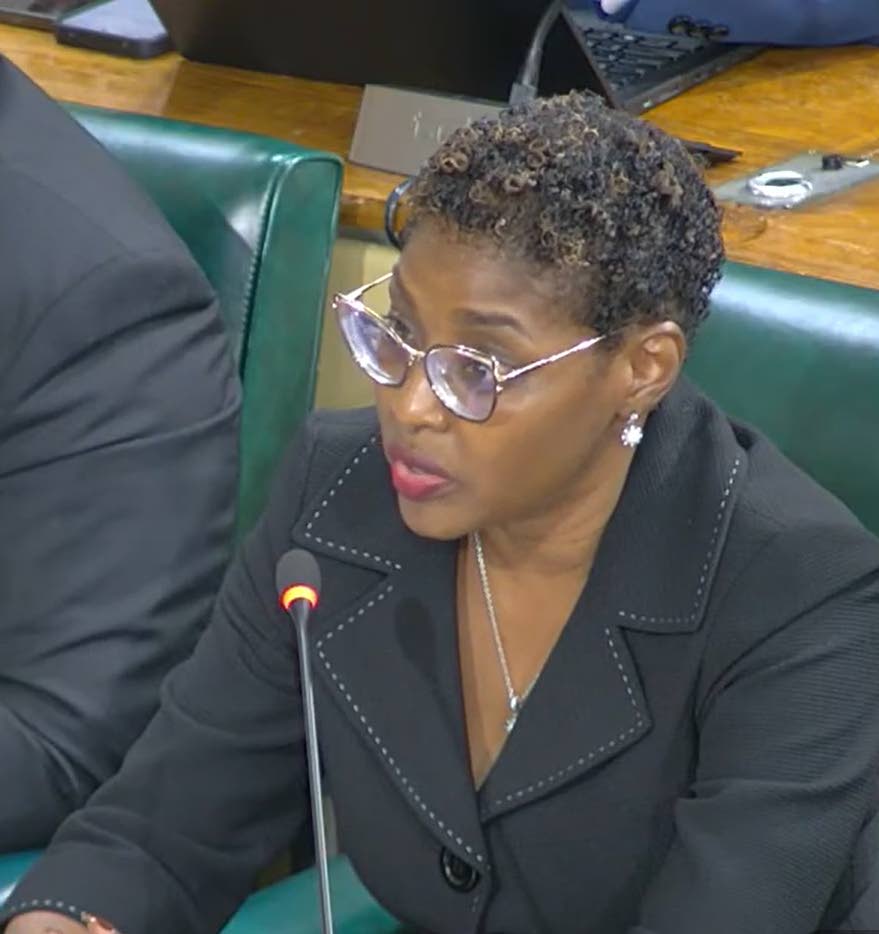
Jamaica’s top auditor has sounded the alarm over crippling personnel shortages that are blocking an immediate re-examination of recently recovered procurement documents from the University Hospital of the West Indies (UHWI), as overlapping high-stakes public sector audits stretch her department’s already thin resources to breaking point. Auditor General Pamela Monroe Ellis shared these constraints during a recent sitting of Parliament’s Public Accounts Committee (PAC), where lawmakers pressed for details on how her office would move forward after UHWI administrators announced the rediscovery of dozens of procurement files previously listed as missing.
The controversy traces back to an earlier audit of UHWI’s procurement protocols, which flagged 51 contracts for which no supporting documentation could be produced during the initial review. That gap sparked widespread alarm over gaps in record-keeping, potential lapses in transparency, and possible non-compliance with national public procurement rules. During Tuesday’s committee sitting, UHWI Acting Chief Executive Officer Eric Hosin updated legislators: eight of the missing files, covering contracts valued at approximately $65 million, have been located in previously searched storage spaces, while another four contracts worth an estimated $35 million have had their documentation reconstructed from existing records.
Following this update, PAC Chair Julian Robinson asked the Auditor General’s Department to outline its next steps, noting that the committee requires independent verification from the auditor general to confirm that the newly surfaced files are both complete and credible. Robinson also pushed for clarity on how the department will handle files that remain unaccounted for, and contracts that UHWI has now stated were canceled before execution.
In her response, Monroe Ellis pushed back against the assumption that the rediscovery of files automatically resolves earlier concerns about procurement irregularities. She emphasized that any meaningful follow-up review would demand a full reassessment of every document, including rigorous checks to confirm authenticity, completeness, and alignment with procedural requirements. “I am not satisfied with just looking at a file to see that it exists. I would rather to have a more thorough audit done where I can have confidence about bona fides as well as accuracy,” she told the committee.
Despite this commitment to rigorous oversight, Monroe Ellis made clear that an immediate review is not feasible, given that her department is already stretched thin by multiple ongoing major investigations. “I understand your desire to have some level of comfort and better particulars around this matter. But I really have to emphasise that I just do not have the manpower right now. We have other audits that we’re seeking to complete and it’s actually this audit team that is involved, and it will have a ripple effect,” she explained.
The Auditor General added that the UHWI probe is just one component of a wider systemic audit of Jamaica’s entire public health sector, and that other major public audits have already been pushed back due to competing urgent national priorities. She specifically called out a post-Hurricane Melissa recovery spending audit that is currently consuming the bulk of her department’s audit capacity, and has already delayed a separate review of the Cornwall Regional Health Authority. “It is necessary for us to wrap those audits up to move on, which is why I’m asking for time to allow the team to complete their review of the Hurricane Melissa initiative, which is quite time-consuming, as well as the Cornwall Regional Hospital,” she said.
Monroe Ellis’ testimony underscores the growing systemic pressure facing Jamaica’s national audit office, which is being forced to juggle a growing backlog of high-profile public interest investigations against a static ceiling on staffing and operational resources.