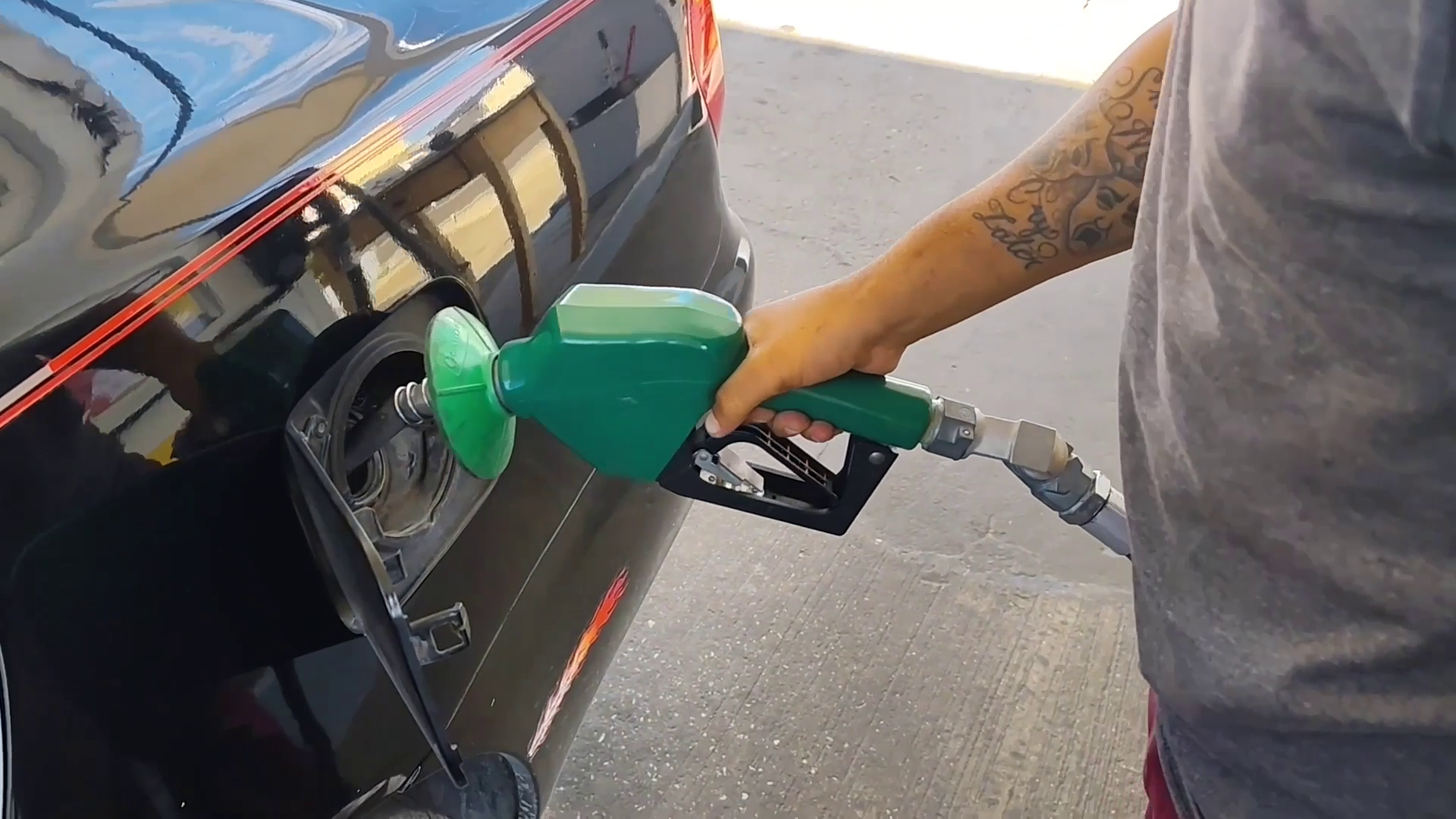
Against a backdrop of escalating global market volatility that has sent fuel prices climbing sharply across Belize, Prime Minister John Briceño delivered a national address Monday evening to address growing public anxiety, outline the government’s response strategy, and highlight bright spots in the national economy that are holding up against international headwinds.
The country has seen mounting pressure on household budgets and business operating costs as fuel costs surge, a ripple effect from ongoing global geopolitical instability. In his address, Briceño openly acknowledged the significant strain that elevated fuel prices are placing on key domestic industries, while laying out a multi-pronged approach the administration is pursuing to soften the blow for everyday Belizeans.
Briceño emphasized that despite the economic turbulence, several core sectors of Belize’s economy have proven unexpectedly resilient. Tourism, one of the country’s largest revenue generators, continues to perform well: international visitor arrivals remain steady, and all existing airline routes connecting global destinations to Belize are operating at full capacity. Beyond tourism, the prime minister noted that the agricultural sector and Belize’s growing business process outsourcing (BPO) industry remain robust, largely insulated from the global market chaos driving fuel price increases. He added that overall employment levels and foreign investment flows have not seen meaningful negative impacts from the global crisis to date, and the full-year 2026 economic forecast remains positive.
Crucially, Briceño confirmed that the government would protect all social safety net programs targeted at vulnerable populations, even as it pursues broader cost-cutting measures across the public sector. Under the administration’s Plan Belize 2.0, commitments to tens of millions in education scholarships and subsidies, early childhood development programs, and school feeding initiatives will remain fully funded. In the public health space, free medical services at public hospitals and the national rollout of the National Health Insurance (NHI) scheme will proceed as scheduled. “When it comes to spending reduction and cuts, this government will never reduce investments we have budgeted for those most in need. That is the sacred contract of Plan Belize 2.0,” Briceño stated.
To cushion the national economy from external shocks and minimize the impact of rising fuel costs on residents, the prime minister called for collective action from both public servants and the general public. He urged all government departments to prioritize operational efficiency, cut unnecessary spending, and become more resourceful in their day-to-day work. For ordinary Belizeans, he recommended intentional conservation of electricity and fuel in daily routines, and encouraged consumers to prioritize locally made Belizean products to support domestic industries.
Briceño stressed that years of public finance transformation since 2020 have left the government with sufficient fiscal space to confront current challenges, and said his administration would leave no option unexplored to deliver on its promise of shared national prosperity. “Belize is a land of resiliency, our people, one of resourcefulness,” he said. “Together, we will overcome these challenges. The government is committed to minimizing and mitigating the impact of global events and working closely with all stakeholders and the community to protect our national interest.”
Local news outlet News Five says it will continue tracking retail fuel prices across the country and monitor for any additional cost-saving measures the Briceño administration may introduce in the coming weeks.