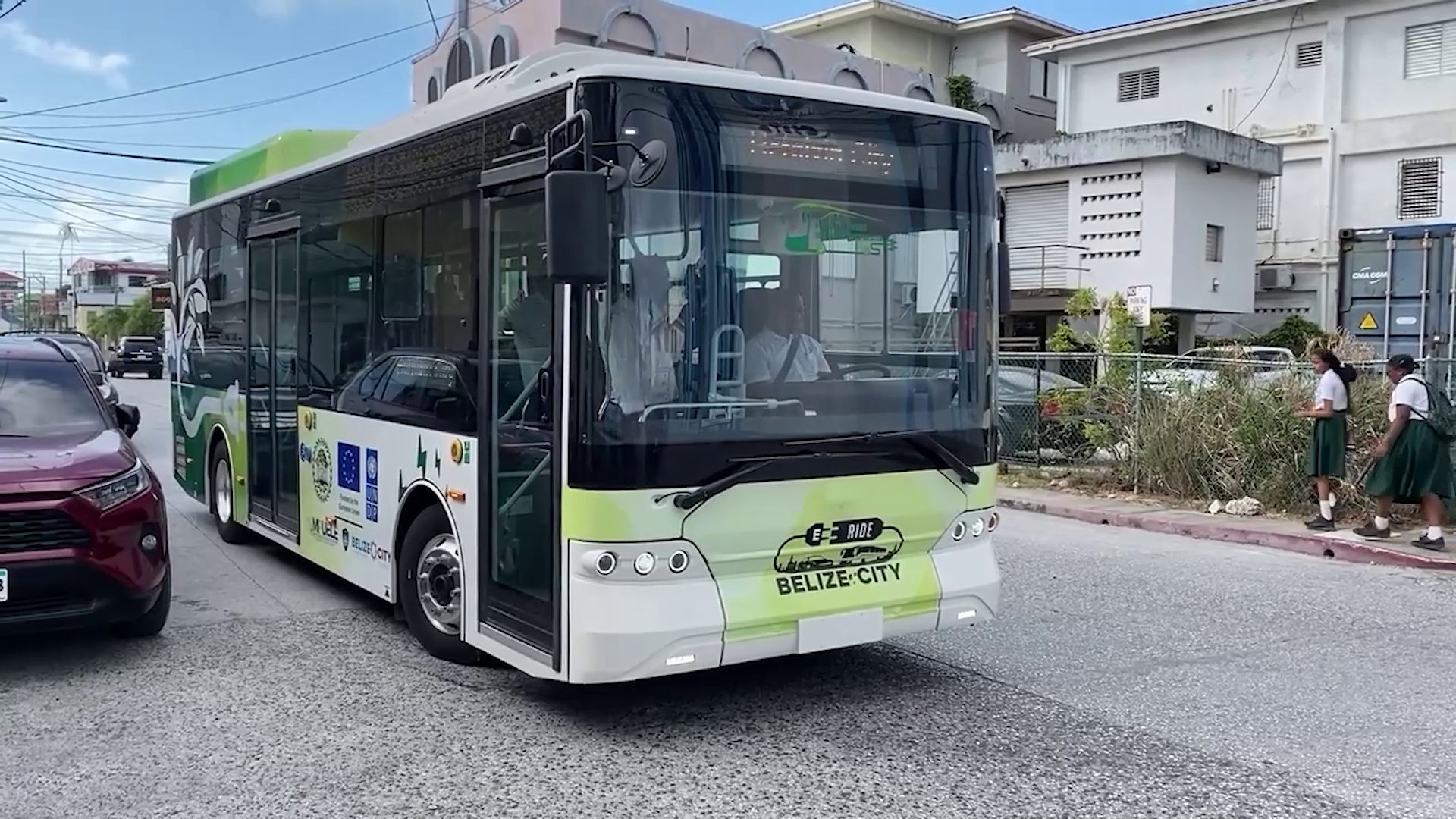
On a Monday in late April 2026, commuters across Belize City and along the busy Phillip Goldson Highway faced unexpected disruption when the entire fleet of the Belize Bus Association ceased operations, leaving thousands of daily travelers stranded without their usual means of getting to work, school, or home. What could have spiraled into a full-blown mobility crisis instead became an unexpected, real-world demonstration of the reliability of electric public transit: the Belize City Council’s electric bus fleet remained fully operational, stepping in as a critical backup for stranded residents.
According to Belize City Mayor Bernard Wagner, every single scheduled electric bus run was filled to capacity during the shutdown, as desperate riders crowded onto the vehicles to complete their daily journeys. The sudden surge in demand, he explained, put a clear spotlight on just how critical alternative, independent mobility options have become for urban centers, particularly when systemic disruptions hit conventional transit networks. In what began as an unplanned test of electric mobility’s practical value, the city’s electric bus fleet performed far beyond expectations, passing with flying colors.
Wagner used the unprecedented event to make the case for a broader shift away from fossil fuel-dependent internal combustion engine and diesel transit vehicles. Beyond their performance during crises, he argued, electric mobility insulates transit systems and communities from the ongoing volatility of global fuel prices. Unlike diesel fleets, whose operational costs swing wildly in response to external market shocks and geopolitical disruptions, electric bus operations maintain stable, predictable costs long-term.
Citing independent industry research, Wagner noted that electric bus fleets deliver as much as a 40% reduction in ongoing operational costs compared to traditional diesel fleets—a benefit many local transit providers have yet to embrace. “We continue to be stuck in a time warp,” Wagner said of the local industry’s slow adoption of electric transit, adding that temporary fixes for rising fuel costs will never resolve the core issue: price volatility will keep reemerging every three to six months, regardless of short-term policy adjustments.
In the wake of the shutdown that showcased electric buses’ reliability, the mayor urged existing private bus operators to reevaluate their fleet strategies and seriously consider transitioning to electric buses to deliver more stable, cost-effective service for Belize City commuters long-term.