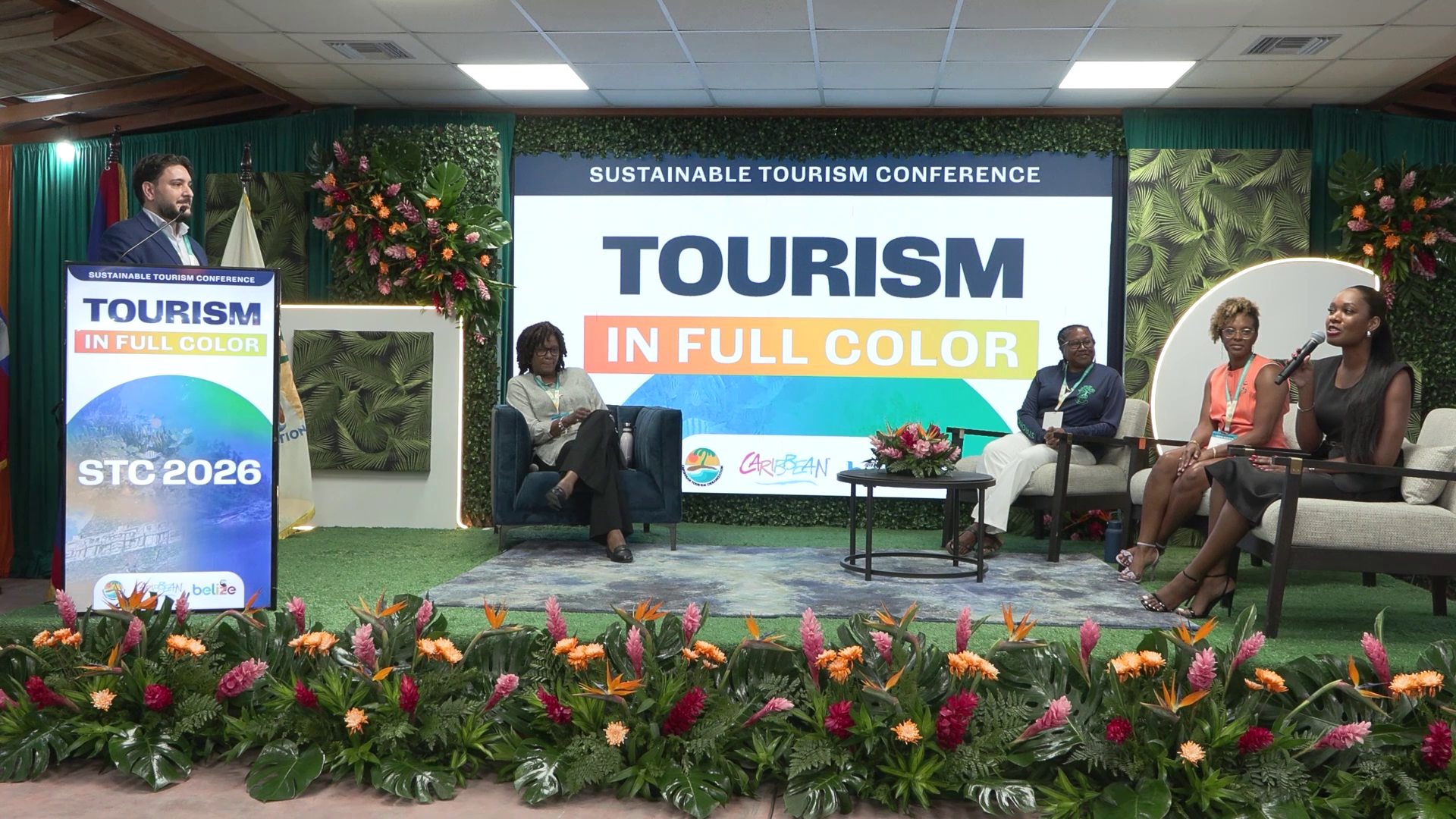
As global tourism rebounds to record-breaking heights, injecting trillions of dollars into the world economy, industry and government leaders from across the globe have gathered in Belize for a pivotal conversation about the sector’s future. Against a backdrop of soaring international visitor arrivals, the gathering centers on a urgent, long-unresolved question: how to expand tourism without overwhelming local communities and destroying the irreplaceable natural and cultural assets that draw travelers in the first place. Moving beyond the decades-long focus on sheer visitor volume, the summit is pushing for a paradigm shift toward balanced, long-term growth—an approach industry innovators have dubbed “better tourism.”
For the Caribbean region, this conversation is far from theoretical. Tourism contributes an average of 32% of total gross domestic product across Caribbean nations, with some island economies relying on the sector for as much as 90% of their annual output. In 2025 alone, the region welcomed an estimated 70 million international visitors, a figure that underscores both the economic power and the existential risk of mass tourism. The natural landscapes, biodiverse coastal ecosystems, and unique cultural heritage that make the Caribbean a top global destination are increasingly at risk from the very growth that drives the region’s economy.
“What we protect sustains us,” explained Evan Tillett, Director of the Belize Tourism Board, in remarks at the summit. “That lesson did not arise from theory but from recognition that our natural and cultural assets are finite and, once compromised, are not easily restored. The question, therefore, was never whether we pursue growth, but how we grow without forfeiting the very foundation that makes growth possible.”
The environmental costs of traditional mass tourism are impossible to ignore: the sector accounts for roughly 10% of global greenhouse gas emissions, and unchecked tourism-driven development has accelerated pollution that threatens fragile coastal ecosystems across the globe. Anthony Mahler, Belize’s Minister of Tourism, outlined the stark consequences of inaction facing small island nations.
“The pollution crisis is real, and it threatens everything we need to protect our environment, our public health, and most of all, our people,” Mahler said. “It is driven by inadequate waste management and unchecked coastal development. The ocean absorbs an estimated 8 to 12 million metric tons of plastic waste every single year. Approximately 80% of all wastewater worldwide is discharged into our waters without adequate treatment. The consequences are visible all across our region. Our beaches are eroding, our coral reefs are experiencing bleaching, and sargassum is relentlessly pounding our coastlines.”
This tension between short-term economic gain and long-term environmental and community health is not unique to the Caribbean. Leaders from tourism economies around the world shared their own experiences of the harm caused by prioritizing volume over sustainability. Pania Tyson-Nathan, Chief Executive of New Zealand Māori Tourism, noted that conventional tourism models have often failed to deliver equitable benefits to local and Indigenous communities.
“Tourism has been very good for growth. It has been less good at respect to care, protection, and importantly, giving back. And even less effective at ensuring that local businesses, communities, and peoples are the ones that benefit from it,” Tyson-Nathan said. “That is the tension we are all navigating, and one of the reasons we are all here. Low value jobs creating low value economies, and I dislike this one immensely, gentrification, where locals can no longer afford to live in their homes or in their tribal lands because policies and consents have favored developers who turn our homelands into playgrounds or holiday homes.”
To address these gaps, regional leaders are calling for a step beyond basic sustainable tourism, which focuses primarily on reducing harm. Instead, they are advocating for regenerative tourism, a model that actively improves the places and communities that host visitors. “We must move toward regenerative tourism,” said Ian Gooding-Edghill, Minister of Tourism for Barbados. “Our efforts go beyond minimizing harm to actively restoring ecosystems, strengthening communities, and preserving and celebrating our cultures. It is about shifting from doing less damage to creating a net positive impact for our people, our environments, and of course our economies.”
As the summit progresses, the core consensus that has emerged is clear: the future of global tourism does not depend on how many visitors the industry can attract, but on how well it serves people, preserves culture, and protects the natural environment. Reporting for News Five, Zenida Lanza contributed to this report from Belize City.