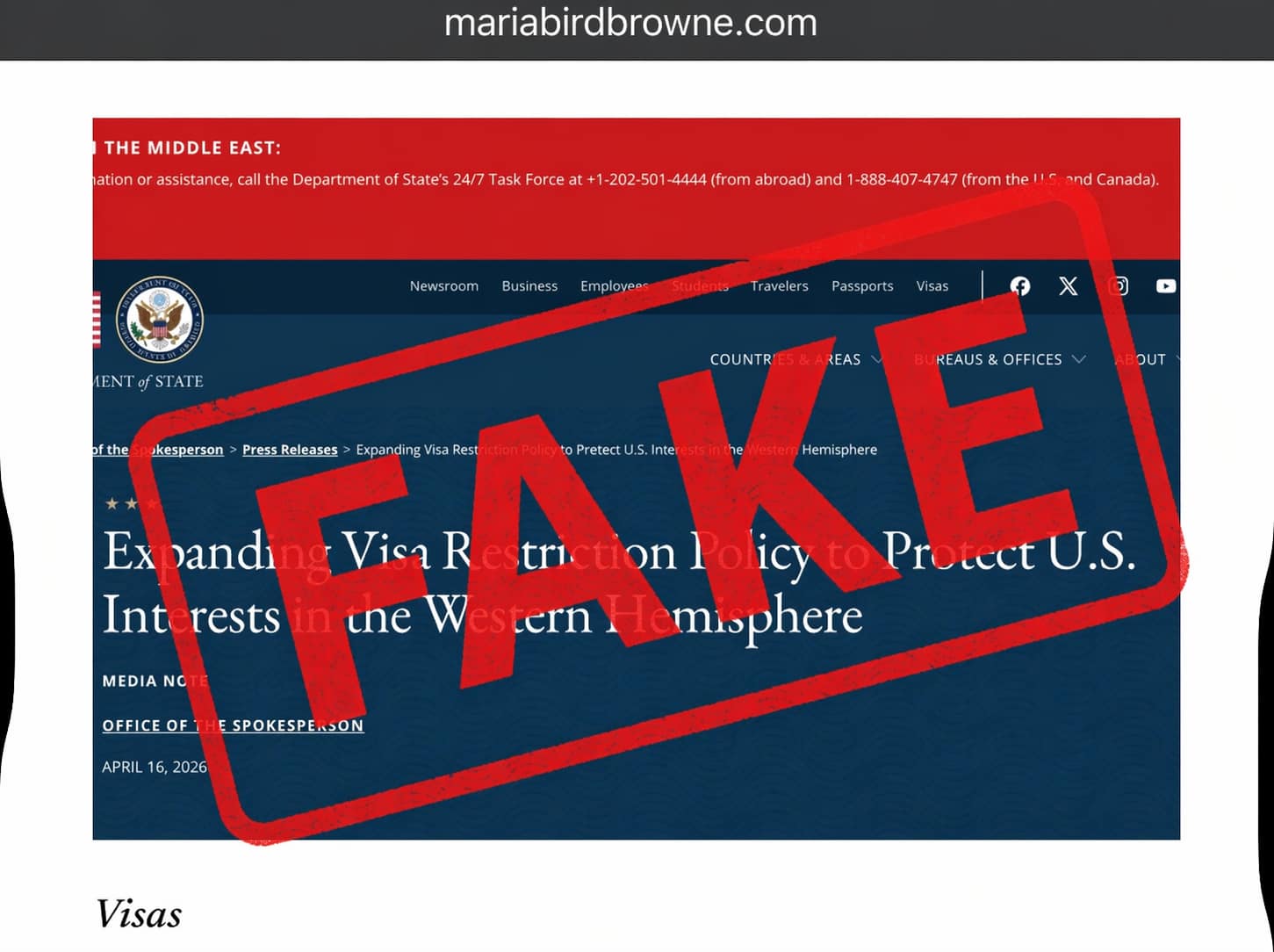
In the chaotic, noise-filled landscape of modern political campaigning, a cynical tactic has come into sharp focus: the deployment of unsubstantiated smears paired with calculated deniability. Political actors pushing these false claims repeatedly tease damaging, baseless allegations, only to publicly claim they have “no connection” to the origin of the smear, all while continuing to amplify the false narrative to their audience. This is a deliberate, well-worn political trick – spread the lie to seed doubt and damage an opponent, then step back and feign innocence, reaping all the political benefits of the harm caused without accepting any accountability for spreading misinformation.
This strategy has nothing to do with holding public figures or opponents accountable for legitimate missteps. Instead, it is a clear sign of profound election desperation: when a campaign or political party abandons policy debate and legitimate criticism to embrace outright falsehoods, it signals that they believe they cannot win on the merits of their own platform or ideas. This dynamic raises a fundamental question that voters must grapple with: if a political group is willing to rely on such transparently false claims to win elected office, what precedent does that set for how they will behave once they hold power? Can a political organization that cuts ethical corners during a campaign to gain power ever be trusted to govern honestly and in the public interest?