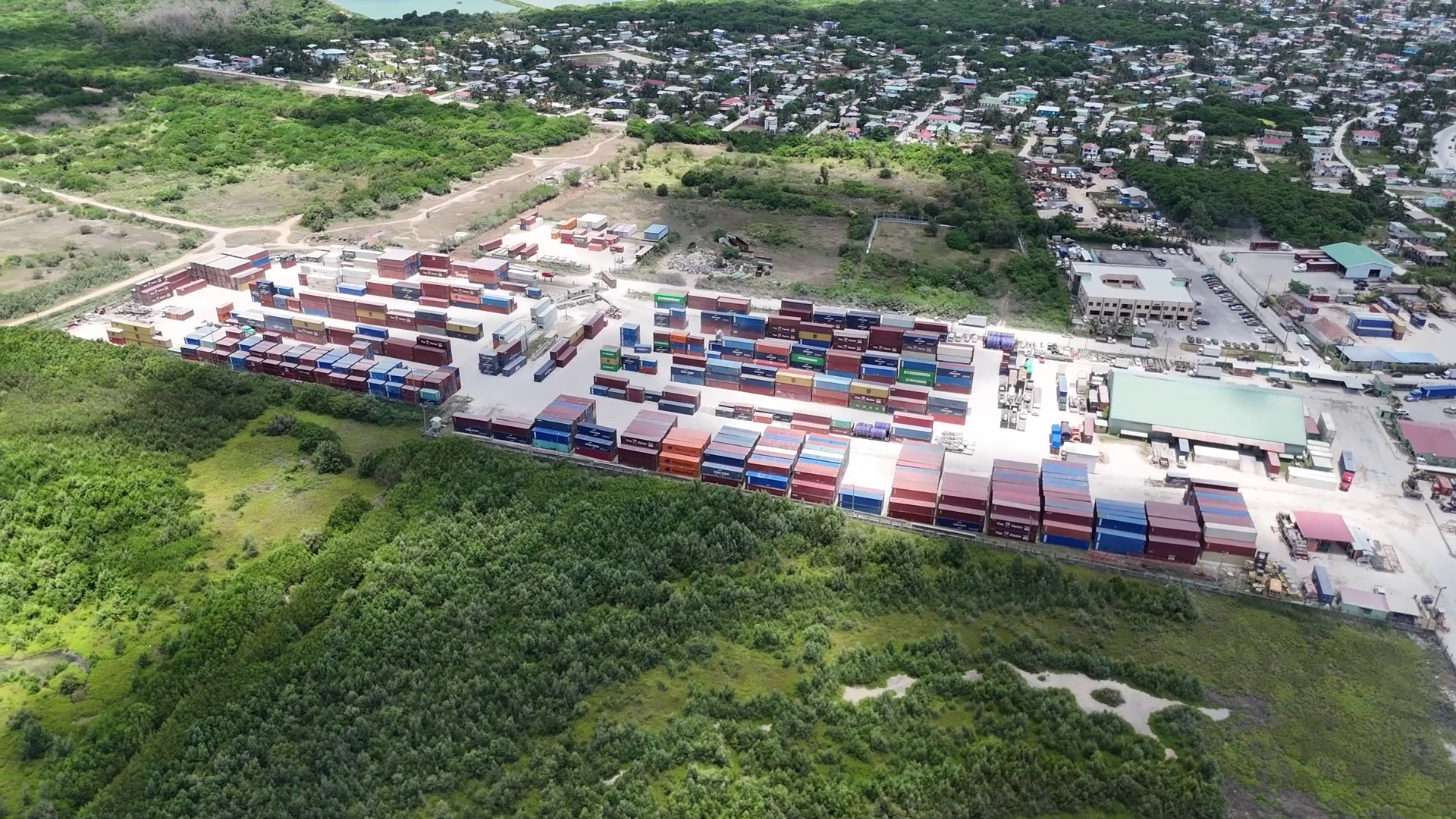
As of April 23, 2026, a heated debate over Port of Belize Limited’s proposed expansion project has emerged, pitting environmental advocacy groups against government regulators who have already granted the initiative formal approval. Contrary to common assumptions that environmental organizations uniformly oppose large coastal infrastructure projects, a coalition of leading local NGOs is not opposing the entire scheme – in fact, it is throwing its full support behind the proposal’s cargo expansion component, which groups frame as a non-negotiable driver of long-term economic growth for Belize City and the broader nation.
Dr. Melanie McField, founder of the prominent environmental initiative Healthy Reefs for Healthy People, outlined the coalition’s nuanced position in recent comments, drawing a clear line between the two distinct elements of the expansion plan. The most environmentally destructive component of the project, McField explained, is the proposed deepwater channel straightening work earmarked for the cruise terminal side of the expansion. Unlike standard sand dredging, this work requires cutting and excavating solid bedrock, a process that would cause far greater and irreversible harm to fragile coastal marine ecosystems. Critically, McField emphasized that this disruptive work is entirely unnecessary for the cargo expansion: while it would simplify navigation slightly, it is not a required upgrade to support the commercial cargo operations that Belize’s economy depends on.
On the cruise terminal component of the expansion, McField argued that no final decision should be made without a full national strategic planning process, referencing a 2010 sustainable tourism framework developed by the Belize Tourism Board that already outlines clear guidelines for appropriate cruise port siting. The coalition maintains that large-scale cruise development requires a nation-wide approach to environmental and economic planning that is entirely separate from the justified expansion of commercial cargo capacity.
Dr. Elma Kay, chairperson of the Belize Network of NGOs, expanded on these warnings, noting that Belize is rapidly approaching a tipping point for unplanned coastal development. With multiple large cruise port proposals currently under consideration across the country, Kay emphasized that existing feasibility studies consistently show Belize can only realistically support one large cruise terminal both economically and environmentally. Without a cohesive national port development strategy, Kay argued that ad-hoc approval of multiple projects would create unsustainable cumulative strain on both Belize’s natural ecosystems and its tourism economy.
“Without a clear plan, development becomes fragmented and uncoordinated,” Kay explained. “We recognize the critical economic need for cargo port expansion, but the cruise terminal component requires far more deliberation and a public social contract to guide decision-making.”
Despite these formal concerns raised by the environmental coalition, the National Environmental Appraisal Committee (NEAC) has already granted the expansion project approval to move forward. Government leaders have pushed back against criticism, noting that previous iterations of the proposal were rejected over unaddressed environmental flaws, and that those gaps have been resolved in the current plan.
Prime Minister John Briceno has publicly committed to taking the coalition’s concerns seriously throughout the construction process, while Sustainable Development Minister Orlando Habet defended the government’s approval decision in recent remarks. Habet explained that the current proposal addresses all of the deficiencies that led NEAC to reject an earlier version of the project submitted by a private developer: the previous plan failed to outline adequate containment for dredged and excavated materials, a gap that has been fixed in the government’s revised proposal after the state acquired the Port of Belize. Habet also noted that regulators held extensive consultations with the local Port Loyola community, and that the government never received any formal communication or concerns from the Belize Mangrove Alliance, despite the group’s claims of being excluded from the process.
As the project moves into the development phase, local journalists will continue to cover updates on how the government addresses outstanding environmental concerns and navigates the coalition’s calls for a national cruise development planning process.