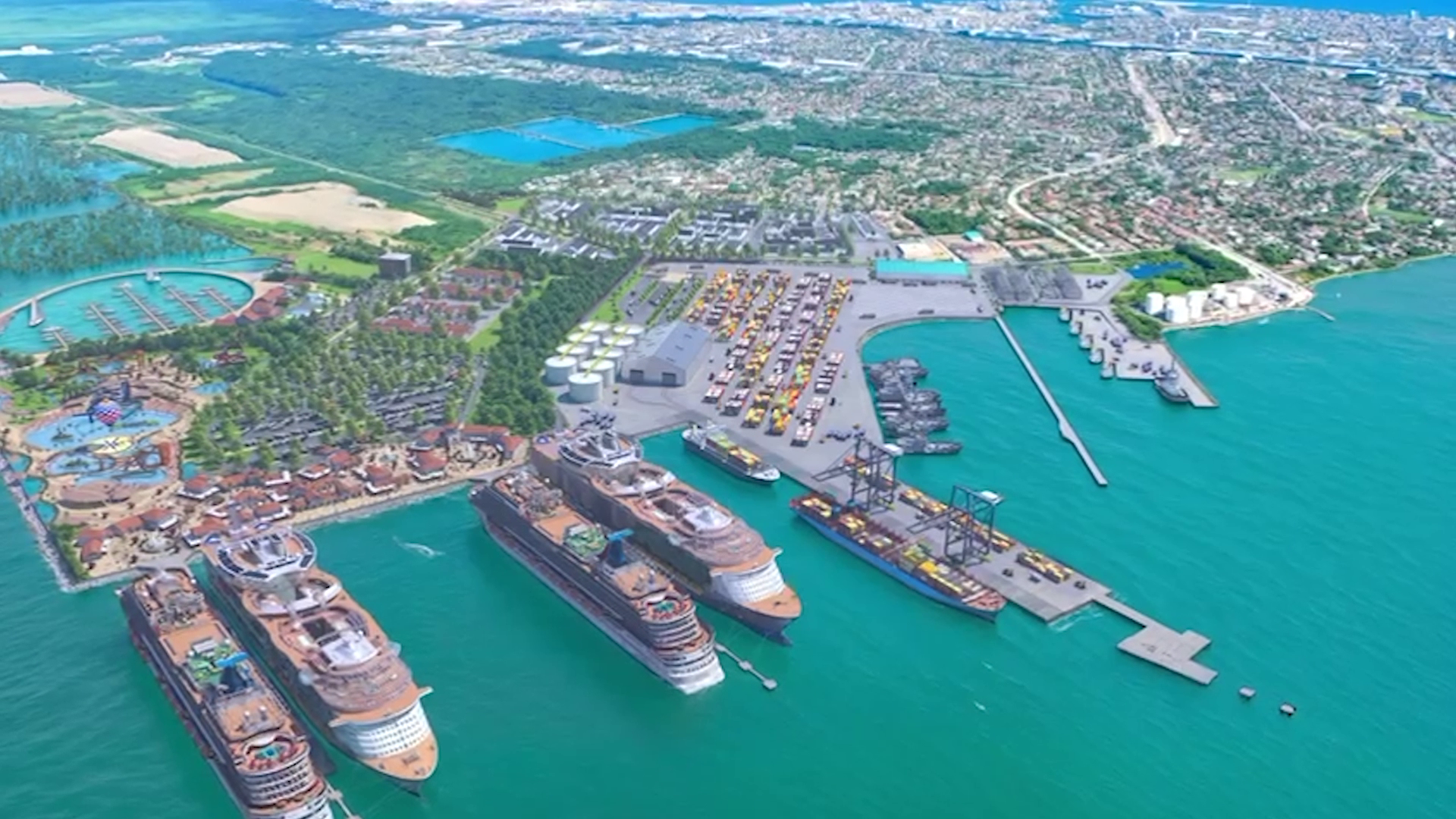
Scheduled for development along Belize’s ecologically vulnerable Caribbean coastline, a major cruise port and cargo expansion project has sparked formal pushback from a coalition of more than a dozen local environmental non-governmental organizations, who argue the scheme threatens marine ecosystems, community health, and the nation’s international climate commitments. The challenge, filed with Belize’s National Environmental Appraisal Committee (NEAC), targets the project’s approved Environmental and Social Impact Assessment (ESIA), which advocacy groups say contains critical gaps in oversight and ignores long-term ecological hazards.
The controversy around the Port of Belize Limited development is not a new debate. This marks the third time the proposal has come before national regulators for approval. As far back as 2021, the Government of Belize publicly pledged to develop a binding national ports policy to guide large-scale coastal development, following public pressure from environmental advocates. Dr. Elma Kay, chair of the Belize Network of NGOs, noted that the promise of a national framework has yet to be fulfilled, leaving the approval process unmoored from consistent, legally mandated environmental standards. “This is not a conversation from yesterday,” Kay explained. “There was a clear promise from the government that a national ports policy would be put in place to give clarity on how we move forward with coastal development. That has not happened, and we are left with gaping oversight gaps as a result.”
At the top of the coalition’s list of concerns is the handling of dredge material generated by the port expansion. While developers revised their proposal to include constructing artificial mangrove islands from excavated sediment to offset ecological damage, NGOs say the ESIA lacks mandatory long-term studies proving these structures will remain stable through coastal erosion, tropical storms, and sea level rise. Without baseline data on settlement patterns and storm resilience, the risk of structural collapse or unplanned sediment release into surrounding waters remains completely unaddressed, advocates warn.
Dr. Melanie McField, founder of the Healthy Reefs for Healthy People Initiative, called the artificial mangrove island plan a distraction from the core risks of dredging. “This is a red herring,” McField argued. “Regardless of whether the islands stay intact, dredging will pull up decades of buried sediment that is likely contaminated with heavy metals, pathogens, and other toxins that should remain undisturbed on the harbor floor. Dredging that material and re-depositing it in open water creates major risks of downstream water quality degradation, even if the island structure works as planned – and we have no data to confirm that it will.”
Beyond marine ecosystem damage, the coalition says the ESIA completely fails to account for the air and noise pollution generated by expanded cruise ship traffic. Modern cruise lines are steadily increasing in size to accommodate more passengers, leading to far higher fossil fuel consumption while docked. These constant emissions expose nearby coastal communities to toxic air pollutants and directly undermine Belize’s national pledge to cut greenhouse gas emissions, advocates say.
Alyssa Noble, senior communications director for Oceana Belize, explained that the push for larger vessels creates cascading social and environmental risks that the ESIA does not address. “Cruise ships are only getting bigger, designed to hold more passengers. More people means more waste, more fuel use, and more pollution, and there has been no clear plan for how all that additional solid waste, food waste, and emissions will be managed in a country as small and ecologically sensitive as Belize,” Noble noted.
The coalition also disputes the developer’s claims that full stakeholder consultation was completed during the approval process. Lisa Carne, founder of Fragments of Hope, pointed out that developers repeatedly stated all relevant local NGOs had been consulted, but no discussion was ever held with the Belize Mangrove Alliance – one of the nation’s leading organizations focused on coastal mangrove conservation. “That is a major red flag,” Carne said. Kay added that as the port is publicly owned by the government of Belize, purchased with taxpayer funds, there is a heightened expectation for transparent public consultation that has not been met. “What are the pathways through which Belizeans are being consulted on this very critical development that uses public money?” Kay asked.
In their formal challenge submission, the environmental coalition is calling on NEAC to reject the cruise port component of the project for the third time, requiring the developer to draft a revised proposal that comprehensively addresses the outstanding environmental and social risks before moving forward. NEAC previously approved the project despite the coalition’s advance warning letter submitted to the Department of the Environment just eight days before the vote.