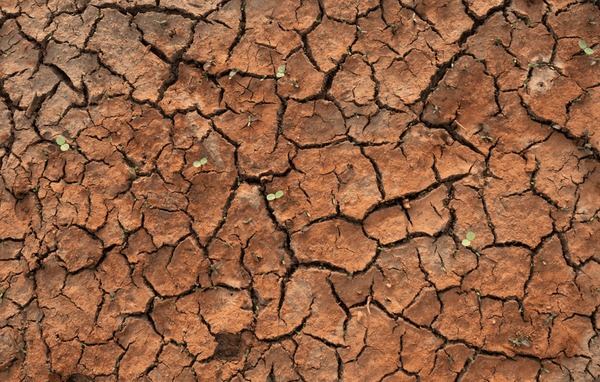
Leading regional climate research institutions have issued an urgent warning that the Caribbean region is likely to face two consecutive years of unusually high temperatures and prolonged dry conditions, driven by a strengthening El Niño event that raises the likelihood of widespread drought, public health risks, and far-reaching economic fallout. The joint alert comes from two leading regional bodies: the Caribbean Institute of Meteorology and Hydrology (CIMH) and the Climate Studies Group Mona at the University of the West Indies. Both organizations are calling on every sector of society, from national governments and private businesses to small-scale farmers and individual households, to launch immediate preparedness measures to mitigate potential damage.
Climatologist Cedric Van Meerbeeck explained that current long-range forecasts point to extended periods of below-average rainfall paired with sustained spikes in temperature and humidity across much of the region. This combination of conditions does not only put severe pressure on already strained freshwater supplies; it also threatens to undermine agricultural output and create measurable risks to public human health.
Looking at historical climate patterns, major El Niño events have repeatedly triggered extreme, long-lasting drought across the Caribbean. Notable examples include the severe dry spells recorded in 2009–2010 and again in 2014–2016. Experts emphasize that Eastern Caribbean nations, which are already struggling with ongoing dry conditions, face a particularly challenging outlook: water reserves may recover far more slowly than usual even once the annual wet season gets underway.
Beyond the immediate threat of drought, the region is bracing for a cascade of overlapping climate hazards. Extreme heat events will increase the risk of uncontrolled wildfires across dry landscapes, while marine heatwaves threaten to trigger widespread coral bleaching that can permanently damage fragile Caribbean marine ecosystems that underpin tourism and fishing industries.
University of the West Indies professor Michael Taylor, a leading climate researcher in the region, warned that current forecasts point to the emergence of what he termed a “multi-hazard regime”. In this scenario, heat, drought, and marine climate impacts do not occur in isolation; they overlap and amplify each other, creating more severe risks than any single hazard would pose alone. Taylor stressed that these compound extreme events pose an existential threat to the livelihoods of millions of Caribbean residents, and require coordinated, cross-border collective action to address effectively.
While El Niño is historically linked to a less active Atlantic hurricane season, climate specialists are quick to note that hurricane risk has not been eliminated entirely. Even a single intense storm or a short period of extreme rainfall can cause catastrophic damage to Caribbean communities, as demonstrated by past destructive events including Hurricane Andrew and Tropical Storm Erika.
The potential impacts of this El Niño event extend far beyond immediate weather-related disruption. Reduced rainfall and higher average temperatures will place additional strain on already vulnerable water and energy infrastructure, cut into expected agricultural yields, and exacerbate public health risks — ranging from a rise in heat-related illnesses to growing challenges maintaining safe drinking water quality across the region.
Wider economic ripple effects are also already on the horizon. Climate-driven disruptions are already altering key global trade routes that the Caribbean depends on, most notably the Panama Canal, where ongoing drought conditions have forced restrictions on shipping traffic. These disruptions are expected to trickle down to Caribbean supply chains, driving up the cost of imported goods for local consumers.
Climate specialists say that ongoing monitoring of evolving conditions remains critical, noting that the accuracy of El Niño projections typically improves significantly starting in May. Updated, detailed guidance will be presented at the upcoming Caribbean Climate Outlook Forum, where regional climate specialists will share refined projections ahead of the annual wet and hurricane seasons.
Regional officials reiterated that early public awareness and proactive preparedness will be the most critical factors in reducing the potential damage that this developing climate pattern could inflict on communities across the Caribbean.