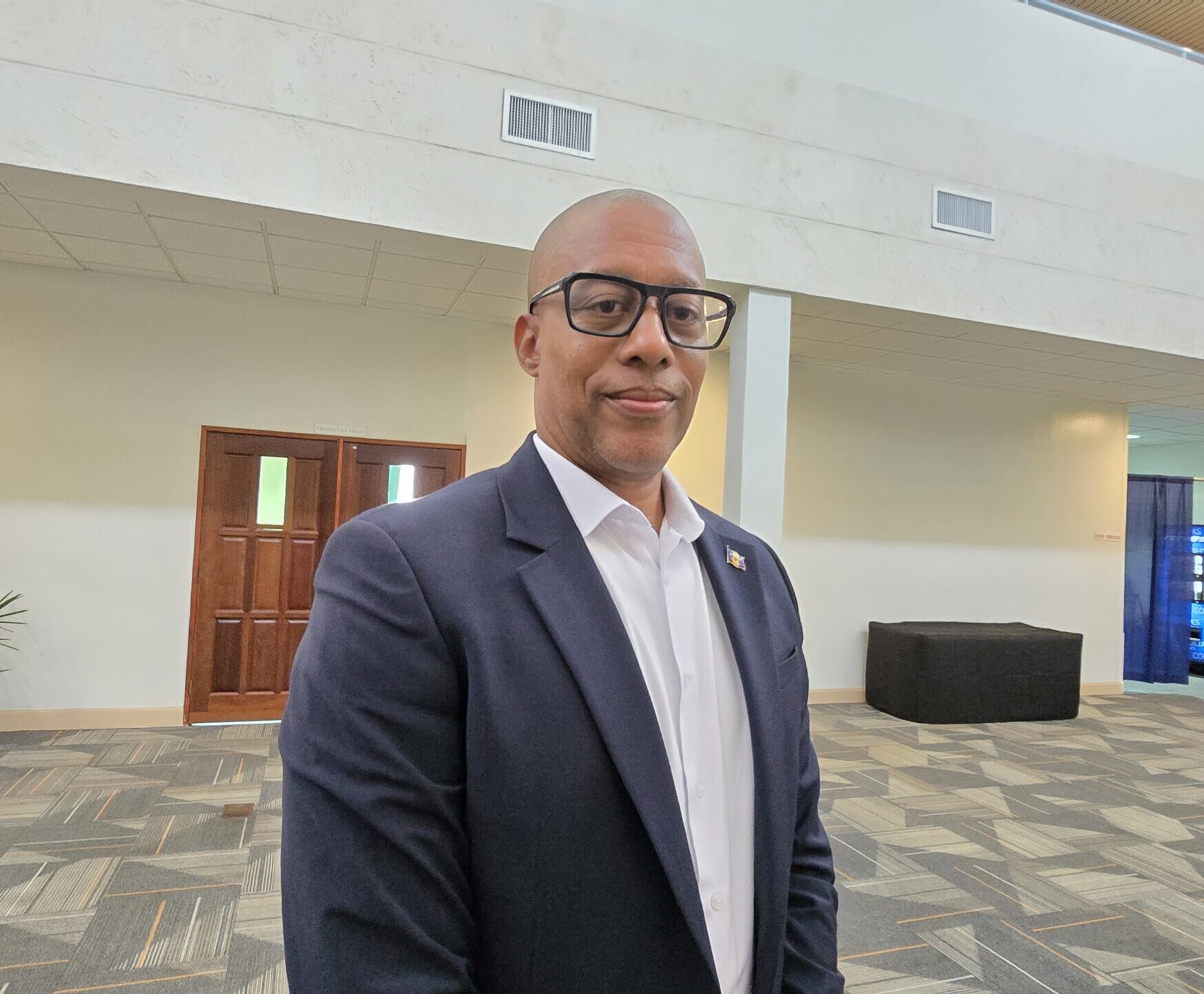
As artificial intelligence reshapes workplaces across every global sector, the Barbados National Standards Institution (BNSI) is sounding a clear call to action: local workers and businesses that delay integrating AI and updating their change management frameworks risk falling permanently behind in an increasingly competitive digital economy. BNSI director Haydn Rhynd emphasized in an address to the Barbados Association of Administrative Professionals conference on Wednesday that the Caribbean nation simply cannot afford to put off embracing this transformative technology.
Speaking exclusively to Barbados TODAY on the sidelines of the event, Rhynd acknowledged that widespread anxiety around AI’s impact on employment is common among the island’s workforce. Many workers, he noted, already grapple with internal fear of the unknown, with common concerns ranging from self-doubt about digital literacy to questions about whether they need full retraining to keep up, or even age-related anxiety about learning new systems. This tendency to view organizational and technological change as an inherently threatening force, he said, is the biggest barrier to widespread AI adoption on the island right now.
Contrary to popular narratives that AI will eliminate millions of jobs, Rhynd argued that the technology is transforming existing roles rather than erasing them entirely. Workers that choose to embrace the shift rather than resist it will not only stay relevant in the evolving job market – they will gain a competitive edge that allows them to lead their fields. By learning to leverage AI tools to handle repetitive, mundane tasks, employees free up valuable time and mental bandwidth to focus on high-value work that relies on uniquely human skills like creativity, critical thinking, and interpersonal connection. This, Rhynd stressed, makes the current era of rapid technological change a fantastic opportunity rather than an unprecedented threat.
To help local businesses and workers navigate this transition smoothly, BNSI has developed a comprehensive set of industry-specific change management standards designed to lower barriers to AI adoption. Beyond the standardized frameworks, the institution also offers hands-on training support tailored to organizations of all sizes and sectors. These training sessions walk participants through the fundamentals of working with AI, helping teams select the right tools for their specific operational needs and demystify the process of integration. Rhynd reported that growing numbers of previously reluctant Barbadian organizations are now recognizing the urgency of action, with more stakeholders than ever coming to the conclusion that inaction on AI is no longer a viable option.
However, Rhynd also issued a critical caution for businesses rushing to integrate AI: the shift to the technology requires equal attention to strengthening cybersecurity and data protection protocols. Widespread questions remain around confidentiality, with many leaders unsure what types of internal information is safe to share with public AI tools, and how to build secure processes for data handling. To address this gap, BNSI also offers targeted standards to guide organizations through the process of building robust data protection frameworks that mitigate risk while still allowing them to benefit from AI capabilities.
Pointing to the accelerating pace of AI innovation, Rhynd noted that the technology has already proven adaptable to virtually every sector of the global economy. From healthcare and food production to manufacturing, agriculture, finance, and general business operations, AI can deliver efficiency gains and productivity improvements across every part of Barbados’ economy. No industry can afford to write off AI as irrelevant to their work, he added, urging all stakeholders to move quickly to position the island for success in the AI-driven future.