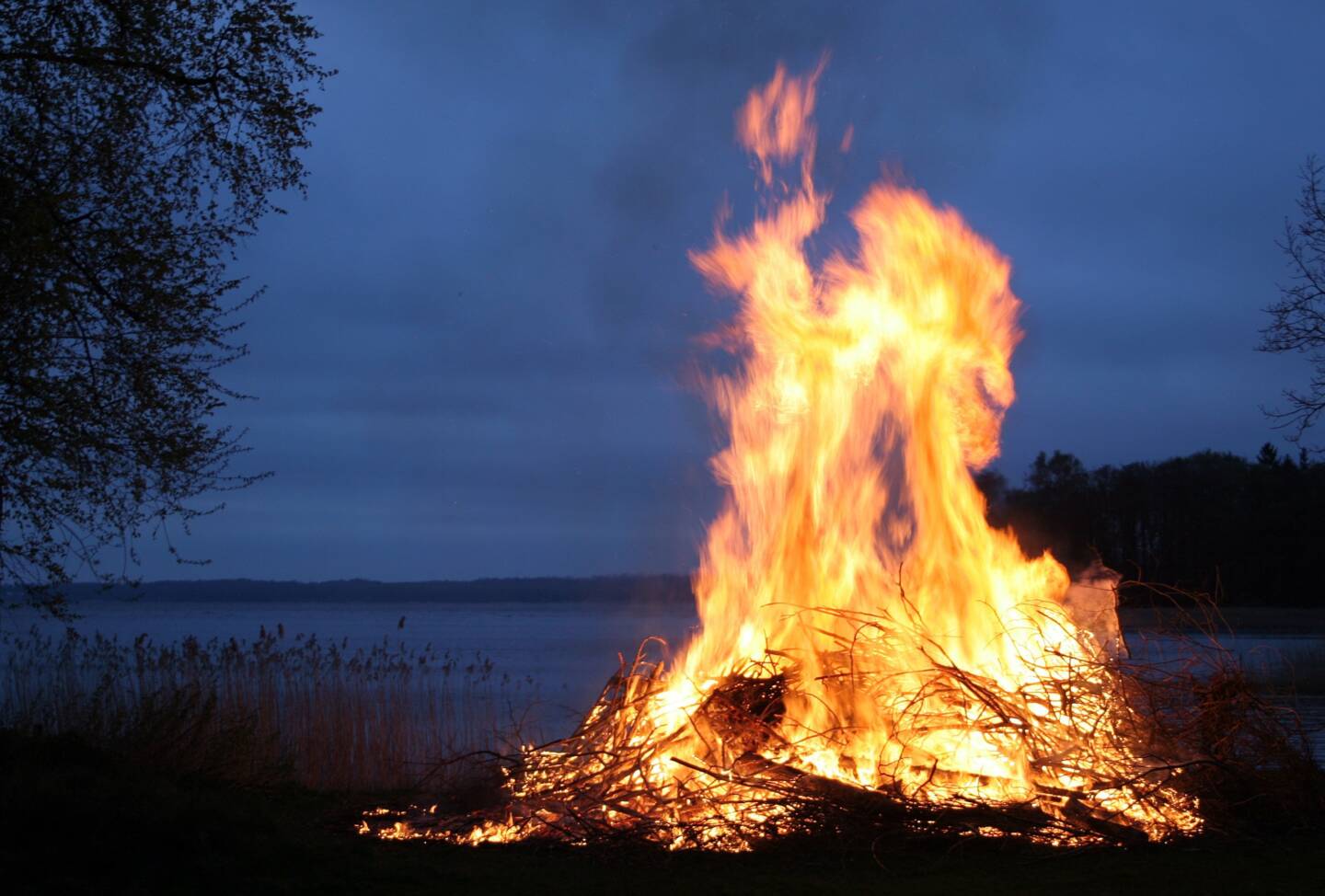
The Caribbean nation of Grenada has enacted an immediate, indefinite suspension on all open burning license approvals, announced Friday by the country’s Ministry of Agriculture, Lands and Forestry. The sweeping policy change comes as officials confront rising seasonal and long-term threats, from heightened wildfire risk during the annual dry period to worsening environmental degradation and widespread public health hazards tied to unregulated open burning.
Public health and environmental experts have long documented the severe harms of widespread open burning: the practice releases large volumes of harmful particulate matter and toxic pollutants into the atmosphere, driving poor air quality that exacerbates asthma, chronic obstructive pulmonary disease and other life-threatening respiratory conditions. Beyond health impacts, out-of-control open fires pose constant risks to private property, commercial agricultural operations, and the island’s fragile native ecosystems, which support unique biodiversity and draw millions in tourism revenue each year.
Ministry officials emphasized that the suspension is not an isolated policy, but a core component of a national initiative to advance more sustainable land stewardship and boost Grenada’s overall climate resilience. As extreme weather and prolonged dry seasons become more frequent due to global climate change, curbing unregulated burning is seen as a critical step to reduce the island’s vulnerability to destructive, large-scale wildfires.
To support affected groups in transitioning away from open burning, the government is offering free practical guidance and technical support to farmers, private landowners, construction contractors, and general community members. Alternative, low-impact methods for land clearing and organic waste management are being promoted, including composting, organic mulching, and mechanical land clearing. Assistance is available through the Ministry’s local Extension District Offices, the national Forestry Department, and the Fire Department under the Royal Grenada Police Force.
Enforcement of the new policy will also be ramped up: the Fire Department and partnered regulatory agencies will increase patrols and monitoring across the island to detect unauthorized open burning. Any individual caught conducting unapproved burning will face fines and other legal penalties outlined in Grenada’s existing environmental and public safety regulations.
In closing, the Government of Grenada issued a public appeal for cooperation, framing the policy as a collective effort to protect the island’s natural environment and safeguard the health and safety of all residents. A disclaimer from local publication NOW Grenada notes that the outlet is not liable for opinions or content shared by external contributors, and invites users to report any abusive content via official platform channels.