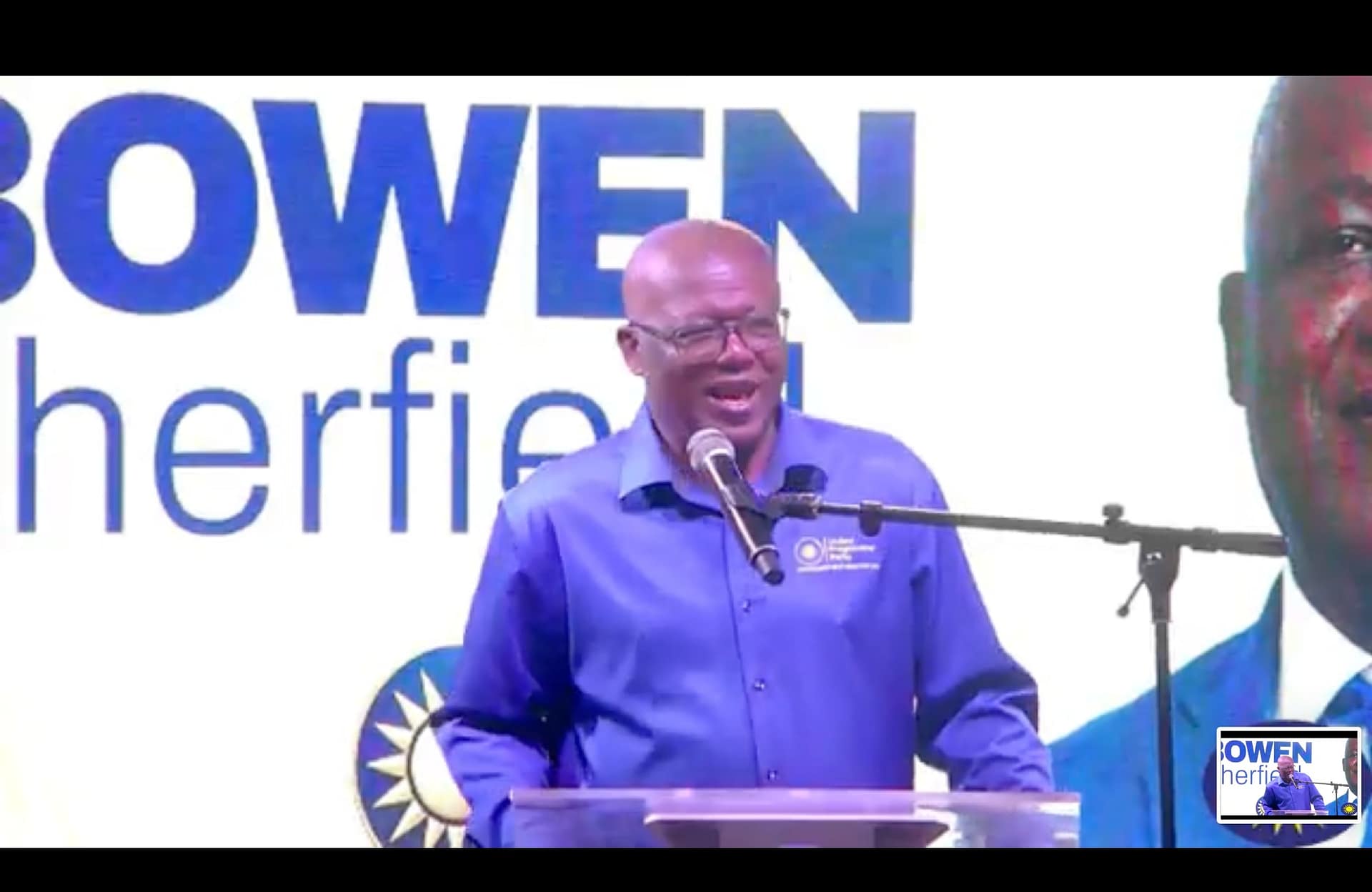
As the April 30 general election in Antigua and Barbuda draws near, the main opposition United Progressive Party (UPP) has centered its campaign narrative around claims of strained international relations under the incumbent Gaston Browne administration. At a campaign rally for party supporters, Sherfield Bowen, UPP’s deputy political leader, made a bold assertion: that both the United States and the European Union are actively seeking a new, more cooperative governing body in the country, framing a leadership turnover as non-negotiable for Antigua and Barbuda’s standing on the global stage.
Bowen’s core argument links a range of growing international headwinds directly to the policies of Browne’s ruling Labour Party. He told rally attendees that Antigua and Barbuda is already facing international repercussions for the current administration’s decisions, with more severe consequences looming if voters return the incumbent government to power. “The United States and Europe are now looking for a new government that they can work with. That is why a change of government is essential,” Bowen stated in his address to the crowd.
Among the most serious allegations Bowen put forward was that existing U.S. visa sanctions imposed on Antigua and Barbuda citizens are a direct result of the Browne administration’s policy choices. He went further to warn of impending additional restrictions, claiming that the European Union is on track to roll out its own visa sanctions by the end of the current year. Bowen argued that the incumbent government lacks the capability to reverse these damaging measures, asserting that the Gaston Browne regime is unable to take the necessary steps to remove existing sanctions and prevent new restrictions from being added.
In a strategic shift that prioritizes national and international standing over granular constituency-specific promises, the UPP has positioned the upcoming election as a critical turning point for the country. Bowen framed the poll as Antigua and Barbuda’s only opportunity to alter its current trajectory, arguing that the only solution to mounting international pressure is to remove Gaston Browne and the Labour Party from office, replacing them with a UPP-led government that Bowen says will prioritize the needs of everyday citizens.
Bowen’s comments reinforce the UPP’s broader campaign strategy, which casts the April 30 vote as a referendum on the Browne administration’s overall governance of the country. By tying visa restrictions and the threat of future sanctions directly to government policy, the opposition has sought to reframe foreign policy fallout as a critical domestic political issue. This approach is designed to persuade undecided voters that the country’s global reputation is inextricably linked to its domestic prosperity and future prospects. Closing his remarks, Bowen issued a direct appeal to supporters, urging them to back the UPP at the polls to deliver the change he says Antigua and Barbuda urgently needs.