ST. JOHN’S, Antigua — A sharp political clash has erupted over tax policy in Antigua and Barbuda, as sitting Prime Minister and head of the Antigua and Barbuda Labour Party Gaston Browne has leveled serious accusations against the opposition United Progressive Party (UPP). Browne claims the UPP is pushing a disguised tax overhaul that would hand unintended benefits to wealthy industry groups and international tourists by eliminating sales taxes on premium goods, all while framing the plan as broadened cost-of-living relief for everyday residents.
Speaking during a recent segment of the *Browne and Browne Show* on local radio outlet Pointe FM, Browne outlined the steps his administration has already taken to ease financial strain on ordinary citizens. His government has fully removed the Antigua and Barbuda Sales Tax (ABST) from all core essential food items, including fresh produce, to bring down household grocery costs. “We already eliminated all of the taxes… for all essential foods, including foods and vegetables,” Browne confirmed during the interview.
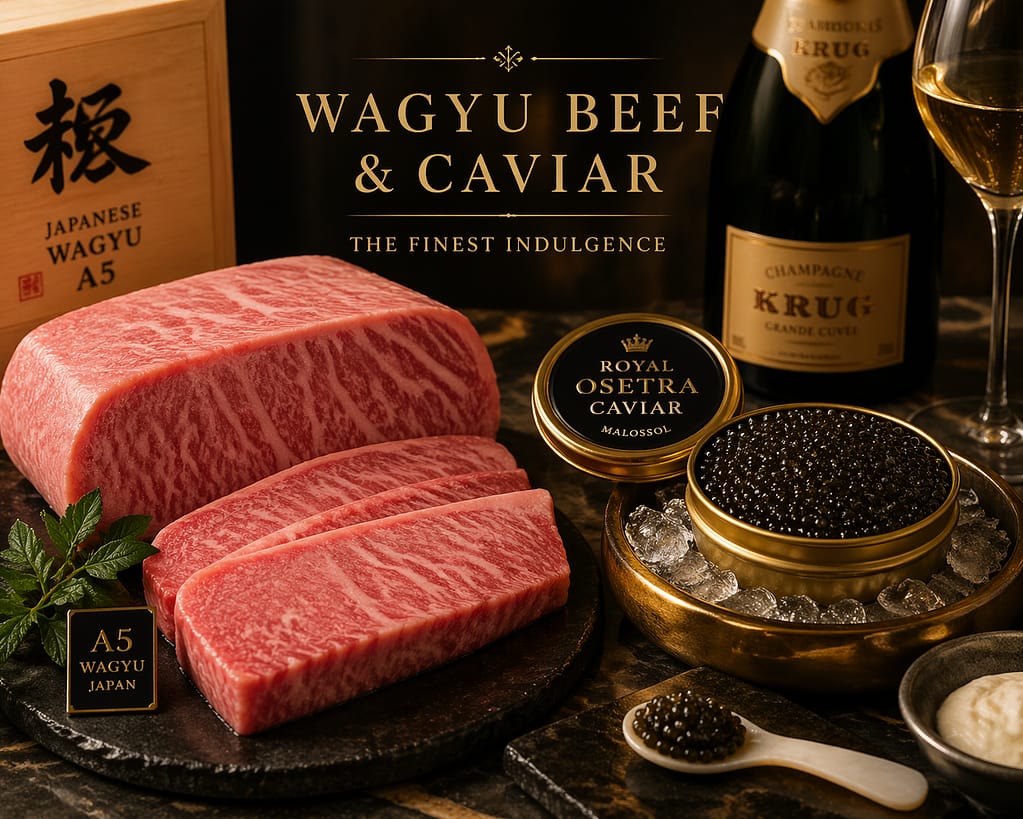
The prime minister argued that the UPP’s plan to expand the list of tax-exempt zero-rated goods stretches far beyond basic necessities, and is intentionally structured to eliminate tax obligations for high-end luxury food products. “They’re trying to use some backdoor mechanism to untax the high-end foods,” Browne stated, pointing to iconic premium items like imported Wagyu beef and caviar as clear examples of the products that would benefit from the policy change.
According to Browne, this proposed tax elimination would not deliver meaningful relief to the general public. Instead, the biggest winners would be high-end hospitality businesses, upscale restaurants and wealthy consumers, many of whom are international visitors visiting the island nation. “When the tourists come here… they want Wagyu and they want caviar, they must pay the taxes,” he emphasized.
Beyond the unequal distribution of benefits, Browne warned that extending tax exemptions to luxury goods would create a significant gap in government revenue that funds critical national development projects across the country. “That would be to the detriment of our revenues to develop the country,” he said.
The prime minister also tied the opposition’s policy position to behind-the-scenes lobbying from powerful private sector groups, including luxury car dealers, prominent hoteliers and upscale restaurant operators. “I know where that’s coming from… the same people approach them,” Browne said, noting that he turned down identical lobbying requests during his time in office.
Browne ultimately dismissed the UPP’s proposal as deeply misguided, leaving the judgment of the plan up to Antigua and Barbuda’s voters ahead of any upcoming electoral contest. “If the people want to buy into that type of foolishness… they can so decide,” he said. As of press time, the United Progressive Party has not issued any public statement responding to Browne’s accusations made during the radio broadcast.