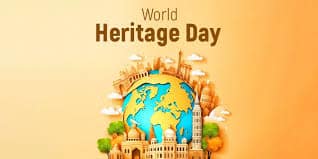
When the word “heritage” is mentioned, many people picture only ancient stone monuments or dusty museum displays — but the United Nations Educational, Scientific and Cultural Organization (UNESCO) offers a far broader, more meaningful framing. As UNESCO defines it, heritage encompasses all cultural, historical, and social legacies passed between generations, stretching from celebrated historic landmarks and museum collections to living traditional practices and modern artistic expressions. More than just a connection to the past, this collective heritage enriches daily life and lays the foundation for inclusive, innovative, and socially resilient communities around the globe.
Two core pillars anchor the concept of heritage: passing existing legacies to future generations, and protecting those legacies from harm long enough to be shared. Today, this protection work has become more critical than ever. Safeguarding the world’s cultural and natural heritage, alongside nurturing dynamic creative cultural sectors, is now recognized as a foundational strategy to address the defining challenges of the 21st century, from accelerating climate change and systemic poverty to widening inequality, the global digital divide, and rising interregional conflicts and humanitarian emergencies.
Each year on April 18, the global community observes World Heritage Day — officially titled the International Day for Monuments and Sites — to honor the cultural legacies passed down through history and reinforce shared responsibility for their preservation for future populations. The annual observance traces its origins back to 1982, when the International Council on Monuments and Sites (ICOMOS) formally established the commemoration on that date.
The 2024 theme for World Heritage Day, “Emergency Response for Living Heritage in Contexts of Conflicts and Disasters,” shines a spotlight on the growing urgency of protecting and managing cultural and natural sites facing existential threats from climate change, armed conflict, and unplanned rapid urbanization.
Too often, heritage sites are dismissed as nothing more than revenue-generating tourist attractions. But this narrow perspective must evolve: heritage is a living, evolving force that shapes collective identity and holds shared collective memory for communities across the globe. This year’s theme acts as a timely wake-up call, reminding the world that coordinated global action is urgently needed to protect sites already grappling with damage from war, climate disasters, and other man-made and natural calamities.
To build a sustainable future for heritage protection, young people must be at the center of efforts, advocates argue. Young generations must be educated on how heritage shapes their own personal and cultural identity, and expanded access to educational visits to heritage sites is a key step forward. As repositories of collective knowledge and centuries of history, heritage sites deserve a permanent place in national education curricula across every region, to ensure the next generation inherits both an awareness and appreciation of these legacy sites.
The cost of losing unprotected heritage is incalculable. Any destruction or irreversible damage to a heritage site is a loss for all humanity, not just the community or nation that hosts it. For local populations, heritage sites often act as the social glue that fosters collective belonging and intergenerational community bonding. They are also spaces where current generations can connect — or reconnect — with centuries of architectural innovation and master craftsmanship.
One of the most widely recognized frameworks for global heritage protection is the UNESCO World Heritage Designation. A UNESCO World Heritage Site can be any location — from a single building or entire historic city to a protected natural landscape — deemed to hold Outstanding Universal Value (OUV) for all of humanity. To earn designation, sites must meet at least one of 10 specific cultural or natural criteria, prove their historical authenticity and structural integrity, and present a robust long-term management plan to guarantee sustained protection.
The Caribbean region is home to a diverse collection of acclaimed UNESCO World Heritage Sites, spanning cultural and natural landmarks across multiple island nations. Key sites include Port Royal and the Blue and John Crow Mountains in Jamaica, Morne Trois Pitons National Park in Dominica, Historic Bridgetown and its Garrison in Barbados, the Pitons Management Area in St. Lucia, Antigua’s historic Naval Dockyard, the Historic Area of Willemstad in Curacao, and Alejandro de Humboldt National Park in Cuba. What makes the World Heritage system unique is its universal mission: all designated sites belong to every person on Earth, regardless of which country or territory they are located in.
On this World Heritage Day, the global call goes out for nations, communities, and individuals to unite in respect for shared heritage, and to lift up the rich tapestry of global cultural diversity that these sites represent. Preserving monuments, living traditions, and archaeological sites for future generations requires sustained, collective effort from all sectors of society.
As Nelson Mandela once noted: “Our rich and varied cultural heritage has a profound power to help build our nation.” This commentary was contributed by Wayne Campbell, an educator and social commentator focused on development policies and their impacts on culture and gender equity.