A senior opposition lawmaker in Barbados is sounding the alarm over a multi-million-dollar Inter-American Development Bank (IDB) loan earmarked for national water infrastructure upgrades, calling on the ruling administration to embrace full accountability to the public over how the debt will be managed and repaid.
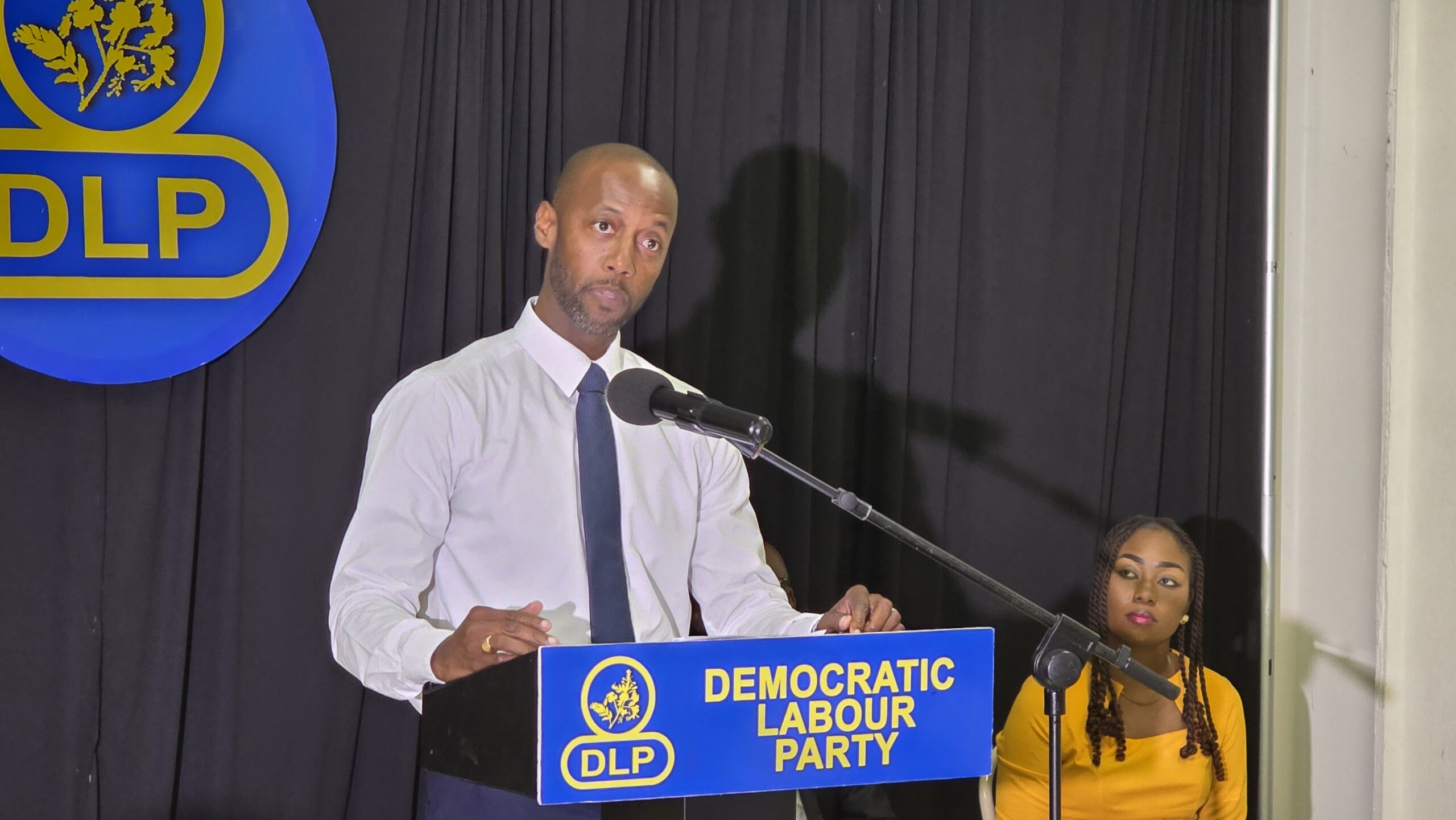
Ryan Walters, finance and economic affairs shadow senator for the Democratic Labour Party (DLP), is pushing for what he terms “radical transparency” surrounding the $160m regional facility, an initial $80 million tranche of which has already been drawn down for key projects focused on rehabilitating decades-old leaking water mains and modernizing the state-run Barbados Water Authority (BWA).
While Walters openly acknowledges the urgent need for infrastructure overhauls amid a national water security crisis, with non-revenue water loss reaching as high as 50 percent across the island’s distribution network, he warns that framing the borrowing as a simple “investment” risks masking the long-term repayment burden that will fall on Barbadian taxpayers.
“The scale of what is being proposed here cannot be ignored but neither can the responsibility that comes with it,” Walters stated in his remarks. He emphasized: “There is no question that the rehabilitation of our water infrastructure is both necessary and urgent…. However, while the importance of the project is clear, the financing behind it deserves equal attention and transparency.”
Structured with a 25-year repayment term and a 5.5-year grace period on principal payments, the IDB loan has left Walters questioning how the government will meet its financial obligations once the grace period ends. He has raised two pressing scenarios that could impact ordinary households: steep increases to residential water rates, or new broad-based taxation measures to cover the annual repayment costs.
“These are not small sums, and while they are framed as ‘investments’, they remain loans that must be repaid by the people of Barbados,” he cautioned. “The question then becomes: how will these repayments be financed given the amount of debt the country is and will be servicing at that time?”
A core pillar of Walters’ critique centers on the government’s longstanding lack of public accountability for prior water sector funding. He is demanding a full public status update on all completed and ongoing past infrastructure projects, including a breakdown of how previous disbursements were spent, the exact number of water mains replaced across the island, and a clear list of communities that received tangible benefits. He also raised the pressing question of whether this new round of borrowing is necessary to fix gaps and failures that should have been resolved under earlier, already funded programs.
Walters stressed that without a full, auditable accounting of how past public funds were deployed, public trust in this new borrowing will remain fragile. He called on the government to publish a clear, incremental public timeline of project milestones, so Barbadians can track improvements in real time rather than waiting years to see tangible results from the new debt.
Beyond fiscal transparency, Walters is also pressing the administration to guarantee that local Barbadian construction and engineering firms get a meaningful share of the project contracts. He questioned whether the government plans to award most of the high-value work to international contractors, rather than prioritizing domestic professionals and businesses that could reinvest earnings back into the local economy.
“This project presents an opportunity not only to fix infrastructure but to build local capacity and create economic participation for Barbadian professionals and businesses,” he said. “That opportunity must not be missed.”
Drawing a parallel to the government’s own messaging around water accessibility, Walters argued that if the administration claims to support transparent water governance, the implementation and oversight of this loan must match that standard. He confirmed that the DLP supports the critical goal of upgrading Barbados’ water infrastructure, but insisted that good governance requires clear public communication to accompany large-scale public borrowing.