HAVANA – A landmark theoretical workshop convened to mark the 65th anniversary of Cuba’s Bay of Pigs victory over foreign invasion wrapped up Wednesday at the Fidel Castro Ruz Center, bringing together nearly 200 participants from 19 national institutions and veteran combatants of the 1961 campaign to reaffirm the battle’s enduring strategic relevance for Cuba’s modern fight for sovereignty.
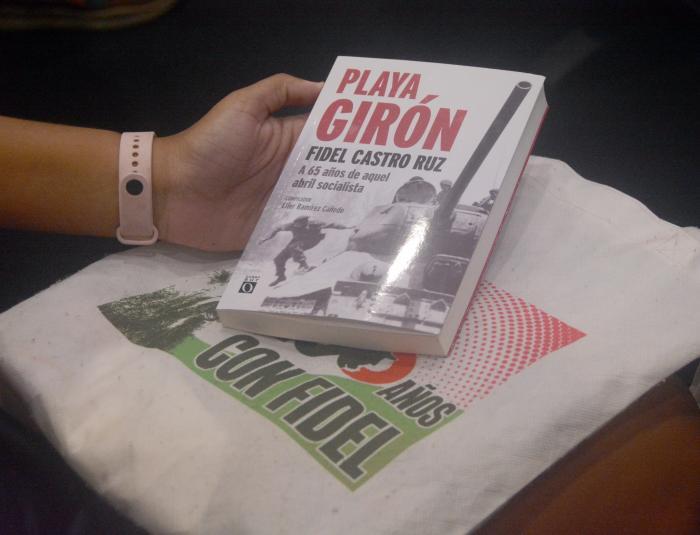
Organized by the Ideological Department of the Central Committee of the Communist Party of Cuba, the Institute of Cuban History, the Office of Historical Affairs, and the Fidel Castro Ruz Center, the three-day gathering titled “Bay of Pigs, 65 Years after the great victory against imperialism” delivered substantive outcomes, pairing 19 academic presentations with supplementary cultural programming including book launches and documentary screenings.
Addressing attendees in closing proceedings, Rolando Yero Travieso, head of the Social Sector Affairs Department of the Party’s Central Committee, stressed that revisiting the Bay of Pigs legacy is far more than a retrospective historical exercise. “This is a strategic necessity for our nation today,” Yero explained. “The Bay of Pigs stands as the first major military defeat of U.S.-led imperialism in the Americas, and the lessons of resistance forged over 72 hours of combat continue to light our path as we defend Cuba’s sovereignty, a cause our people have upheld and that has earned admiration from communities across the globe.”
Noting that the workshop falls on the centennial of revolutionary leader Fidel Castro’s birth, Yero added that examining the 1961 victory is also a way to affirm the lasting value of Castro’s approach to governance and resistance: his unshakable trust in the Cuban people, unwavering ideological clarity, and uncompromising revolutionary commitment. “Today, 65 years after that socialist April, in a world still fractured by imperialist aggression and ongoing fights for national self-determination, Fidel’s words about the Bay of Pigs remain shockingly relevant,” he said.
René González Barrios, director of the Fidel Castro Ruz Center, highlighted that the personal testimonies shared by Bay of Pigs veterans at the workshop served as a powerful inspiration for young Cuban attendees. The 19 presentations delivered over the course of the event covered core topics including the lead-up to the 1961 invasion, pre-invasion hostile actions by the U.S. military against Cuba, the stark imbalance between the invading force’s heavily weaponized capabilities and Cuba’s militia-led defensive forces, and the enduring validity of the military strategy crafted and led by Fidel Castro during the conflict.
González Barrios emphasized that the 1961 victory remains a defining source of national pride for Cubans, and a global reference point for anti-imperialist movements across the Americas and the world. He noted that the workshop did not seek to wrap up all existing lines of inquiry into the battle, and announced that the presentations delivered at the event will be compiled into a forthcoming published volume to expand access to their insights.
The closing ceremony was attended by senior officials and leaders across Cuban political and state institutions, including Yuniasky Crespo Baquero, head of the Ideological Department of the Communist Party Central Committee, representatives of the Revolutionary Armed Forces, the Ministry of the Interior, the Union of Young Communists, and diplomatic representatives accredited to Havana.