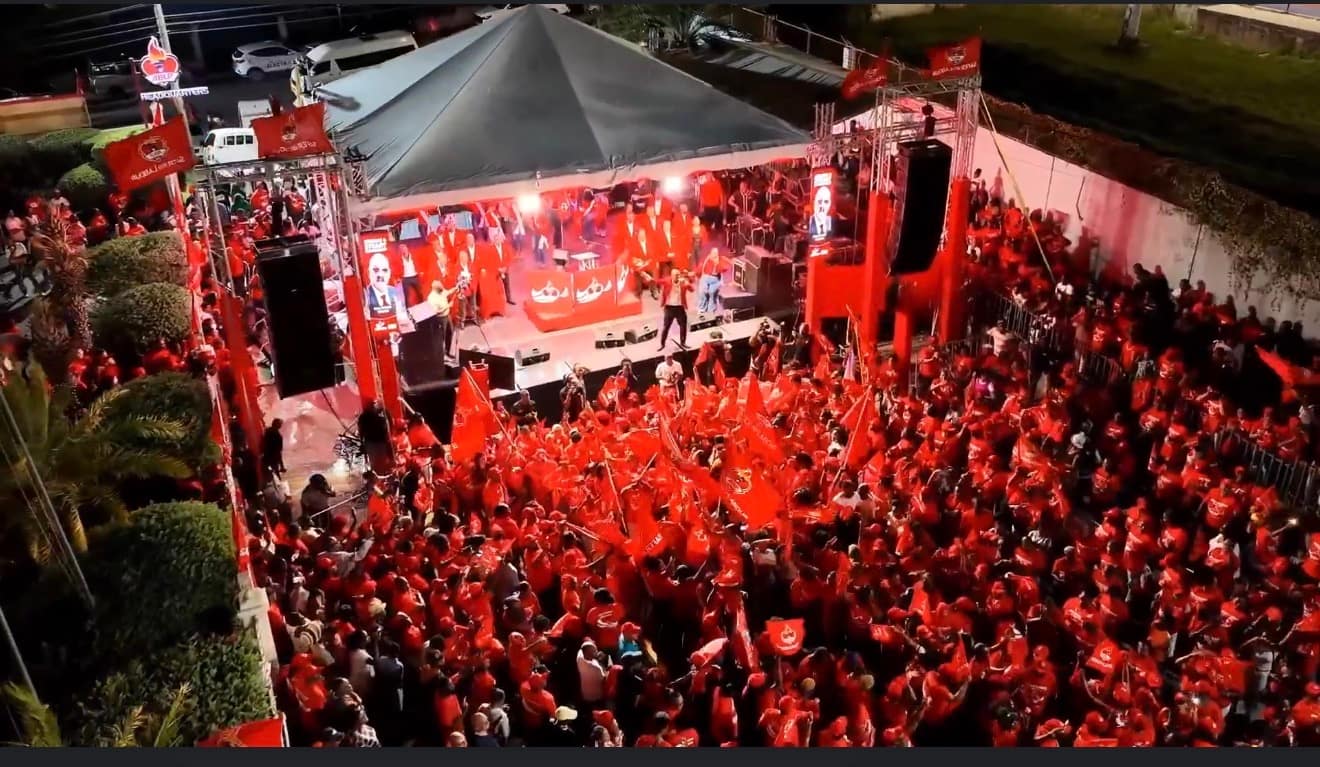
Across Antigua and Barbuda, every national election cycle unfolds with a familiar, vibrant opening act. City streets and rural townships thrumming with upbeat music, decked in the bright branded colors of competing parties, as throngs of passionate supporters turn out to rally behind their chosen candidates. Of all the political groups active on the campaign trail, the grassroots teams of the Antigua and Barbuda Labour Party (ABLP) have long been recognized for their unmatched grit and relentless commitment to the party’s cause.
These rank-and-file campaigners — ordinary men and women from communities across the twin islands — pour far more than their time into the electoral fight. Many drain their personal energy reserves and dip into their own pockets to keep campaign operations running. Day after day, night after night, they canvass neighborhood by neighborhood, coordinate large public rallies and small community meetings, turn out infrequent voters to the polls, and advocate relentlessly for their party’s candidates. Their work is the invisible engine that delivers electoral victory, without which no campaign could cross the finish line.
Yet once the last ballot is counted and confetti from victory celebrations settles, a long-running, troubling pattern comes into sharp focus. Time and again, the very grassroots workers who carried the campaign on their shoulders are pushed to the margins and forgotten once their work is done.
This repeated neglect has spawned deep frustration, widespread disappointment, and a growing sense of unfairness among rank-and-file campaigners. The situation also forces a critical reckoning with core questions at the heart of local electoral politics: Who reaps the real rewards of a political victory? Is grassroots loyalty and hard work actually valued by party leadership, or does public recognition and opportunity only extend to a small, privileged circle of party insiders?
Campaign workers are not demanding unearned handouts or special favors. What they do seek is basic fairness, public respect, and formal acknowledgement of the contributions they make. They are calling for a political system that rewards on-the-ground effort, recognizes consistent dedication, and does not cast aside the people who do the hard work once an election ends.
Most importantly, the current moment demands reflection from both supporters and party leaders alike. For rank-and-file ABLP supporters, the time has come to recognize their own inherent value to the political process. Political engagement should never require self-neglect or unreciprocated blind loyalty. Instead, it should be built on a foundation of mutual respect, where both the party and its grassroots base lift each other up.
For elected party leaders, the message is equally clear: no political victory is achieved alone. Every electoral win is made possible by hundreds of committed individuals working behind the scenes. Choosing to ignore their contributions does not just erode team morale — it weakens the entire foundation of future campaign efforts and long-term party trust.
Meaningful change must begin with institutional accountability. The era of treating grassroots workers as disposable tools to be used during election season and discarded immediately afterward has to end. The true strength of any political movement lies in its people, and when those people feel undervalued and unappreciated, the entire political system suffers damage.
This conversation extends far beyond the outcome of a single election. It is about building a lasting political culture rooted in respect, fairness, and genuine appreciation for all contributions — no matter how small or behind-the-scenes — where every person who helps a party succeed gets the recognition they deserve.