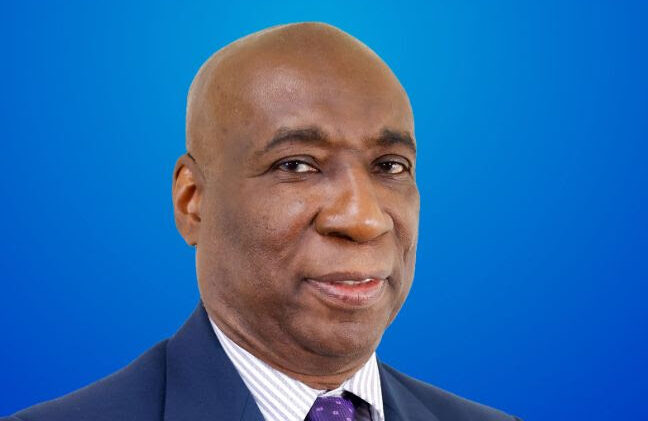
As global geopolitical instability continues to escalate, policymakers across the Caribbean region have received an urgent call to coordinate bold, collective action to counter spillovers from ongoing conflict in the Middle East. The appeal was delivered by Dr. Wendell Samuel, Acting Assistant Secretary-General of the Caribbean Community (CARICOM), during a virtual policy forum hosted on April 10, co-organized by the Food and Agriculture Organization (FAO) of the United Nations.
During the discussion, which centered on the far-reaching impacts of Middle East tensions on nations across Latin America and the Caribbean, Dr. Samuel emphasized that forward-looking, coordinated strategy, rather than fragmented national action, is the only path to effectively counter emerging global shocks. “This moment calls for strategic thinking and regional solidarity,” he told attendees. “The decisions we take now will determine not only how CARICOM navigates this crisis, but how prepared we are for future global disruptions. Resilience, cooperation, and shared responsibility must guide our response.”
The forum centered heavily on the region’s unique vulnerabilities to external shocks, particularly in three critical areas: food security, domestic agricultural systems, and overall macroeconomic stability. Though the Caribbean sits thousands of miles from the Middle East, Dr. Samuel noted that the region’s highly open, trade-reliant economies leave it deeply exposed to disruptions in global energy, food, and supply chain networks. He added that long-standing structural weaknesses have amplified this risk: the region remains heavily dependent on imports for core necessities including food, fuel, agricultural fertilizers, and commercial shipping services, leaving it acutely sensitive to price swings and supply interruptions driven by geopolitical tension.
Dr. Samuel, who also leads the Economic Integration, Innovation and Development Directorate at the CARICOM Secretariat, confirmed that regional officials have already developed a preliminary draft response framework to address these risks. Outlined as a comprehensive policy matrix, the draft framework maps direct links between external global disruptions and targeted national and regional policy actions. It lays out a clear sequence and priority for interventions, balancing near-term stabilization efforts to address immediate price and supply pressures with longer-term structural reforms designed to boost regional resilience and reduce systemic risk over time. A core tenet of the framework is its requirement for coordinated action across all CARICOM member states.
The draft framework will next be submitted for review to CARICOM’s Ministers of Agriculture, who will deliberate on its final adoption and outline a roadmap for implementation. In laying out core priorities for the region’s response, Dr. Samuel called for deeper cross-border collaboration on three foundational fronts: coordinated public and private procurement, integrated regional transportation networks, and better collective management of strategic commodity reserves to buffer against supply shocks.
He also underscored the urgent need for accelerated investment in renewable energy infrastructure, alongside intentional investment to restructure and strengthen regional food systems to reduce import dependence. Strengthened cross-border policy coordination, he argued, will allow the region to mount faster, more effective collective responses when external pressures emerge. Finally, he flagged targeted investment to strengthen regional institutions focused on food security monitoring and macroeconomic tracking as a critical, underaddressed need for the region.
Dr. Samuel stressed that the economic risks stemming from the current conflict are not abstract hypothetical concerns. Rising price inflation, skyrocketing food costs, and growing pressure on strained government budgets are already emerging as pressing challenges across the region, he said, requiring immediate policy intervention. Only by clearly understanding the specific channels through which global shocks impact Caribbean economies, he concluded, can the region mount practical, coordinated responses to reduce harm and build long-term stability.