Barbados’ digital creative scene has grown dramatically over the past decade, but a veteran local filmmaker who got his start shooting content on an early Nokia mobile phone is sounding the alarm: most of the island nation’s gifted content creators are still working without pay, and meaningful change will require action from advertisers as much as the government.
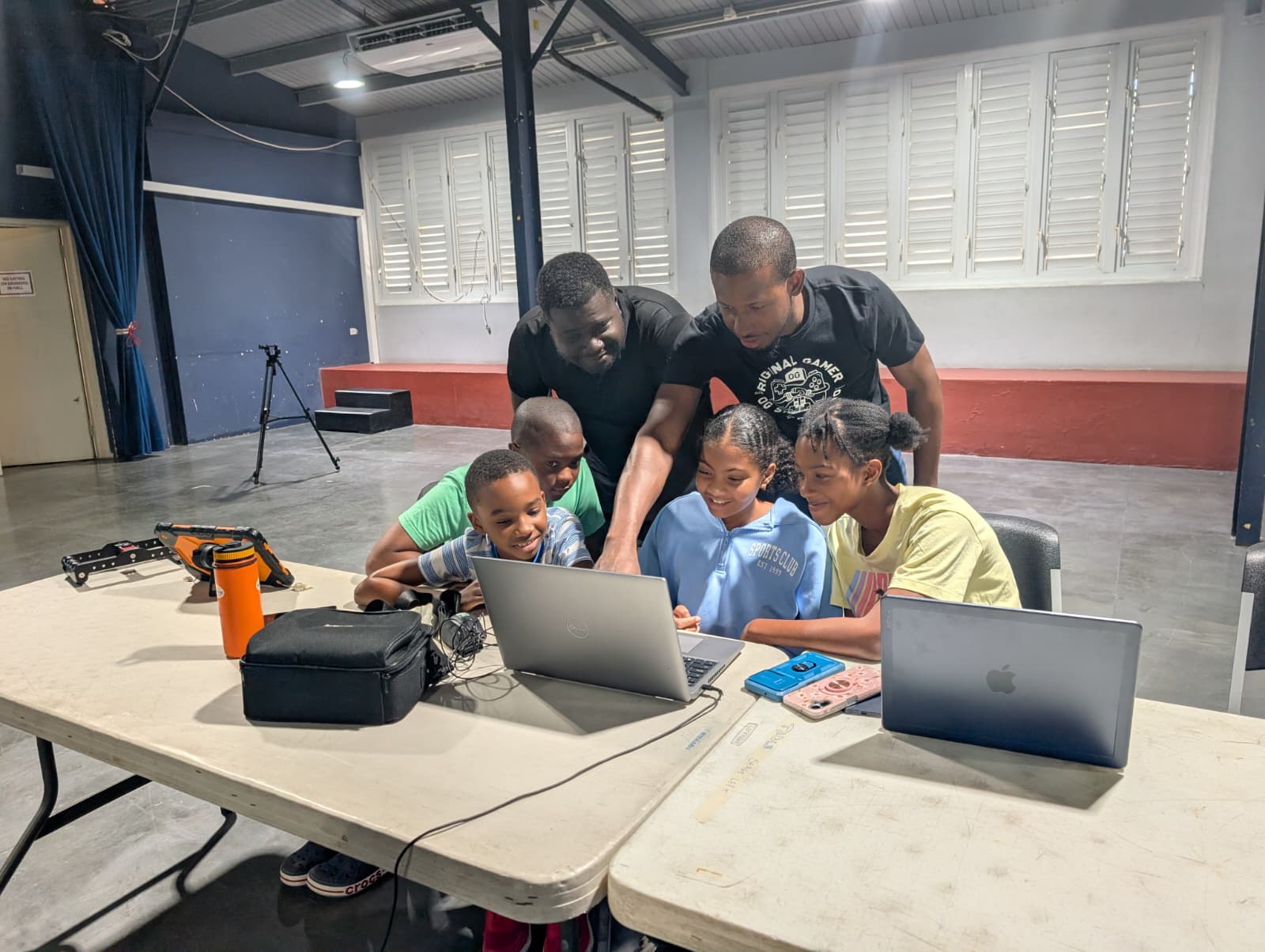
Stockton Miller, a successful film creator whose recent credits include the 2022 action-adventure feature *The Barbados Project* (now streaming on Amazon Prime) and 2025 horror film *The Silence After* (released on the U.S.-based Plex platform earlier this year), recently helped lead an Easter filmmaking camp at Bridgetown’s Queen’s Park Steel Shed. The initiative, organized in partnership with the National Cultural Foundation, was designed to nurture new talent by focusing entirely on mobile content creation — a framework Miller calls long overdue.
Speaking to local outlet Barbados TODAY, Miller explained he jumped at the chance to lead the camp when National Cultural Foundation CEO Carol Roberts first proposed the idea. As someone who launched his career with nothing more than a basic cell phone camera, Miller says the camp’s focus on accessible mobile filmmaking is uniquely suited to new creators in Barbados. “We all have to start somewhere,” he noted, pointing out that he is far from the only Barbadian filmmaker who got his start creating content on a mobile device. “Having children start with a cell phone is a good start. This is a great initiative, not only for the participating students, but for content creation across the entire island.”
Looking back on the industry’s evolution since he entered the field more than 10 years ago, Miller emphasized how far Barbados’ creative ecosystem has come. When he started creating content around 2012 and 2013, there were very few full-time or hobbyist creators active on the island. Today, the space is unrecognizable: creators are producing everything from small business advertisements and food reviews to travel vlogs, original music videos, and even feature-length films, all from their mobile devices.
Miller says this boom in output proves the island has an abundance of untapped creative talent, and that communities need to rethink outdated ideas about traditional career paths. “Not everybody is going to be a doctor or a lawyer,” he argued, adding that he is consistently impressed by the quality of content shared by local creators on major platforms like Instagram, TikTok, and YouTube. “The level of creativity is really high in Barbados, and I’m always excited to see what fellow Bajans are producing.”
Despite this rapid growth, however, Miller says a critical barrier remains: the vast majority of local creators are unable to turn their online followings and creative work into a sustainable, full-time income. Most are forced to balance content creation with second full- or part-time jobs, because the ecosystem does not yet support consistent monetization for Barbadian creators. While Miller now runs his own production company, Board House Productions, full-time, he says many of his peers do not have that luxury.
“I’m hoping to see monetization on these social media platforms become a regular thing here in Barbados,” he said. Miller stressed that fixing this gap cannot be shouldered by the government alone. Instead, he says the key shift has to come from local advertisers, who must begin investing in and paying local creators for sponsored content. When that shift happens, he predicts it will unlock a new wave of entrepreneurship across the island, building a more sustainable and inclusive creative economy for all Barbadian creators.
Miller’s call for collaboration comes as emerging creatives across small island nations face similar challenges of turning growing digital popularity into stable income, making his push for advertiser engagement a test case for other Caribbean creative ecosystems.