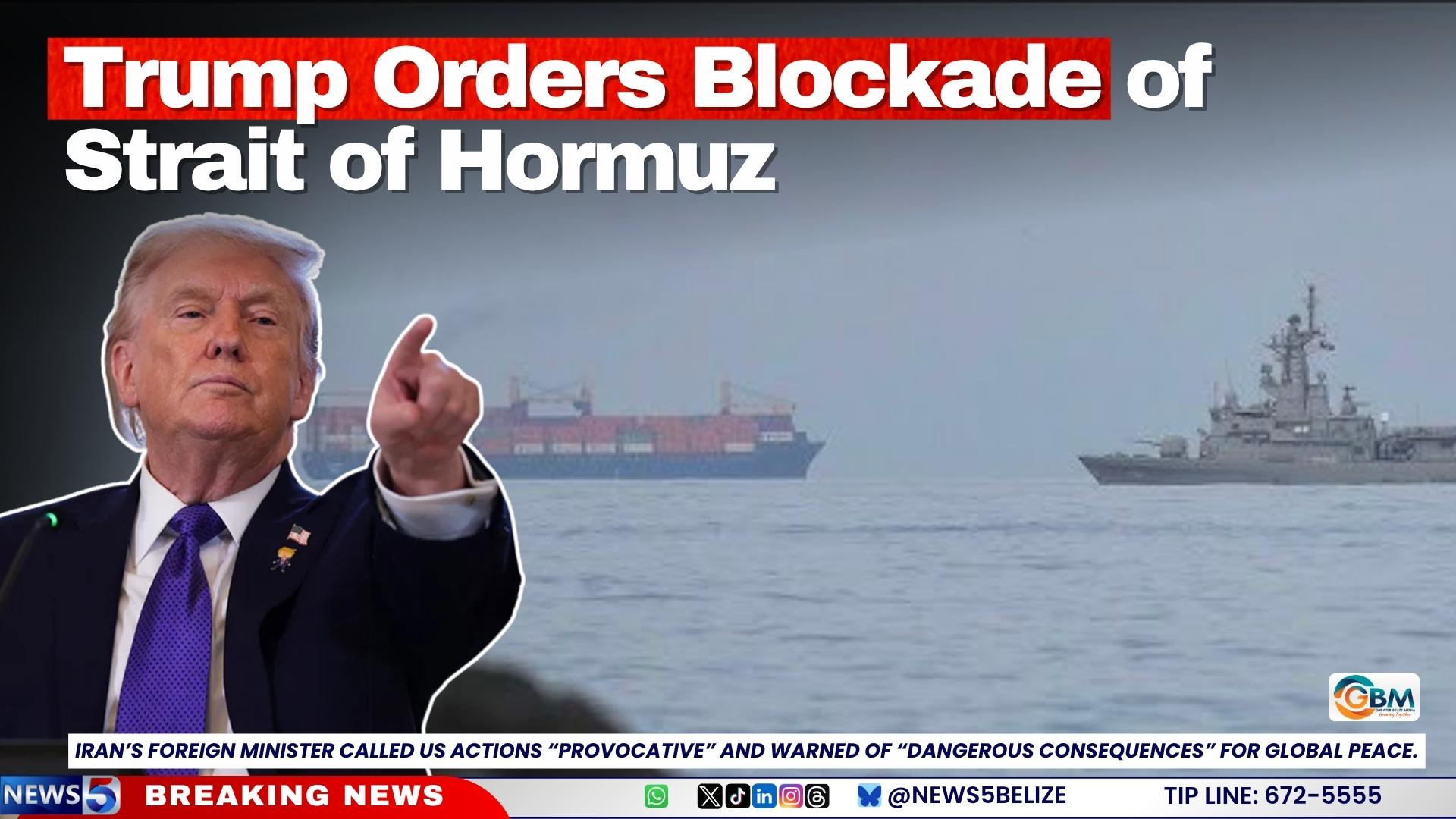
A major escalation in US-Iran tensions has erupted in the Strait of Hormuz, after a new round of high-stakes negotiations between the two nations broke down in early April 2026. US President Donald Trump has ordered a full naval blockade barring all Iranian-flagged ships from passing through the critical global waterway, bringing the long-running standoff between Washington and Tehran to a new, dangerous boiling point.
The collapse of weekend peace talks hosted in Pakistan paved the way for the immediate implementation of the blockade, which launched at the start of Monday local time. Speaking publicly to Fox News, US Vice President JD Vance framed the American action as a direct response to Iranian actions that the Biden administration previously labeled as a threat to global maritime commerce. Vance accused Iran of engaging in what he called “economic terrorism” by disrupting shipping through the strait, and justified the reciprocal US blockade with a straightforward warning: “If the Iranians are going to try to engage in economic terrorism, we’re going to abide by the simple principle that no Iranian ships are getting out, either.”
President Trump amplified the aggressive tone of the US move in his own public remarks, issuing a stark military warning: any Iranian fast-attack craft that approaches the US blockade line will be sunk by American forces. According to reporting from CNN, a senior anonymous US official has confirmed that roughly 15 American naval vessels, led by a full-sized nuclear-powered aircraft carrier strike group, are currently deployed in the Hormuz region to enforce the new restrictions.
Tehran has responded swiftly and furiously to the US action, with senior Iranian officials condemning the blockade as an unauthorized and destabilizing act of aggression. Iran’s Foreign Minister Abbas Araghchi labeled the US move openly provocative, warning that it carries severe “dangerous consequences” for broader global peace and energy security. In a flurry of urgent diplomatic calls with his counterparts from Russia, Saudi Arabia, and Qatar, Araghchi emphasized that the unilateral blockade risks upending security across the entire Middle East. Following the foreign ministry’s statement, Iranian military command confirmed that all of the country’s armed forces have been placed on the highest possible level of combat alert in response to the US deployment.
Despite the sharp escalation and failed first round of talks, US officials have confirmed that diplomatic channels between the two nations remain open. Senior administration sources told CNN that plans for a second in-person negotiation round are already under preliminary discussion, leaving a narrow path for de-escalation even as military forces stand off in one of the world’s most strategically vital shipping lanes.