As extreme weather events grow more frequent across the globe, homeowners and vehicle owners face increasing urgency to understand the fine print of their insurance policies to safeguard their valuable assets. Leading insurance provider Mapfre has recently broken down common misconceptions around flood and water damage coverage, highlighting critical gaps that many policyholders only discover after disaster strikes.
For residential and commercial multi-risk property policies, Mapfre’s Technical Director of General and Property Insurance Yesenia Vásquez confirmed that flood protection is included as a standard feature in most contracts. However, the company warns of a common cost-cutting choice that leaves many property owners unprotected: customers can opt to voluntarily remove flood coverage from their policy to reduce their annual premium. While this choice lowers immediate costs, Vásquez emphasized that it can lead to devastating financial losses when extreme flooding occurs.
Mapfre also draws a clear technical distinction between flooding and other forms of water damage that are not covered by standard flood policies. For insurance purposes, flooding is officially defined as water originating outside a property that inundates and penetrates the building, damaging both the structural core (including walls and flooring) and personal or commercial contents such as furniture and equipment. In contrast, Vásquez noted that water damage resulting from internal issues like clogged pipe leaks, failing roof seals, or general poor maintenance does not qualify as flooding, and these claims will be denied under standard flood coverage. These types of damage are considered the responsibility of the property owner, who is expected to complete routine upkeep to prevent avoidable failures.
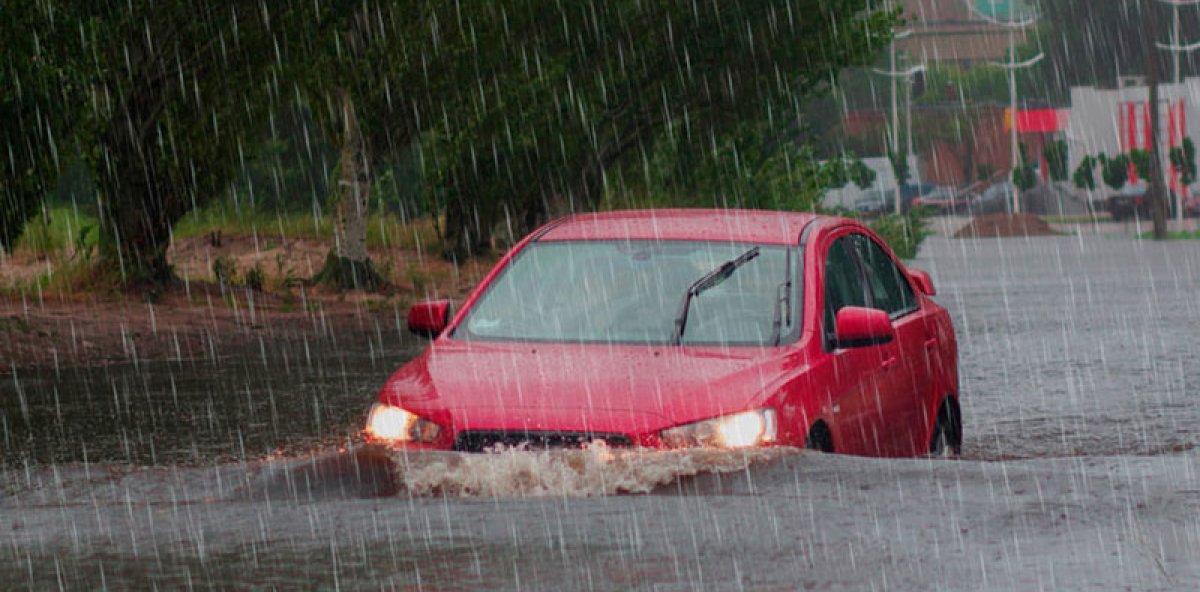
When it comes to personal and commercial vehicles, the rules around water damage coverage differ significantly from property policies. Francisco Pérez Cuevas, Mapfre’s Technical Director of Auto Insurance, explained that water and flood damage is never included as an automatic feature of basic auto insurance policies. Instead, drivers must add this coverage as a separate add-on to their existing contract to be protected.
Pérez Cuevas also pushed back against the widespread marketing term “full coverage insurance”, noting that this phrase is more of a promotional tool than a technically accurate description of a policy. “Many consumers assume that a ‘full coverage’ policy protects them against every possible risk, but that simply is not the case,” he explained. “It is essential that every policy holder review their specific coverage line-by-line, and explicitly ask their insurance provider whether their contract includes water and flood damage for their vehicle.”
To help property and vehicle owners avoid costly surprises when filing a claim, Mapfre experts have outlined three core checks every insured person should complete before disaster strikes:
First, always distinguish between flooding and routine leaks. Insurance is designed to cover extraordinary, external natural events, not damage that results from a property owner’s failure to complete routine maintenance on internal systems like pipes and roofs.
Second, verify that both the physical structure of your property and all personal or commercial contents inside are explicitly included in your flood coverage. Flooding can damage everything from a building’s foundation to household appliances, and gaps in coverage can leave major costs uncovered.
Third, never assume coverage based on the marketing name of your policy. Always ask your insurance advisor to provide a full written breakdown of all excluded risks, so there is no confusion when you need to file a claim.
At its core, effective asset protection against rising extreme weather relies on more than just paying insurance premiums. It requires a clear understanding of exactly what your policy covers, and where exclusions apply. The difference between recovering your property after a flood and suffering a total financial loss often comes down to reviewing the details of your insurance contract before a disaster occurs.