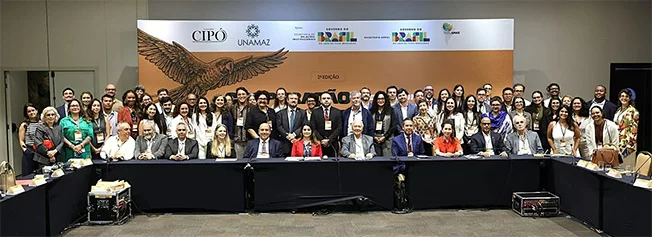
On April 9, a critical regional consultation focused on Amazon rainforest protection brought together a diverse array of stakeholders in Brazil’s capital city of Brasília, where Suriname emerged as a leading voice demanding systemic reform to global climate finance frameworks that recognizes the contributions of nations preserving extensive, intact forest ecosystems.
Organized to advance implementation of prior regional commitments to Amazon conservation, the gathering convened representatives from member states of the Amazon Cooperation Treaty Organization (ACTO), ACTO’s administrative secretariat, Brazilian federal authorities, civil society groups, Indigenous communities, and academic research institutions. Discussion centered on strengthening cross-border collaboration, updating scientific data infrastructure, and addressing longstanding inequities in global climate action support.
Speaking on behalf of the Surinamese government, Ambassador Ike Antonius drew attention to a gaping oversight in current international climate funding structures: the failure to adequately compensate High Forest, Low Deforestation (HFLD) nations. These are countries that maintain vast tracts of intact forest cover with minimal deforestation rates, delivering substantial global public benefits by sequestering carbon and slowing the progression of anthropogenic climate change. Yet they have historically been locked out of the majority of climate finance allocated to forest protection, which is often directed only to nations tackling high existing deforestation rates.
Suriname, which falls squarely into the HFLD category, has repeatedly raised this demand across global climate policy forums. The country’s position reflects a longstanding government push to overhaul the global financial architecture underpinning international climate policy, to ensure nations that have already prioritized forest conservation receive tangible recognition and support for their ongoing efforts.
Beyond the debate over climate finance, the consultation reinforced the shared commitment of Amazon basin nations to deepening cross-border collaboration. Participants emphasized that coordinated action on knowledge sharing, aligned policy development, and improved access to up-to-date scientific data is essential to scaling up effective conservation across the region. Stakeholders from Indigenous groups and civil society also contributed perspectives on integrating traditional knowledge and community-led stewardship into regional conservation strategies, underscoring the multi-sectoral approach needed to protect the world’s largest tropical rainforest.